

Direct answer: Yes, vegan protein can work well for athletes when total protein, calories and key nutrients are covered. Research on plant-based athletes shows performance and muscle gains similar to those of meat-eaters when they plan their diets well.
Protein is only one part of the picture. A vegan athlete also has to watch iron, vitamin B12, creatine, omega-3 fats and total energy, and this guide covers each in turn.
I am Chef Ashutosh Awasthi, founder of Sheer MADness, professional chef, marathon runner and author of Great Health Comes from Exercise & Nutrition. I have run marathons on a plant-rich diet, and I know how much planning it takes. This post is a checklist for athletes, from weekend runners to competitive players. It is part of my complete guide, Plant Protein, Protein Everything you should be aware of.
Our post on protein for endurance and strength training gives detailed gram targets. Our guides on muscle building myths and the future of plant protein cover other angles. I will not repeat them.
Instead, this post asks what an athlete should check beyond protein. It covers performance evidence, nutrients that need attention, gut comfort and testing rules. It also says honestly what a powder can and cannot do.
Reviews of plant-based diets in sport find no clear performance disadvantage when the diet is well planned. A systematic review by Craddock and colleagues in 2016 compared vegetarian and omnivorous athletes. It found no consistent difference in aerobic or strength performance.
The 2021 trial by Hevia-Larraín and colleagues compared vegans with omnivores during resistance training. Both groups ate a similar high amount of protein, and muscle gains were similar. Studies like these suggest that planning matters more than the animal or plant label.
However, much of the research is short, and the groups are small. Elite athletes are rarely studied. So the honest conclusion is that vegan diets can support sport, and individual testing and planning still matter.
The most common mistake among vegan athletes is under-eating. Plant foods are bulky and rich in fibre, so you can feel full before you meet your calorie needs. Low energy intake leads to fatigue, poor recovery and a higher risk of injury.
Athletes in endurance sport, weight-class sport and aesthetic sport face the highest risk. Relative energy deficiency in sport is a recognised condition. It affects hormones, bones and immunity, and it needs a doctor or sports dietitian.
Add energy-dense foods such as nuts, seeds, nut butters, avocado, dried fruit, olive oil and whole grains. Eat more often, and use snacks. A powder can help add protein without much volume, but it cannot fix a calorie deficit.
Iron carries oxygen in the blood. Endurance athletes can lose iron through sweat, foot-strike impact and, in women, menstruation. Plant iron absorbs less well than iron from meat, so vegan athletes can run low.
Eat dal, chana, rajma, tofu, sesame, jaggery and leafy greens daily. Pair them with vitamin C from lemon, amla or fruit. Avoid tea and coffee within an hour of iron-rich meals.
Do not take iron supplements without testing. Too much iron is harmful. A blood test for haemoglobin and ferritin tells you where you stand, and a doctor can advise.
Plants do not provide reliable vitamin B12. Without it, you can develop anaemia and nerve problems. Every vegan athlete needs fortified foods or a supplement, as a doctor advises.
Test your levels once or twice a year. Deficiency can build slowly and silently. Vegetarians who eat dairy or eggs may get some, but they should still test.
Creatine helps the muscles produce quick energy for sprints and heavy lifts. Meat and fish contain creatine, while plants do not. Studies, including work by Burke and colleagues in 2003, found that vegetarians had lower muscle creatine and responded strongly to supplements.
Creatine monohydrate is one of the most studied sports supplements, and it is vegan-friendly when made synthetically. A common dose is 3 to 5 grams daily. Check with a doctor first, especially if you have kidney disease, and buy a tested product.
Flaxseed, chia and walnuts give alpha-linolenic acid, a plant omega-3. The body converts only a small share into EPA and DHA, the forms linked to heart and brain health. Vegan athletes may want an algal oil supplement that provides DHA and EPA.
Ask a doctor or dietitian whether you need it. Do not assume that flaxseed alone covers the need. I use flaxseed in our powders as a food, and I do not claim it replaces DHA.
Vitamin D is low in many Indian adults, even in sunny cities. Low levels affect bones and muscle function. A blood test is worthwhile, and a doctor can advise on supplements.
Calcium matters for bone health, particularly for runners with a risk of stress fractures. Good sources include ragi, sesame, leafy greens, fortified plant milk and tofu set with calcium. Zinc comes from pulses, nuts and seeds, and iodine from iodised salt. Aim for variety.
Fibre and fermentable carbohydrates can cause gas and urgency during long runs or matches. Many athletes cut high-fibre foods and powders in the hours before hard sessions. They save them for easy days or for after exercise.
Practise your fuelling in training, never on race day. Try new powders on a rest day first. Our post on gas and plant protein explains how to adjust, and our guide to side effects lists what to watch.
Athletes who compete under anti-doping rules carry strict liability. If a banned substance appears in a test, the athlete is responsible, even if it came from a supplement. Contamination in supplements is a known risk worldwide.
Choose products that carry a third-party batch certification for banned substances, such as Informed Sport, where available. Keep the batch number and a photo of the label. Ask your team doctor or federation before you use any supplement.
I want to be transparent here. I cannot claim that our powders carry such a certification. Whole-food powders made from almonds, flaxseed and cocoa contain no added drugs, but a competitive athlete should still follow the rules above.
After hard training, eat carbohydrate and protein together. Carbohydrate refills muscle energy stores, and protein supports repair. A practical target is 20 to 30 grams of protein and a good portion of carbohydrate within a couple of hours.
Plant options include a pea or soya shake with banana, dal and rice, tofu with potatoes, or curd with fruit and nuts. A whole-food powder can contribute some protein, but it gives less per scoop than an isolate. For hard sessions, consider pairing it with other protein foods.
Do not forget easy wins on rest days. Gentle walks, stretching and a varied plate of vegetables, pulses and fruit support repair. Moreover, regular meals keep energy steady, so you arrive at the next session ready to train.
Hydration and sleep complete recovery. Weigh yourself before and after long sessions, and replace fluids. Seven to nine hours of sleep protects performance more than any supplement.
Travel is where many vegan athletes struggle. Hotels, canteens and stadium stalls may offer few suitable options. Plan ahead, and pack a few reliable foods.
Good travel foods include roasted chana, nuts, dates, fruit, thepla, poha, instant oats and a small tub of powder. Call the hotel or team manager in advance to ask about vegan meals. Carry a water bottle, and sip all day.
On match day, eat a familiar carbohydrate-rich meal two to three hours before play. Avoid new foods, heavy fibre and big servings of legumes. After the match, refuel quickly, and then eat a proper meal.
The first mistake is focusing on protein and ignoring energy. Many athletes hit their protein target but eat too few calories. Fatigue then follows.
The second mistake is skipping blood tests. Iron, ferritin, vitamin B12, vitamin D and thyroid levels guide your plan. Test them before you spend money on supplements.
A third mistake is copying an influencer’s diet. Your sport, body size, training load and health differ from theirs. Finally, many athletes try new powders or foods just before a competition, and they pay for it.
A sports dietitian can tailor a plan in a few sessions. Ask how many calories and how much protein you need on heavy and light days. Ask which blood tests make sense for your sport and age.
Also ask about supplements, race-day fuelling and weight changes. Bring a three-day food diary. A short, honest review often finds simple fixes.
| Sport | Main Emphasis for a Vegan Athlete | Common Watch-Out |
|---|---|---|
| Distance running or cycling | Energy, carbohydrate, iron | Gut upset and under-eating |
| Gym lifting or strength sport | Total protein, creatine, calories | Low leucine at small servings |
| Cricket, football, hockey | Energy, iron, hydration | Travel and irregular meals |
| Swimming | Energy, recovery, iron | High calorie needs |
| Yoga, climbing, gymnastics | Light meals, protein, calcium | Under-fuelling |
| Combat or weight-class sport | Safe weight plans, protein | Rapid weight cutting |
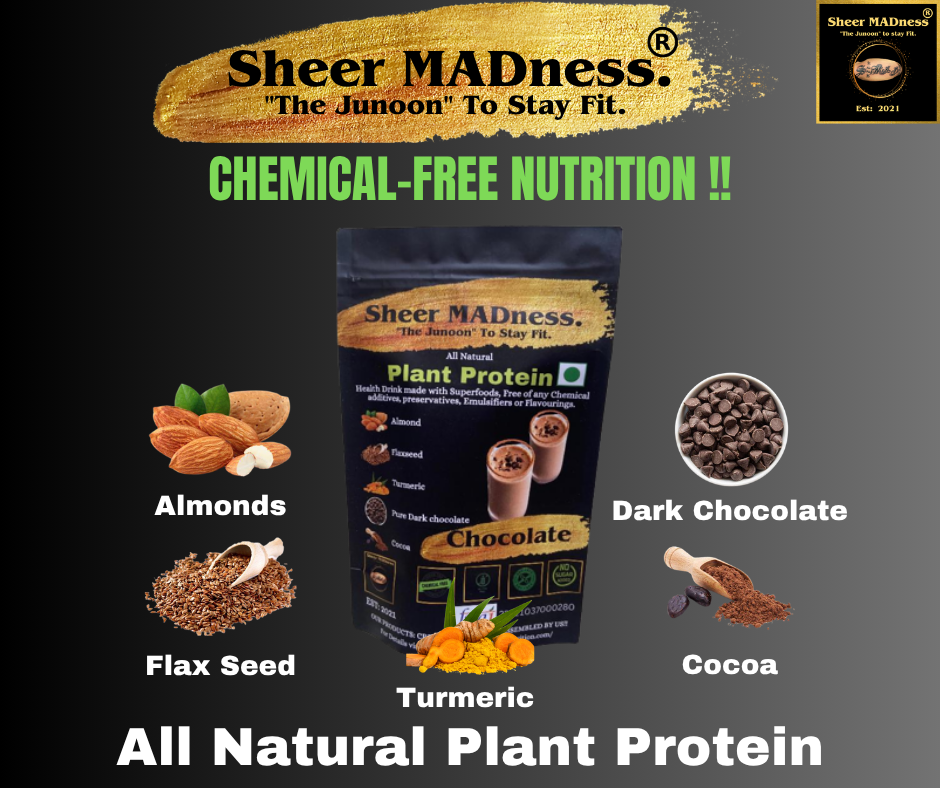
Our Chocolate powder contains roasted almond, roasted flaxseed, cocoa powder, dark chocolate and turmeric. Our Moringa powder contains moringa leaf, almond, flaxseed, turmeric and cardamom. Both are vegan, sieved and vacuum packed.
We use no protein isolate and no anti-caking agent. The dark chocolate uses cocoa solids and a small amount of jaggery, with no refined sugar. Every ingredient has appeared on the front of the pack since 2021.
Here are the limits. Our Moringa blend gives about 7.5 grams of protein per 25 gram serving, which is less than an isolate shake. The powders contain almonds, so they are unsuitable for tree nut allergy. They also carry calories and fibre, so test them in training before a competition.
The old version of this page made three claims. It said almond and flaxseed form a complete protein, that cocoa reduces inflammation in athletes, and that our powder helps you train harder. I removed them, since I cannot support them. I see our powders as a whole-food snack in an athlete’s day, and not as a performance product.
Most healthy athletes tolerate plant protein well. However, athletes with kidney or liver disease, diabetes or heart conditions should ask a doctor first. The same applies to athletes on prescription medicines.
Young athletes should focus on food, sleep and balanced training before any supplement. A paediatrician or sports doctor should guide them. Our post on children and vegan protein explains why.
Check any powder for an FSSAI licence, batch number and allergen declaration. Ask for heavy metal test reports. Our post Is plant protein safe? gives the checklist.
Yes, when total protein, calories and key nutrients are planned well. Research shows similar performance and muscle gains to omnivorous diets.
Yes. Studies comparing vegans with omnivores show similar muscle gains when training and protein intake are matched.
Most need vitamin B12. Many also benefit from vitamin D, creatine and algal omega-3, depending on blood tests and doctor’s advice.
Plant protein can support recovery well when you take enough of it. You may need a slightly larger serving to match the leucine.
Not by itself. Low energy usually comes from eating too little or too little iron, so plan meals and test your levels.
Contamination risk exists for any supplement. Choose third-party tested products and follow your federation’s rules.
Not always. Dal, curd, paneer, eggs, soya chunks and sattu can meet most needs. A powder is a convenient top-up.
So, is vegan protein good for athletes? Yes, as part of a well-planned diet that covers energy, iron, B12 and other key nutrients. Protein is the easy part, and planning the rest is where athletes succeed or struggle.
Honest advice means testing your blood, practising in training, choosing tested products and talking to a sports dietitian. No powder replaces food, sleep or good coaching. See a doctor if you have a health condition.

I built Sheer MADness powders from whole roasted almond and flaxseed, with turmeric and either cocoa with dark chocolate or moringa with cardamom. You can see every ingredient on the front of the pack before you buy. Try Plant Protein Chocolate or Plant Protein Moringa as an everyday snack alongside your training.
a) Everyone is an individual, so what suits me may or may not suit the next person.
b) If a person has a medical condition, a doctor’s advice and prescribed medication come first.
c) While buying any protein powder from the market, read the labels carefully. Watch out for codes and words such as anti-caking agent and INS 551, also known as silicon dioxide. These are laboratory-made additives, and although regulators approve them, it is fair to ask whether you want them in your daily scoop. Hence, read the ingredient list of every product before buying.
If you are interested in buying natural vegan protein powder, health drinks for kids, or our energy bars and protein bars, shop at Sheer MADness.
One can also buy our Products From Flipkart, Jio Mart or ONDC in India.
d) Exercise is the key to fitness. Exercise and nutrition are two sides of the same coin, and nutrition alone will not help you reach your goals without movement.
e) Excess of anything is wrong. Even the best nutrient-filled superfood should be consumed only in recommended quantities.
f) Regarding health, fitness and nutrition, remember that Rome was not built in a day. Your discipline and consistency are the key.
g) It’s not only exercise and protein that build muscles. A healthy gut, rest, your body type, genetics and your lifestyle all matter. Exercise and nutrition are within our control, so focus on these two first.
h) The most important part of fitness is that nothing is better than exercise and a balanced meal.
Disclaimer: Our products are a source of nutrients and are made from whole foods.
We do not claim to cure any medical condition.
The content provided is informational. We do not claim to diagnose or treat a person with any specific medical condition.
One Response