
Direct answer: Plant protein powders are growing fast for two reasons. Research shows they can build muscle as well as animal protein when you eat enough in total. Many people also want food that suits their health and the planet.
The best powders will be simple, transparent and tested for contaminants. The weak ones will be sweet, heavily processed and vague about their ingredients. A powder helps only when it fills a real gap in your diet, alongside exercise and normal meals.
I am Chef Ashutosh Awasthi, founder of Sheer MADness, professional chef, marathon runner and author of Great Health Comes from Exercise & Nutrition. I make plant protein powders, so I am not a neutral observer. For that reason, I support each claim in this post with research, and I point out where the picture is uncertain. This post is part of my complete guide, Plant Protein, Protein Everything you should be aware of.
Interest in plant-based eating has risen worldwide over the last decade. For example, more people now choose vegetarian, vegan or “flexitarian” meals for health, ethical or environmental reasons. The pandemic years also made many people think harder about nutrition and fitness.
In addition, India has a special reason to care. Most Indian diets are cereal-heavy and low in protein, and surveys have repeatedly found that many adults eat less than the recommended amount. A large share of the population is vegetarian, so plant protein is a natural fit for the Indian kitchen.
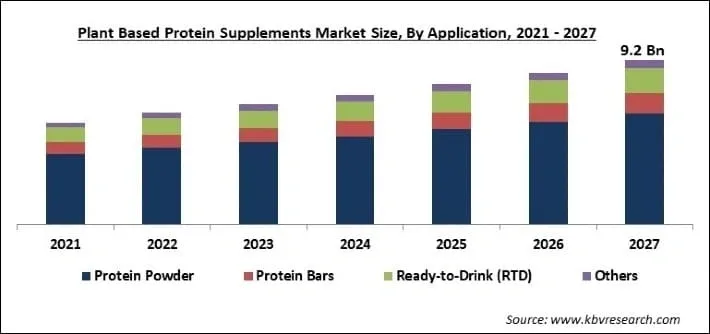
Market reports show steady growth in plant protein products. I mention this only as a trend and not as proof of benefit. Sales tell you what people buy and not what is good for them, so the rest of this post looks at the evidence.
Yes, with the right total intake and training. A 2021 trial compared vegans and omnivores during twelve weeks of supervised resistance training. Both groups ate about 1.6 grams of protein per kilogram of body weight, and the vegan group used soya. Muscle mass and strength gains were similar.
Likewise, meta-analyses of trials comparing soya with animal protein reach the same conclusion. When people train and eat enough protein, the protein source makes little difference. Studies of pea protein against whey show comparable gains too, though the studies are small.
Total protein and training matter more than the source. Research suggests that muscle gains plateau at roughly 1.6 grams of protein per kilogram a day for most trained people. Your doctor or dietitian can tailor the amount to your health.
Animal proteins usually digest slightly better and contain more leucine, an amino acid that switches on muscle building. Plant proteins vary in their amino acid balance. Pea is lower in methionine, and rice and wheat are low in lysine.
Fortunately, this is easy to fix. For instance, combine different plant sources across the day, such as dal with rice, or nuts, seeds and pulses together. A slightly higher total intake also covers the gap.
I will not claim that almond or flaxseed protein beats pea or soya. The research does not show that. Each food has strengths, and variety is the practical answer.
Muscle is more than a gym goal. It drives your metabolism, protects your joints and helps you stay independent as you age. Adults lose muscle from middle age, and protein with strength training slows this.
Protein also helps you feel full, so it may support a healthy weight. Whole-food plant proteins carry fibre, unsaturated fats and minerals, which suit heart-healthy eating. I explain the heart side in Is plant protein powder good for the heart?
Plant-rich diets also link with lower risk of type 2 diabetes in large studies. Our post Is plant protein good for diabetes? covers the evidence and its limits. None of this means that a powder prevents disease. It means that a plant-rich pattern, with enough protein, supports long-term health.
Food production causes a large share of greenhouse gas emissions. A major analysis of global farming by Poore and Nemecek found that plant foods generally use less land and cause lower emissions than animal foods. Beef and dairy rank at the high end.
However, plant foods are not all equal. Almonds need a lot of water to grow, especially in dry regions. Soya has been linked with deforestation in some places, though most of it goes to animal feed.
The honest message is that plants usually have a lighter footprint, and choices within plants still matter. Local, seasonal and minimally processed foods tend to do best. Pulses, millets and seeds are strong choices for India.
Quality will matter more as buyers become better informed. I see five markers of a good plant protein powder.
First, a short and clear ingredient list. You should recognise every item. Second, no large amounts of added sugar or sugar substitutes.
Third, look for transparency about contaminants. Plants absorb heavy metals from soil, and independent tests have found lead and cadmium in some powders, particularly chocolate-flavoured ones. Good brands test batches and share the results.
Fourth, honest nutrition labelling. Protein per serving should match the claim on the pack. Fifth, no promises that sound like medicine.
Isolates are concentrated proteins separated from peas, soya or rice. They give a lot of protein per scoop, and they work well for athletes who need convenience. Whole-food powders keep fibre, healthy fats and minerals, but give less protein per scoop.
For example, a 25 gram serving of our Moringa blend gives about 7.5 grams of protein. An isolate may give 20 grams or more per scoop. Neither is wrong, and the right one depends on your goal.
Researchers also debate “ultra-processed foods”. Some protein products fall into this group because of added flavours, sweeteners and emulsifiers. Personally, I prefer simple, minimally processed foods, but I do not claim that every processed powder is harmful.
I often see a rule that a good powder must give 15 to 20 grams of protein per serving. That figure suits people who need a high-protein shake after hard training. It does not suit everyone.
Instead, many people need only a modest top-up to reach their daily goal. Healthy adults need at least 0.8 grams per kilogram of body weight a day, and active people may need up to 1.6 grams. Count your food first, and then decide how much a powder should add.
Read the label for protein per serving and per 100 grams. Compare similar serving sizes. Do not judge a powder only by its headline protein number.
Our Chocolate powder contains roasted almond, roasted flaxseed, cocoa powder, dark chocolate and turmeric. Our Moringa powder contains moringa leaf, almond, flaxseed, turmeric and cardamom. Both are vegan, sieved and vacuum packed.
We have printed every ingredient on the front of the pack since 2021. The dark chocolate uses cocoa solids and a small amount of jaggery, with no refined sugar. Neither powder contains a protein isolate or an anti-caking agent.
I will state our limits plainly. These are whole-food blends, so they give less protein per scoop than isolates. We do not claim that they raise testosterone, boost immunity, cure disease or beat other proteins. Both contain almonds, so they are unsuitable for tree nut allergy.
Vegetarians and vegans often struggle to reach their protein goal with meals alone. A powder can fill the gap without adding meat or eggs. Plan your B12, iron and iodine separately, because a protein powder does not replace them.
Beginners who start strength training also benefit from an easy protein top-up. Older adults, who need more protein to keep muscle, can use a gentle powder in milk or curd. Busy professionals may value a quick, nutritious snack in place of biscuits.
Athletes need more protein, but they should still start with food. A powder is convenient after training, yet a meal of dal, curd and roti works too. Ultimately, the best protein is the one you eat consistently.
One myth says that plant protein is incomplete and cannot build muscle. In reality, a varied diet supplies all the essential amino acids, and trials show equal gains. Another myth claims that soya lowers testosterone in men. Studies of soya foods show no meaningful change.
Some marketing says that one plant protein is magical. No evidence shows that any single source beats the others. Finally, people sometimes assume that more protein always means more muscle. Beyond about 1.6 grams per kilogram, extra protein adds little.
Protein powders vary hugely in price per gram of protein. Isolates are usually cheapest per gram, while whole-food blends cost more because they use nuts and seeds. Compare the cost per serving and the protein you actually get.
Food remains the best value. Dal, soya chunks, curd, eggs and paneer give plenty of protein at low cost. A powder earns its place through convenience, taste and the extra nutrients it carries.
Most healthy adults tolerate plant protein well. Start with a half serving and drink water, because fibre can cause wind or loose stools at first. Our posts on gas and loose motion explain the fixes.
People with kidney disease, pregnant and breastfeeding women, children, and those who take regular medicines should ask their doctor first. Nut and soya allergy are serious. Read our overview, Is plant protein safe?, for a full checklist.
I expect three trends. First, more blends of grains, pulses, nuts and seeds, which balance amino acids and taste. Second, new methods such as fermentation, which may improve flavour and digestibility.
Third, stronger rules and better testing. Regulators in India and elsewhere are paying closer attention to supplement labels, claims and contaminants. Brands that already label clearly and test openly will adapt easily.
Prices should also fall as demand grows, but cheap does not always mean good. Real progress will come from honest labels and simple food, not from louder marketing.
Start with your goal. If you want a high-protein post-workout shake, an isolate or a pea and rice blend may suit you. If you want a nutritious snack replacement, a whole-food powder may fit better.
Check the label for ingredients, protein per serving, sugar, sodium and allergens. Look for an FSSAI licence number, batch number and expiry date. Ask for contaminant test reports.
Finally, try a small pack first. Judge taste, digestion and price over a few weeks. A good product should fit comfortably into your routine.
| Question | What Research Shows | Takeaway |
|---|---|---|
| Does plant protein build muscle? | Similar gains to animal protein with enough total protein and training | Yes, with enough protein |
| Is plant protein digested as well? | Slightly lower for some sources; blends help | Combine sources |
| Is it better for the planet? | Usually lower emissions; some crops use much water | Generally yes, with exceptions |
| Is it better for health? | Plant-rich diets link with better long-term health | Diet pattern matters |
| Are all powders equal? | Quality, sweeteners and contaminants vary widely | Read labels; ask for tests |
| Does one protein beat all others? | No evidence for a single best source | Variety works |
They are growing quickly, and good evidence supports them for muscle and general health. Quality and transparency will decide which brands last.
Yes, when you train and eat enough total protein. Trials comparing soya or pea with animal protein show similar gains.
Research suggests gains plateau around 1.6 grams per kilogram of body weight a day for most trained people. Your doctor or dietitian can adjust this.
Usually yes, because plant foods generally cause lower emissions and use less land. Some crops, such as almonds, need a lot of water.
Some are, particularly flavoured isolates with many additives. Simple whole-food powders are less processed. Read the ingredient list.
Choose a short ingredient list, low added sugar, clear labelling, allergen information and batch test reports. Avoid big health promises.
Not necessarily. Many people meet their needs through food. A powder is a convenient top-up when meals fall short.
So, are plant protein powders the future? Yes, the evidence is encouraging, and the shift toward plant-rich eating looks lasting. The winners will be honest, simple, tested and affordable.
Honest advice means keeping powders in perspective. Eat real food, train regularly, sleep well and use a powder only to fill gaps. Ask your doctor if you have a health condition.
I built Sheer MADness powders from whole roasted almond and flaxseed, with turmeric and either cocoa with dark chocolate or moringa with cardamom. You can see every ingredient on the front of the pack before you buy. Try Plant Protein Chocolate or Plant Protein Moringa as part of a balanced routine.
a) Everyone is an individual, so what suits me may or may not suit the next person.
b) If a person has a medical condition, a doctor’s advice and prescribed medication come first.
c) While buying any protein powder from the market, read the labels carefully. Watch out for codes and words such as anti-caking agent and INS 551, also known as silicon dioxide. These are laboratory-made additives, and although regulators approve them, it is fair to ask whether you want them in your daily scoop. Hence, read the ingredient list of every product before buying.
If you are interested in buying natural vegan protein powder, health drinks for kids, or our energy bars and protein bars, shop at Sheer MADness.
One can also buy our Products From Flipkart, Jiomart or ONDC in India.
d) Exercise is the key to fitness. Exercise and nutrition are two sides of the same coin, and nutrition alone will not help you reach your goals without movement.
e) Excess of anything is wrong. Even the best nutrient-filled superfood should be consumed only in recommended quantities.
f) Regarding health, fitness and nutrition, remember that Rome was not built in a day. Your discipline and consistency are the key.
g) It’s not only exercise and protein that build muscles. A healthy gut, rest, your body type, genetics and your lifestyle all matter. Exercise and nutrition are within our control, so focus on these two first.
h) The most important part of fitness is that nothing is better than exercise and a balanced meal.
Disclaimer: Our products are a source of nutrients and are made from whole foods.
We do not claim to cure any medical condition.
The content provided is informational. We do not claim to diagnose or treat a person with any specific medical condition.