

Direct answer: Yes, vegan protein powder can help men recover after a workout. It works when it gives you enough protein and you pair it with carbohydrates, fluids and sleep. Recovery is a 24 to 72 hour process, not a 30 minute window. A powder is a convenient tool within that process, and it works best when the day’s total protein is on target.
That answer is less dramatic than “accelerate your muscle repair”, which is how this topic is often sold. No powder speeds up recovery by itself. What it does is make good nutrition easier when you are tired, hungry and short on time.
I am Chef Ashutosh Awasthi, founder of Sheer MADness, professional chef, marathon runner and author of Great Health Comes from Exercise & Nutrition. I have trained through many a sore week, and I have cooked recovery meals for runners and gym-goers alike. This post is part of my complete guide, Plant Protein, Protein Everything you should be aware of.
When you train, you create tiny tears in muscle fibre and use up the glycogen stored in muscle. You also lose fluid and salts through sweat. Recovery is the time your body takes to repair, refill and rebuild.
Four things must happen. Muscle needs protein for repair, and glycogen needs carbohydrate to refill. Fluids and salts need replacing, and the nervous system needs rest. Missing any one of the four slows the whole process.
Notice that only one of these four is protein. This is why a shake alone rarely fixes poor recovery. Our post on muscle building with vegan protein explains the building side in more detail.
The first two hours after training are about refuelling. Drink fluids, eat some carbohydrate and take a good dose of protein. You do not need to rush, but do not skip this meal either.
The rest of the first day is about total intake. Your muscles stay sensitive to protein for many hours, so spreading protein across three or four meals works well. Sleep that night does a great deal of the repair.
Days two and three are when soreness often peaks. This delayed onset muscle soreness usually appears 24 to 48 hours after hard or unfamiliar training. Eat well, move gently and sleep enough while it passes.
Many men rush a shake within 30 minutes of the last rep. This habit comes from the old idea of an anabolic window. Later research suggests the window is much wider.
A 2013 meta-analysis by Schoenfeld and colleagues found that total daily protein mattered far more than exact timing. Timing may help if you train fasted or go long between meals. Otherwise, a normal meal within a couple of hours is fine.
So, relax. Eat a proper post-workout meal when you can, and make sure the day’s protein adds up. That habit will serve you better than a stopwatch.
A common target is about 0.25 to 0.4 grams of protein per kilogram of body weight in each meal. For a 75 kg man, that means roughly 20 to 30 grams. Over a day, many trained men aim for 1.4 to 2.0 grams per kilogram.
Schoenfeld and Aragon described this per-meal approach in 2018. The ranges are guidance, not a prescription. People with kidney disease must ask a doctor first, and our post on kidneys and vegan protein explains why.
Plant proteins are often a little lower in the amino acid leucine, which switches on muscle building. For that reason, some men take a slightly larger portion of plant protein, or combine sources. Our guide on amino acids in vegan protein explains how to do this.
When protein intake is matched, the differences are small for most men. A 2015 trial by Babault and colleagues compared pea and whey protein in young men during resistance training. It found similar gains in muscle thickness. A 2021 meta-analysis by Hevia-Larraín and colleagues, with vegan and omnivore lifters, also found similar muscle gain when protein was high enough.
These studies are limited in size and duration. Still, they point the same way. A well-planned plant protein plan can support recovery and muscle.
The honest caveat is that quantity and variety matter more for plant protein. You may need a little more, and a mix of sources. That is easy to do with Indian food.
| Session | What Your Body Needs | A Practical Post-Workout Choice |
|---|---|---|
| Heavy lifting, 60 minutes | Protein first, some carbohydrate | Moong chilla with curd, or dal, rice and sabzi |
| Running, 10 km or more | Carbohydrate, fluids, salt, then protein | Banana, buttermilk, then khichdi or poha with sprouts |
| Football, cricket, badminton | Fluids, carbohydrate and protein | Coconut water, fruit, then roti with paneer or tofu |
| HIIT or circuit class | Balanced meal within a few hours | Sattu drink or a shake, then a proper lunch |
| Walk, yoga, light session | No special recovery meal | Your normal meal and water |
| Long weekend ride or hike | Plenty of carbohydrate and fluid | Rice, dal, curd and fruit, with salty fluids |
This table is a starting point. Adjust portions to your size, appetite and training load. Moreover, your doctor or dietitian can fine-tune it if you have a medical condition.
Muscle glycogen is your fuel tank, and carbohydrate refills it. After long or hard sessions, especially running, the refill matters a great deal. After very long efforts, guidance suggests 1.0 to 1.2 grams of carbohydrate per kilogram each hour. Keep this up for the first few hours.
For most gym sessions, you do not need that much. A banana, a bowl of rice or two rotis is enough. If you train twice a day, however, refuelling quickly becomes more important.
Protein plus carbohydrate together also feels better than protein alone. So, mix your shake with milk and fruit, or pair it with oats. This simple habit supports both repair and refuelling.
Sweat takes water and sodium with it, and Indian summers make this worse. A simple rule is to drink about 1.25 to 1.5 litres of fluid for every kilogram of body weight lost during exercise. Weigh yourself before and after a long session to see how much you lose.
Water works for most sessions. For long, sweaty efforts, add salt through buttermilk, lemon water with a pinch of salt, or coconut water. Dark urine is a sign that you need more fluid.
Do not overdo it either. Drinking far more than you need can dilute your blood salts. Sip steadily, and let thirst and urine colour guide you.
Most muscle repair happens when you rest. Aim for seven to nine hours of sleep. Poor sleep raises soreness, lowers performance and increases hunger the next day.
Rest days are part of the plan too. Train hard muscle groups no more than two or three times a week. If you are sore enough to change how you move, give yourself another day.
Light movement helps on rest days. Walking, stretching or an easy swim improves blood flow. As a result, you often feel better by day three.
Soreness is normal after new or hard training. It does not mean the session was better, and its absence does not mean it failed. It usually fades within three days.
Gentle movement, enough protein, good sleep and a warm bath help most people feel better. Foam rolling gives some relief for many. There is no strong evidence that any single supplement removes soreness.
Sharp pain, swelling, dark urine or pain that lasts more than a week is different. Stop training and see a doctor. Those signs can point to an injury or a rare muscle breakdown problem.
You can recover perfectly well on food. Moong or besan chilla with curd gives protein and carbohydrate. A bowl of dal, rice and a vegetable is a classic recovery plate.
Sattu is a cheap, traditional option. Mix roasted gram flour with water, lemon and a pinch of salt. Paneer or tofu bhurji with roti, chana chaat, sprouts salad and a glass of milk also work well.
If you eat eggs, a two-egg omelette with toast is quick and filling. For vegans, soya chunks with vegetables and rice does the job. A desi protein shake recipe on our blog gives a quick drink idea.
Our Chocolate powder contains roasted almond, roasted flaxseed, cocoa powder, dark chocolate and turmeric. Our Moringa powder contains moringa leaf, almond, flaxseed, turmeric and cardamom. Both are vegan, sieved and vacuum packed, with no protein isolate and no anti-caking agent.
I will not claim that they speed up recovery or give “optimal muscle repair”. I also do not describe them as a complete amino acid source, because I have no lab profile for them. What they offer is a short, whole-food ingredient list that you can read on the front of the pack.
Our Moringa blend gives about 7.5 grams of protein per 25 gram serving. That is less than the 20 to 30 grams a hard session may call for. So, blend a serving into milk or curd, and add a food such as oats, a banana, dal or tofu. For the Chocolate blend, check the protein figure on your pack.
Both powders contain almonds, so they are unsuitable for tree nut allergy. The dark chocolate uses cocoa solids and a small amount of jaggery, with no refined sugar. Curcumin and omega-3 research on recovery is mixed, so I make no claim for the turmeric or flaxseed in this context.
Many men train in the evening after a long day at a desk. Start the day with a proper breakfast, such as poha with sprouts or besan chilla with curd. Have a fruit and a handful of nuts before you leave for the gym.
After training, eat dinner within a couple of hours. A good plate might be dal, rice or roti, a vegetable and a bowl of curd. If dinner is far away, take a half serving of powder in milk, with a banana, as a bridge.
Go to bed at a regular time, and keep the phone away. Drink a glass of water before sleep, but not so much that it wakes you. As a result, you start the next morning with less soreness and more energy.
Recovery slows a little with age. Muscle becomes less responsive to protein, so many men over 40 benefit from slightly larger doses per meal. Aim for 30 grams or so, spread over three or four meals.
Sleep, strength training and enough total calories matter even more now. Joints also need care, so warm up well and build up training slowly. Ask your doctor about blood pressure, blood sugar and cholesterol, and check kidney function if you take protein supplements regularly.
Our post on vegan protein powder for men looks at nutrition across the decades, and it goes deeper on this point.
Long runs and rides need a different focus. Carbohydrate and fluids come first, and protein follows within a couple of hours. A banana, buttermilk and a bowl of khichdi do the job well.
Salt matters on long, hot days. Add a pinch of salt to lemon water, or sip coconut water. Our post on protein for endurance and strength training covers daily targets for each style.
Recovery runs and easy days also count. They keep blood flowing without adding stress. Meanwhile, hard days need real rest the day after.
The first mistake is relying on a single shake. Recovery needs a meal, fluids and sleep as well. The second is skipping carbohydrate after long runs or two-a-day sessions.
Another mistake is chasing soreness, as if pain meant progress. A further mistake is cutting calories too hard while training hard. This leads to slow recovery, low energy and lost muscle.
Finally, some men forget that alcohol late at night slows recovery and wrecks sleep. Moderation helps. Our post on vegan protein for athletes covers the wider habits that support performance.
One myth says that you must drink a shake within 30 minutes or lose your gains. Research does not support such a narrow window. Another myth says that plant protein cannot repair muscle. Matched for amount, it can.
A third myth says that more protein means faster recovery. Beyond your daily need, extra protein simply becomes energy, and may add calories. A fourth myth says that supplements replace sleep. Nothing replaces sleep.
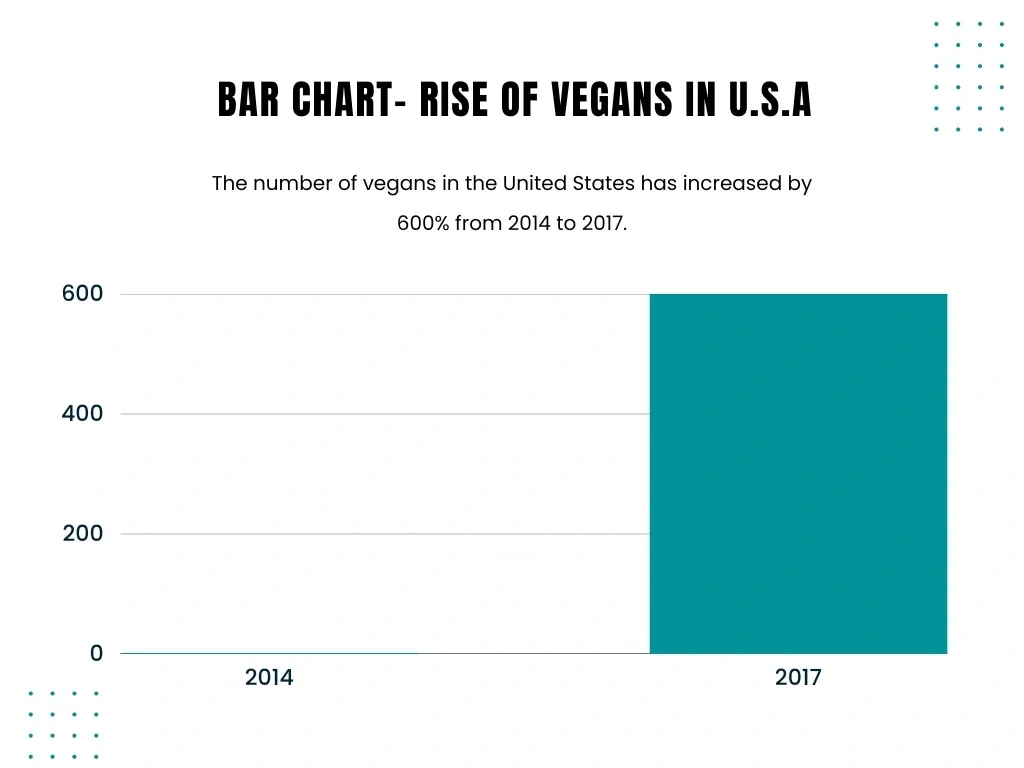
The number of vegans in the United States has increased by 600% from 2014 to 2017.
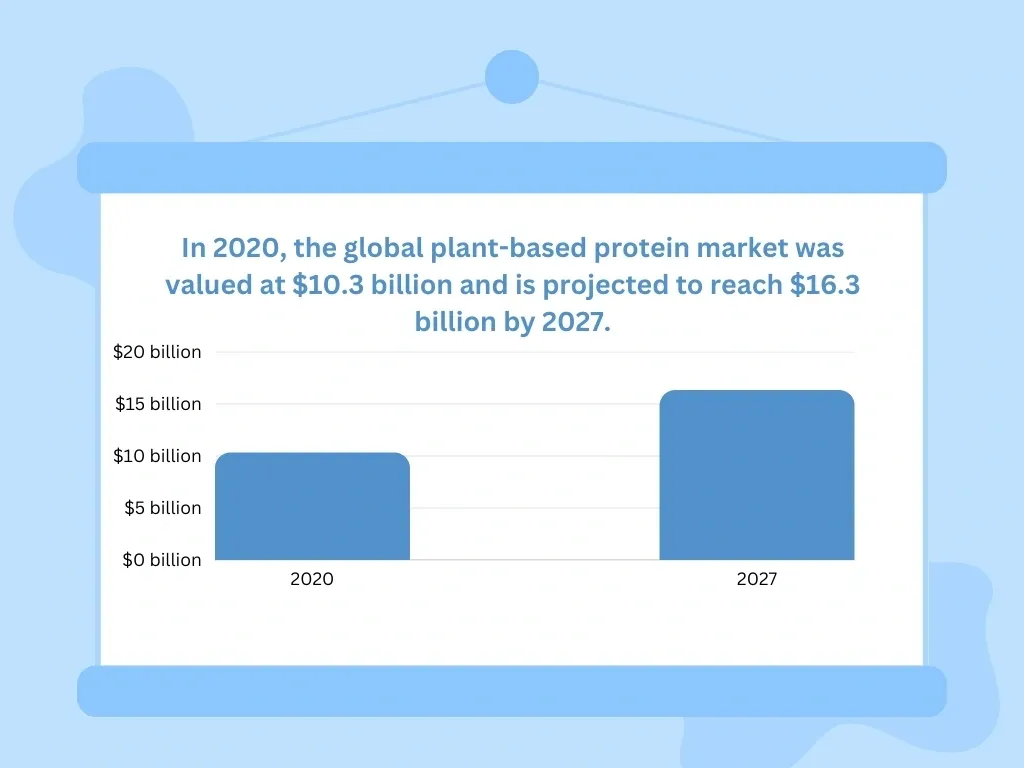
Projection of the Global Market for Vegan Protein.
Most healthy men tolerate plant protein well. Men with kidney or liver disease, diabetes, heart conditions or digestive problems should ask a doctor first. The same applies to anyone on prescription medicines.
If you feel bloated when you start, begin with a half serving. Our guide to plant protein and gas explains how to adjust. For general safety, read Is plant protein safe?
Yes, as part of a good routine. They help you reach your protein target, but fluids, carbohydrate and sleep matter equally.
Within a couple of hours is fine. The 30 minute rule is a myth, and total daily protein matters more.
Many men do well with 20 to 30 grams in the post-workout meal. People with kidney disease should ask a doctor first.
When the amount is matched, studies show similar results for most men. Plant protein may need a slightly larger portion or a mix of sources.
Yes, your muscles keep repairing. Eat your usual protein spread across the day.
There is no strong proof that any protein powder removes soreness. Sleep, gentle movement and enough food help most.
Carbohydrate and fluids matter too. Rice, fruit, oats, roti and buttermilk all work well.
So, can vegan protein powders help men with recovery after a workout? Yes, when they are part of a full routine. Protein repairs, carbohydrate refuels, fluids rehydrate and sleep rebuilds.
Keep it simple. Eat a proper meal within a couple of hours, hit your daily protein, drink enough and sleep well. A powder is a handy tool when life is busy, and not a magic shortcut.
I built Sheer MADness powders from whole roasted almond and flaxseed, with turmeric and either cocoa with dark chocolate or moringa with cardamom. You can see every ingredient on the front of the pack before you buy. Try Plant Protein Chocolate or Plant Protein Moringa with a half serving, blended into milk with a banana.
a) Everyone is an individual, so what suits me may or may not suit the next person.
b) If a person has a medical condition, a doctor’s advice and prescribed medication come first.
c) While buying any protein powder from the market, read the labels carefully. Watch out for codes and words such as anti-caking agent and INS 551, also known as silicon dioxide. These are laboratory-made additives, and although regulators approve them, it is fair to ask whether you want them in your daily scoop. Hence, read the ingredient list of every product before buying.
If you are interested in buying natural vegan protein powder, health drinks for kids, or our energy bars and protein bars, shop at Sheer MADness.
One can also buy our Products From Flipkart, Jio Mart or ONDC in India.
d) Exercise is the key to fitness. Exercise and nutrition are two sides of the same coin, and nutrition alone will not help you reach your goals without movement.
e) Excess of anything is wrong. Even the best nutrient-filled superfood should be consumed only in recommended quantities.
f) Regarding health, fitness and nutrition, remember that Rome was not built in a day. Your discipline and consistency are the key.
g) Recovery depends on many factors, including protein, carbohydrate, fluids, sleep, stress, gut health, genetics and lifestyle. Exercise and nutrition are within our control, so focus on these two first.
h) The most important part of fitness is that nothing is better than exercise and a balanced meal.
Disclaimer: Our products are a source of nutrients and are made from whole foods.
We do not claim to cure any medical condition.
The content provided is informational. We do not claim to diagnose or treat a person with any specific medical condition.