

Direct answer: On a keto diet, vegan protein powder can help you reach your protein target without adding many carbohydrates. The benefit depends on the powder, because pure pea or soya isolates are very low in carbs, while sweetened and whole-food blends can add more.
The key number is net carbohydrate per serving, which you can find on the pack. Read it before you buy, and fit it into your daily limit.
I am Chef Ashutosh Awasthi, founder of Sheer MADness, professional chef, marathon runner and author of Great Health Comes from Exercise & Nutrition. Readers often ask whether my powders are keto. I will answer that honestly in this post, and I will also explain how to judge any powder. It is part of my complete guide, Plant Protein, Protein Everything you should be aware of.
A ketogenic diet is very low in carbohydrate, moderate in protein and high in fat. Most plans keep carbohydrates at about 20 to 50 grams a day. The aim is to push the body to burn fat and make ketones for fuel.
A common split is roughly 70 to 75 percent of calories from fat. Protein supplies 20 to 25 percent, and carbohydrate supplies 5 to 10 percent. The old version of this page listed ranges that added up to more than 100 percent, so I have corrected them. Individual plans differ, and a dietitian can tailor one.
Keto is not a miracle. Some people lose weight on it in the short term, but long-term results are mixed. It is also not suitable for everyone, and I cover who should be careful later in this post.
Protein protects muscle when you cut calories or carbohydrates. It also keeps you full, which helps many people stick to the plan. Most adults need at least 0.8 grams per kilogram of body weight, and active people need more.
Keto adds a challenge. Many protein foods in the Indian kitchen, such as dal, rajma, chana and rice-based meals, are rich in carbohydrate. Therefore, keto dieters have fewer easy protein choices.
A vegan keto diet makes this harder still. Animal foods such as eggs, fish and meat are nearly carb-free, while plant proteins often carry starch. This is where a low-carb powder can help.
Keep protein moderate and steady. Most healthy adults aim for 1.0 to 1.6 grams per kilogram of body weight on keto. A 70 kilogram person would therefore target roughly 70 to 110 grams a day.
Some people fear that extra protein turns into glucose and breaks ketosis. The process exists, but it is slow and it does not usually stop ketosis at normal intakes. Even so, a very large protein load may lower ketone levels in some people.
Spread protein across meals, and avoid a single huge shake. Pair it with fats and fibre. If you track ketones or blood sugar, watch how your body responds.
Pea and soya protein isolates are usually 80 to 90 percent protein, with very few carbs. A scoop can give 20 to 25 grams of protein and about 1 to 3 grams of carbohydrate. That fits easily into a keto day.
Whole-food nut and seed powders behave differently. Almond, flaxseed and cocoa are naturally low in digestible carbohydrate, because much of it is fibre. However, added sweeteners, jaggery or fruit powders raise the total.
So the benefit is real, but you must check the label. Our guide to what vegan protein isolate is explains why isolates are so low in carbs.
A scoop of isolate gives protein for about 100 to 120 calories. That leaves room in your daily budget for the fats keto needs. A whole-food powder gives less protein per scoop, but more fats and fibre.
The right choice depends on your plan. If you eat plenty of fat from nuts, avocado and oil, you may prefer a leaner isolate. If you struggle to eat enough fat, a nut and seed powder can help.
Counting matters here. Check calories as well as carbohydrate, since keto does not mean calorie-free. Our post Will vegan protein powder make you fat? explains the arithmetic.
Keto can be hard to follow in a vegetarian household. Restaurants and festival foods are often full of rice, flour and sugar. A shake gives you a quick option when no suitable meal is available.
It also reduces the temptation to snack on biscuits or namkeen. A shake with unsweetened soya milk, a spoon of nut butter and some cocoa can bridge a gap. Still, whole foods such as paneer, tofu, nuts and vegetables should fill most of your plate.
Keto diets can be low in fibre, because grains, fruit and pulses are limited. Constipation is a common complaint. Whole-food powders with flaxseed and almond provide some fibre, which may help.
Fibre also lowers net carbohydrate, since net carbs equal total carbs minus fibre. This matters when you read a label. Add water, and increase fibre slowly to avoid gas.
Look at total carbohydrate per serving, then dietary fibre, then sugars. Subtract fibre from total carbohydrate to estimate net carbs. Some people also subtract sugar alcohols, but their effect varies, so be cautious.
Next, check the serving size. A label may show carbs per 100 grams, while your scoop is only 25 or 30 grams. Do the sum for your actual serving.
Then add all your daily foods. If a shake uses 4 of your 30 grams of carbs, that leaves 26 grams for everything else. Plan the day before you open the tub.
| Source | Carbohydrate Level | Protein Level | Notes for Keto |
|---|---|---|---|
| Pea protein isolate | Very low | High | Efficient; check sweeteners |
| Soya protein isolate | Very low | High | Efficient; soya allergy |
| Hemp protein | Low | Moderate | Fibre and fats; earthy taste |
| Almond and flax blends | Low to moderate | Moderate | Depends on added sugar |
| Tofu and tempeh | Low | Moderate to high | Real food; versatile |
| Paneer and eggs (if you eat them) | Very low | High | Useful for vegetarians |
| Dal, rajma, chana | Moderate to high | Moderate | Usually too high in carbs |
| Sattu | High | Moderate | Usually too high in carbs |
These are broad categories and not exact values. Always use the label of the product you buy.
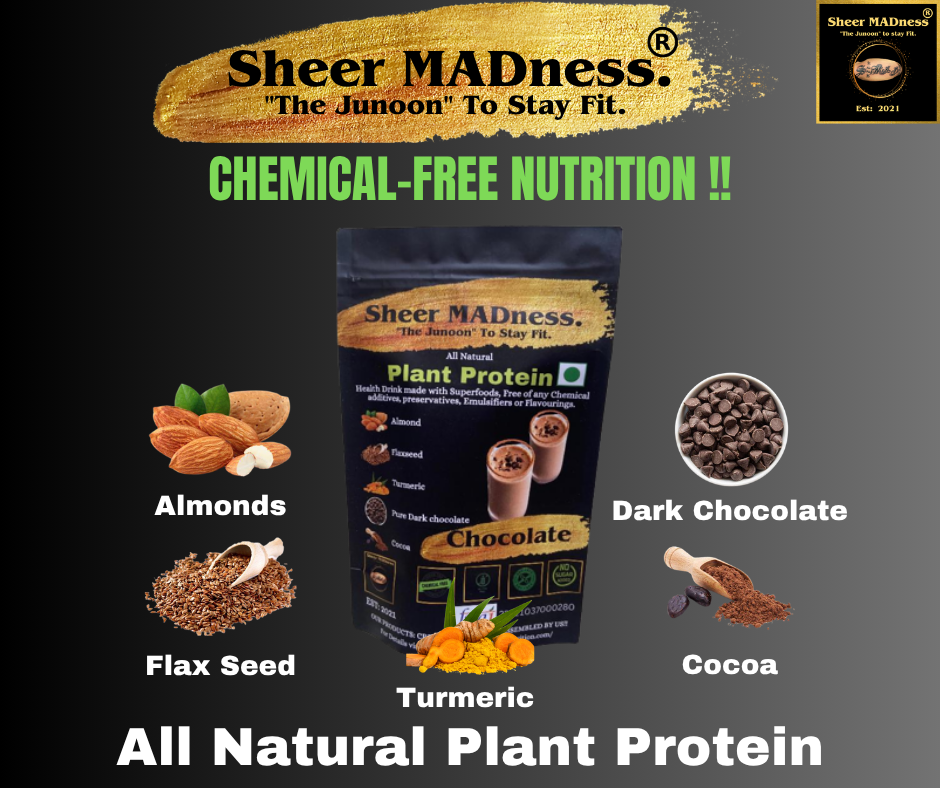
Our Chocolate powder contains roasted almond, roasted flaxseed, cocoa powder, dark chocolate and turmeric. Our Moringa powder contains moringa leaf, almond, flaxseed, turmeric and cardamom. Both are vegan, sieved and vacuum packed.
The main ingredients, almond, flaxseed and cocoa, are naturally low in digestible carbohydrate. However, the dark chocolate contains cocoa solids and a small amount of jaggery, which adds some carbohydrate. I have not claimed that either powder is keto, and I will not do so without clear label numbers.
Check the nutrition panel on your pack for total carbohydrate, fibre and sugars per serving. Then decide whether the serving fits your daily carbohydrate limit. A strict keto dieter may prefer the Moringa blend or a half serving, and a dietitian can advise.
Here are the other limits. Our Moringa blend gives about 7.5 grams of protein per 25 gram serving, which is less than an isolate. Both powders contain almonds, so they are unsuitable for tree nut allergy. We use no protein isolate and no anti-caking agent.
Vegan keto relies on tofu, tempeh, nuts, seeds, avocado, coconut, olive oil and low-carb vegetables. Leafy greens, cauliflower, broccoli, zucchini and mushrooms keep carbs low. Paneer, curd and eggs help vegetarians who include them.
Avoid or limit rice, roti, potatoes, most fruit, sugar and sweet drinks. Dal and legumes are mostly too high in carbs for strict keto, though small portions may fit a looser plan. Read labels on packaged foods, since sauces and snacks hide sugar.
For ideas on using powder in meals, see our Desi Protein Shake recipe. Swap banana and dates for berries, unsweetened cocoa or cinnamon, and use unsweetened milk.
Breakfast could be tofu scramble with spinach, cooked in olive oil, or a shake made with unsweetened soya milk and a spoon of almond butter. Lunch might be paneer or tofu tikka with a large salad and a drizzle of olive oil. Between meals, have a handful of almonds or walnuts.
Dinner could be sauteed mushrooms and zucchini with tempeh, topped with seeds. A scoop of low-carb protein can help if you miss your target. Add electrolytes through salt, leafy greens and nuts, and drink plenty of water.
Adjust portions to your calorie needs and doctor’s advice. Keep a food log for the first two weeks, so you can see your real carb and protein totals.
Keto is not for everyone. People with diabetes who take insulin or other medicines can face dangerously low blood sugar, so they need medical supervision. Our post on plant protein and diabetes explains the protein side.
People with kidney disease, liver disease, gallbladder problems, pancreatitis or a history of disordered eating should avoid keto unless their doctor approves. Pregnant and breastfeeding women, and children, should not follow it without medical guidance. High cholesterol can also rise on keto, so get blood tests.
Some people feel tired, dizzy or headachy in the first week, often called the keto flu. Salt, fluids and a gradual change often help. If symptoms persist, stop and see a doctor.
The first mistake is trusting the front of the tub. Words such as “low carb” or “keto” are not regulated terms, so read the nutrition panel. The second is ignoring sweeteners, since sugar alcohols and syrups can raise carbs or upset the gut.
A third mistake is using a shake as a full meal every day. Keto needs vegetables, fibre and variety, and a scoop in water offers none of them. Finally, many people forget electrolytes, so they feel tired and blame the powder.
Therefore, keep the plan simple. Use real food for most meals, and use the powder only as a top-up. Review your blood tests with your doctor every few months.
| Myth | What the Evidence Suggests |
|---|---|
| Any protein powder is keto | Carbs vary widely; read the label |
| Plant protein cannot work on keto | Low-carb isolates and nut blends can fit |
| More protein is always better on keto | Gains level off; the plan needs balance |
| Keto is safe for everyone | Several conditions need medical advice |
| Keto guarantees weight loss | Calories and adherence still matter |
Some are. Pea and soya isolates are very low in carbs, while sweetened or whole-food blends vary. Check net carbs per serving on the pack.
Low-carb isolates, hemp protein and unsweetened nut and seed blends suit many people. The best choice fits your carb limit and allergies.
Most keto plans allow about 20 to 50 grams of carbs daily. A good powder uses only a few grams of that.
Moderate protein does not usually stop ketosis in most people. Very high intake may reduce ketone levels in some, so keep to a sensible target.
We do not label it keto. The ingredients are low in digestible carbohydrate, but the chocolate version contains a small amount of jaggery, so check the pack.
It is possible but demanding. Plan carefully, watch vitamin B12, iron and zinc, and work with a dietitian.
Not always. Tofu, tempeh, paneer, eggs and nuts can provide protein on keto. A powder is a convenient top-up.
So, what are the benefits of vegan protein powder on keto? It can help you reach your protein goal with few carbohydrates, add fibre and make a restrictive diet easier. The benefit depends entirely on the carbs in the powder you choose.
Honest advice means reading the net carbs, counting your calories and speaking to a doctor if you have a health condition. No powder makes keto work by itself. Food, sleep and exercise still do the heavy lifting.

I built Sheer MADness powders from whole roasted almond and flaxseed, with turmeric and either cocoa with dark chocolate or moringa with cardamom. You can see every ingredient on the front of the pack before you buy. Look at Plant Protein Chocolate or Plant Protein Moringa, read the nutrition panel and judge whether it fits your plan.
a) Everyone is an individual, so what suits me may or may not suit the next person.
b) If a person has a medical condition, a doctor’s advice and prescribed medication come first.
c) While buying any protein powder from the market, read the labels carefully. Watch out for codes and words such as anti-caking agent and INS 551, also known as silicon dioxide. These are laboratory-made additives, and although regulators approve them, it is fair to ask whether you want them in your daily scoop. Hence, read the ingredient list of every product before buying.
If you are interested in buying natural vegan protein powder, health drinks for kids, or our energy bars and protein bars, shop at Sheer MADness.
One can also buy our Products From Flipkart, Jio Mart or ONDC in India.
d) Exercise is the key to fitness. Exercise and nutrition are two sides of the same coin, and nutrition alone will not help you reach your goals without movement.
e) Excess of anything is wrong. Even the best nutrient-filled superfood should be consumed only in recommended quantities.
f) Regarding health, fitness and nutrition, remember that Rome was not built in a day. Your discipline and consistency are the key.
g) Good nutrition depends on many factors, including your food, gut health, sleep, stress, genetics and lifestyle. Exercise and nutrition are within our control, so focus on these two first.
h) The most important part of fitness is that nothing is better than exercise and a balanced meal.
Disclaimer: Our products are a source of nutrients and are made from whole foods.
We do not claim to cure any medical condition.
The content provided is informational. We do not claim to diagnose or treat a person with any specific medical condition.