

Direct answer: Plant protein is not known to raise gout risk, and plant purines have not been linked to more attacks in large studies. Meat, seafood, beer and sugary drinks are the bigger triggers. However, no study has tested our powders in people with gout. Please check with your doctor first, especially during a flare or when you take uric acid medicine.
Gout is painful, and people with it often fear every new food. Therefore, a protein powder raises a fair question. This guide explains what gout is, which foods matter, and how to read a powder label.
I am Chef Ashutosh Awasthi, founder of Sheer MADness, professional chef, marathon runner and author of Great Health Comes from Exercise & Nutrition. I am not a doctor or a dietitian, and I cannot advise on gout treatment. This article is part of my complete guide, Plant Protein, Protein Everything you should be aware of.
Gout is a form of inflammatory arthritis. It happens when uric acid builds up in the blood. Over time, the acid forms sharp crystals inside a joint, often the big toe.
The result is sudden pain, swelling, redness and heat. An attack often starts at night. It may last several days, and it can return.
Uric acid is a normal waste product. The body makes it when it breaks down purines. Normally, the kidneys remove most of it in urine.
Purines are natural compounds in many foods. Your own cells also make them. So, about two thirds of uric acid comes from the body itself, and the rest from food.
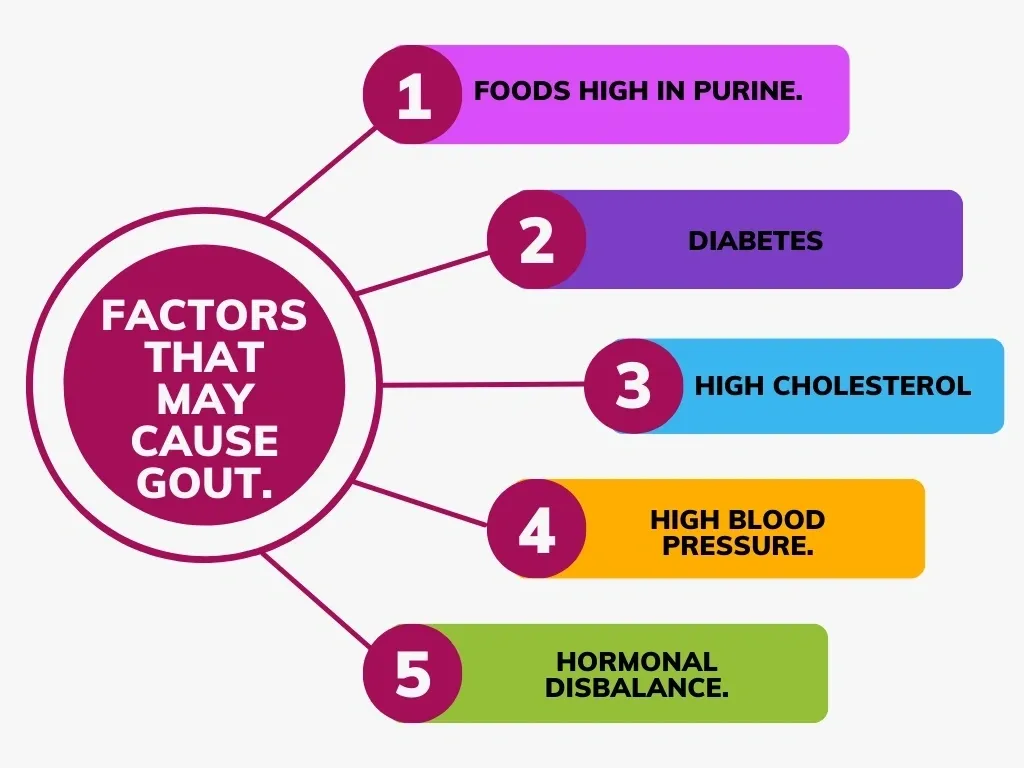
Because of this, diet alone rarely explains gout. Genes, kidney function, body weight, alcohol and some medicines all play a part. Hence, a doctor usually looks at the whole picture.
Still, food can tip the balance. Some foods are clearly linked to attacks, while others are not. That difference is the key to your question.
A well-known study followed more than 47,000 men for 12 years. It found that eating more meat and seafood raised the risk of gout. In contrast, purine-rich vegetables did not raise the risk. Dairy foods, on the other hand, were linked to a lower risk.
The same study found no link between total protein intake and gout. Please verify the details with the original paper, since I am quoting from memory. It was published in the New England Journal of Medicine in 2004.
This finding is important. It suggests that the source of purines matters more than the number. As a result, many doctors now take a more relaxed view of dal, beans and soya.
The table below groups foods by approximate purine level. The grouping is simplified, so please treat it as a guide only.
| Group | Examples | Note |
|---|---|---|
| High | Organ meats, sardines, anchovies, some shellfish | Most linked to attacks |
| Moderate | Red meat, chicken, most fish | Limit as your doctor advises |
| Moderate (plant) | Dal, rajma, soya, peas, mushrooms, spinach | Not linked to more attacks in large studies |
| Low | Almonds, flaxseed, most fruits, rice, roti, milk, curd | Generally considered low |
Plant foods in the moderate group contain purines. However, studies have not tied them to more gout attacks. Therefore, most guidelines do not ask patients to avoid them.
Several habits matter more than protein. Alcohol, especially beer, is a strong trigger. Sugary drinks and fructose also raise uric acid.
Being overweight raises risk too. Crash diets and fasting can bring on an attack, because fast weight loss temporarily raises uric acid. Dehydration, some water tablets and heavy meat meals add to the load.
So, the plate should not be your only focus. Look at drinks, weight, medicines and hydration as well.
A powder is a concentrated food. Some are made from isolates, which are protein pulled out of a source. Others are made from ground whole foods.
Isolates can differ in purine content, depending on the source and processing. I do not have data for every brand, so I cannot judge them. Please ask the maker for a purine or lab report if you are concerned.
Whole-food blends usually carry the purine level of their ingredients. Nuts and seeds are generally low in purines. Still, a label and a doctor’s view matter more than a general rule.
Almonds and flaxseed are generally regarded as low-purine foods. Cocoa contains some purine-like compounds, but not in large amounts. Moringa leaf is a green leaf, and I have no purine figure for it.
I do not have purine data for our blends as products. Therefore, I do not say that they are low in purines or safe for gout. I only list what is inside, so that your doctor can judge.
Flaxseed also deserves a note on kidneys. People with kidney disease should ask a doctor before using it. Gout and kidney problems often occur together, so this matters.
During an acute attack, the focus is on treatment and rest. Your doctor may prescribe anti-inflammatory medicine. Do not start any new supplement at this time.
Between attacks, the goal is long-term control. Doctors often aim to keep uric acid below a target level. This usually means medicine, weight management and good habits.
Therefore, ask your doctor when a powder would be reasonable for you. Timing matters as much as the product.
Some people take medicine to lower uric acid. Common examples are allopurinol and febuxostat. Others take drugs for flares, such as colchicine or anti-inflammatory tablets.
Never change or stop these on your own. Diet can support treatment, but it does not replace it. In addition, tell your doctor about every supplement you take.
Some medicines affect the kidneys and liver. Hence, doctors often order regular blood tests. A new powder is one more thing to share.
Water helps the kidneys remove uric acid. Doctors often advise steady fluid intake through the day. This is simple and cheap.
Protein powders do not replace water. In addition, shakes made with sugary syrups can undo your efforts. Therefore, prepare any shake with plain water or unsweetened milk, if your doctor agrees.
A urine that is pale yellow is a rough sign of good hydration. If you have heart or kidney disease, ask your doctor about the right amount first.
Gradual weight loss lowers uric acid in many people. However, crash diets can trigger attacks. So, aim for slow and steady change.
Exercise helps with weight and joint health. Walking, swimming and cycling are gentle choices. During a flare, rest the joint and follow your doctor’s advice.
Our post on plant protein for weight loss explains how to use a powder inside a sensible plan. It makes no gout claim.
Some foods are often suggested by doctors and dietitians. Low-fat dairy is linked with lower gout risk in studies. Vegetables, whole grains and fruit fit a healthy pattern too.
Cherries have been studied, and some research suggests they may lower attack risk. The evidence is modest, so treat them as a tasty option and not a treatment. Vitamin C is another area of study, and your doctor can advise on it.
Water, tea without sugar and plain buttermilk are better drink choices than sweet drinks. Choose home cooking over deep-fried snacks. Over time, these small shifts add up.
This plan is only an example, so please adapt it with your dietitian. For breakfast, try oats or ragi porridge with milk and a fruit. A glass of water before the meal helps.
At lunch, choose dal or chickpeas with roti, vegetables, a salad and curd. In the evening, have roasted chana or a handful of nuts. For dinner, a lighter meal of vegetable khichdi or paneer and sabzi works well.
Avoid alcohol and sweet drinks through the day. If your doctor approves a powder, have it as a small part of a meal. Keep portions modest.
Use this table to read any protein powder label. It works for any brand.
| What to Check | What You Want to See | Why It Matters |
|---|---|---|
| Protein source | A named plant food, not “protein blend” | Helps your doctor judge purine load |
| Isolate or whole food | Stated clearly | Processing can change purine content |
| Added sugar or fructose syrup | None or very little | Fructose raises uric acid |
| Sweeteners | Named and in small amounts | Avoid hidden sugars |
| Yeast extract | Not listed | Yeast extract is a purine source |
| Allergens | Clearly stated | Safety |
| Serving size | Stated in grams | Lets you track total intake |
| Batch test report | Available on request | Contaminants matter |
Yeast extract is worth noting, because it is a concentrated purine source. It appears in some savoury products. Check the label and ask the maker when unsure.
Gout and kidney stones often travel together. High uric acid can form stones in the urinary tract. Therefore, doctors ask gout patients about stone history.
Water again plays a big role here. Some people with stones are advised to limit certain foods, such as spinach or very large amounts of nuts. So, ask your doctor which foods fit your own case.
Our powders contain almonds and flaxseed. I have not tested them for oxalate. Hence, anyone with a stone history should check with a doctor before using them.
A blood test measures serum uric acid. However, one reading can mislead, because levels vary through the day. Some people have high uric acid and never get gout.
Others have an attack while their level looks normal. Hence, doctors read the test along with symptoms and sometimes joint fluid tests. Please do not self-diagnose from a single number.
Test results also change with fasting, medicines and illness. Repeat the test as your doctor advises. Keep a record, so that you can see the trend.
Indian home food is mostly gout-friendly. Roti, rice, curd, buttermilk, vegetables and fruit all fit. Dal and legumes are fine for most people, in sensible portions.
Be careful with festive food, sweets and sugary drinks. Alcohol at weddings and parties is a common trigger. In addition, fasting for religious reasons can raise uric acid in some people.
If you fast, ask your doctor how to plan. Drink water, break the fast gently and avoid heavy fried food afterwards. Small steps protect your joints.
Gout is more common in men, and in women after menopause. Older adults often take several medicines, including water tablets and low-dose aspirin. Some of these raise uric acid.
Older people also need enough protein to protect muscle. Therefore, the aim is balance, not fear of protein. Our post on plant-based protein for seniors covers protein per meal and kidney checks.
A doctor can review the full medicine list. In addition, a dietitian can design a plan that protects both muscle and joints.
Many people with gout cut all plant protein out of fear. Others swap meat for a large daily shake and drink no water. A third mistake is starting a powder during a flare.
Some patients rely on herbs or “uric acid cleansers” and stop medicine. Others follow a crash diet to lose weight quickly. Finally, many never share their supplements with their doctor.
Bring a short list to your visit. Ask what your uric acid target is and when it was last checked. Ask whether a protein powder suits your plan.
Check how your medicines interact with new foods. Find out whether your kidney function allows nuts and seeds in larger amounts. Write the answers down, and bring the label of any powder.
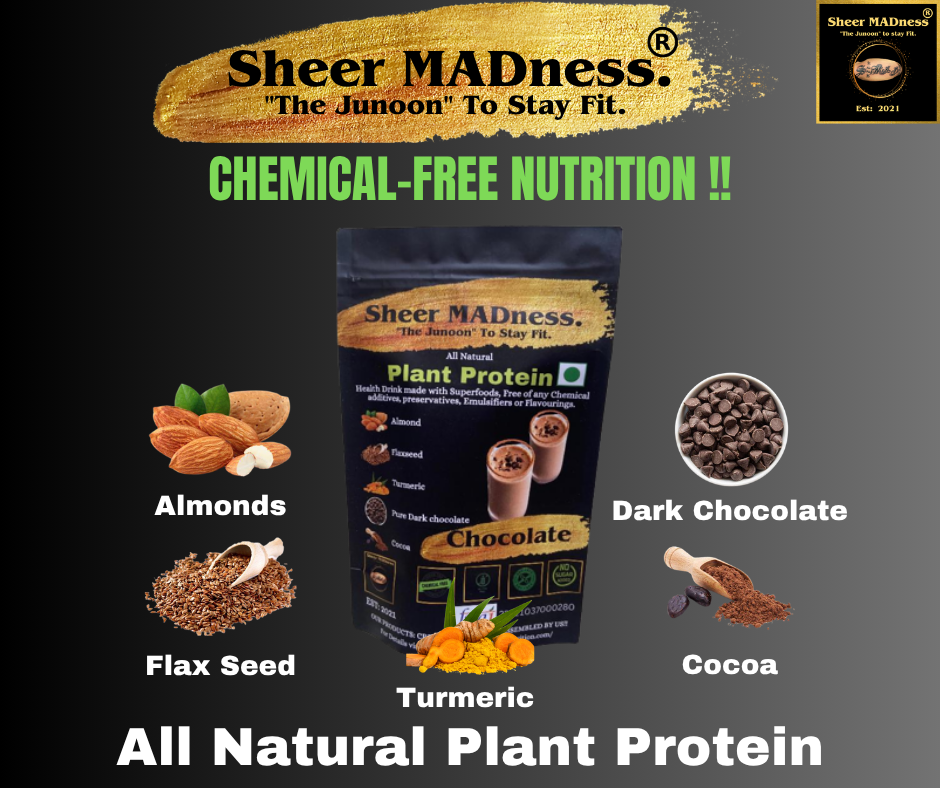
Our Chocolate powder contains roasted almond, roasted flaxseed, cocoa powder, dark chocolate and turmeric. Our Moringa powder contains moringa leaf, almond, flaxseed, turmeric and cardamom. Both are vegan, sieved and vacuum packed, with no protein isolate and no anti-caking agent.
I have not tested either powder in people with gout. I do not have a purine figure for either blend. Therefore, I make no claim that they are safe or suitable for gout, and I do not claim that they lower uric acid.
The Moringa blend gives about 7.5 grams of protein per 25 gram serving. Both powders contain almonds, so they are unsuitable for tree nut allergy. Please show the full ingredient list to your doctor before use.
One myth says that all protein causes gout. Large studies found no link between total protein and gout. The type of food mattered more.
Another myth says that every plant food with purines is risky. Studies suggest that purine-rich vegetables do not raise attack risk. A third myth says that natural herbs can replace gout medicine, which is unsafe. A fourth myth says that a powder can lower uric acid, and no powder should claim that.
Please talk to a doctor before starting any powder. This matters most during a flare, or if you take uric acid medicine. It also applies to anyone with kidney disease, kidney stones or heart disease.
For wider reading, see Is plant protein safe? and is vegan protein powder bad for kidneys. For flaxseed and heavy metals, read do vegan protein powders have heavy metals.
Plant protein is not known to raise gout risk in large studies. Still, no study has tested our powders, so please ask your doctor.
Studies found that purine-rich vegetables did not raise gout risk. Meat and seafood did.
Please do not start anything new during a flare. Follow your doctor’s treatment first.
Beer, other alcohol and sugary drinks are the main ones. Water is the safest choice.
Soya contains purines, but studies have not linked it to more attacks. Ask your doctor about your own case.
No powder should claim this. Uric acid is managed through medicine, weight, hydration and diet under a doctor.
No. Never stop or change medicine without your doctor’s advice.
So, is plant protein powder bad for gout? Not by what we know today, since plant purines have not been tied to more attacks. Alcohol, sugary drinks, meat, seafood and weight matter more.
However, I have no gout study on our powders. Hence, the honest answer is to check the label, ask your doctor and watch how your body responds. Treatment always comes first.
Talk to your doctor and show the ingredient list. If the answer is yes, start with a small serving in water, outside any flare.
You can see every ingredient of Plant Protein Moringa and Plant Protein Chocolate before you buy. For a food-led idea, see our desi protein shake recipe.
a) Everyone is an individual, so what suits me may or may not suit the next person.
b) If a person has a medical condition, a doctor’s advice and prescribed medication come first.
c) While buying any protein powder from the market, read the labels carefully. Watch out for codes and words such as anti-caking agent and INS 551, also known as silicon dioxide. These are laboratory-made additives, and although regulators approve them, it is fair to ask whether you want them in your daily scoop. Hence, read the ingredient list of every product before buying.
If you are interested in buying natural vegan protein powder, health drinks for kids, or our energy bars and protein bars, shop at Sheer MADness.
One can also buy our Products From Flipkart, Jio Mart or ONDC in India.
d) Exercise is the key to fitness. Exercise and nutrition are two sides of the same coin, and gentle movement suits most people with gout between attacks.
e) Excess of anything is wrong. Even the best nutrient-filled superfood should be consumed only in recommended quantities.
f) Regarding health, fitness and nutrition, remember that Rome was not built in a day. Your discipline and consistency are the key.
g) Gout depends on genes, kidney function, weight, drinks, medicines and food. Exercise and nutrition are within our control, so build good habits and follow your doctor’s plan.
h) The most important part of fitness is that nothing is better than exercise and a balanced meal.
Disclaimer: Our products are a source of nutrients and are made from whole foods.
We do not claim to cure any medical condition.