

Direct answer: Yes, you can get vegan protein beyond soya and peas from almonds, seeds, chickpeas, lentils, hemp and algae. Each source gives a different mix of protein, fibre, fats and minerals.
Most of these give less protein per scoop than a pea or soya isolate. In return, they suit people who avoid soya, dislike pea flavour or simply want more variety.
I am Chef Ashutosh Awasthi, founder of Sheer MADness, professional chef, marathon runner and author of Great Health Comes from Exercise & Nutrition. Many readers write to me because soya upsets their stomach, or because pea protein tastes too strong. This post tours eleven alternatives, one by one, and it also lists the limits of each. It is part of my complete guide, Plant Protein, Protein Everything you should be aware of.
Soya, pea and rice are the most common bases for vegan powders. They are cheap and efficient, and they deserve their popularity. However, they do not suit everyone.
Some people are allergic to soya. Others find pea protein heavy, or they dislike the taste of isolates. Meanwhile, many readers simply prefer foods that look like foods.
Variety also helps for a nutritional reason. Different plants bring different fibres, fats, vitamins and minerals. Therefore, rotating sources makes a diet more resilient, and it avoids over-reliance on one ingredient.
A complete protein contains all nine essential amino acids. Soya is the best-known complete plant protein. Quinoa, buckwheat and hemp are also often described as complete or nearly complete.
Most other plants run low in one amino acid. Cereals tend to be low in lysine, and legumes tend to be low in methionine. Flaxseed and many nuts are lower in lysine too.
The fix is simple. Combine foods across the day, such as chickpea with almond or lentil with rice. Your body pools amino acids, so each meal need not be perfect. You can read the basics in What is plant protein?
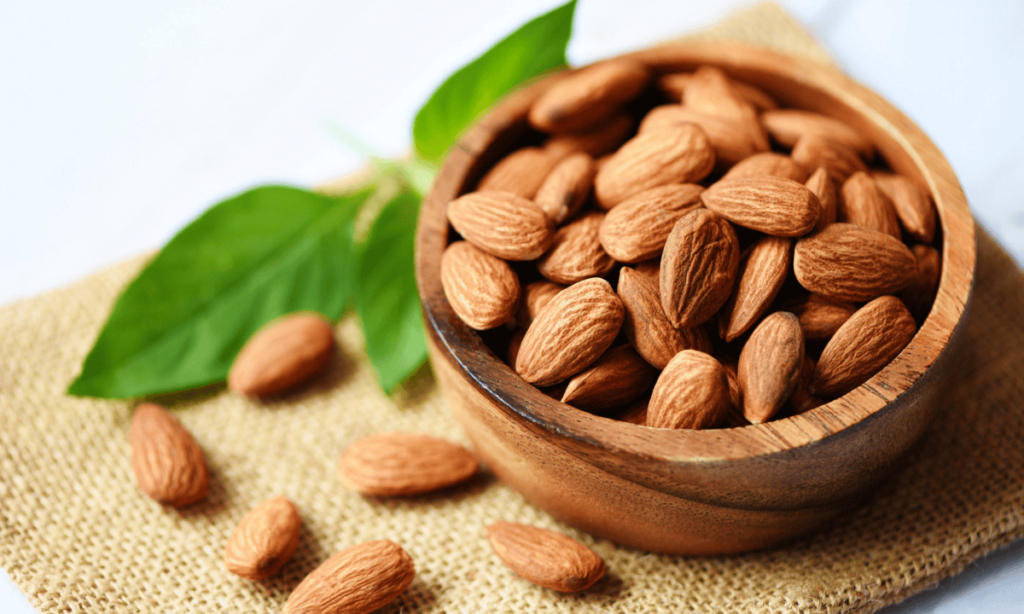
Almonds give about 21 grams of protein per 100 grams. They also supply fibre, unsaturated fats, vitamin E and magnesium. Roasting gives them a sweet, nutty flavour that works in smoothies and porridge.
The catch is calories, since almonds are rich in fat. A powder made from whole almonds therefore gives less protein per scoop than an isolate. Almonds are also a tree nut, so they are unsuitable for anyone with a tree nut allergy.
Almond is a core ingredient in both Sheer MADness blends. I like it because the flavour is mild and the texture is smooth.
Dry lentils give around 24 to 26 grams of protein per 100 grams. They also bring fibre, iron and folate. Roasted chana flour, known as sattu, gives about 20 grams per 100 grams and has been part of Indian kitchens for generations.
Sattu is cheap, filling and easy to mix with water, salt and lemon or jaggery. Chickpea flour works in chilla, shakes and soups. Both suit people who want a low-cost, traditional option.
However, legumes contain fermentable carbohydrates, and these can cause gas in some people. Start with small portions and soak or roast them well. Our post on gas and plant protein explains why.
Chickpeas give about 19 to 22 grams of protein per 100 grams when dry. Chickpea protein isolates also exist, and they are more concentrated. The flavour is mild and slightly beany.
Chickpea works well with almond or seeds. Chickpeas are higher in lysine than many cereals, and almonds add other amino acids. As a result, the pair covers many gaps.
Digestion varies. Some people tolerate chickpea well, while others feel bloated. If you are one of them, begin with a half serving.
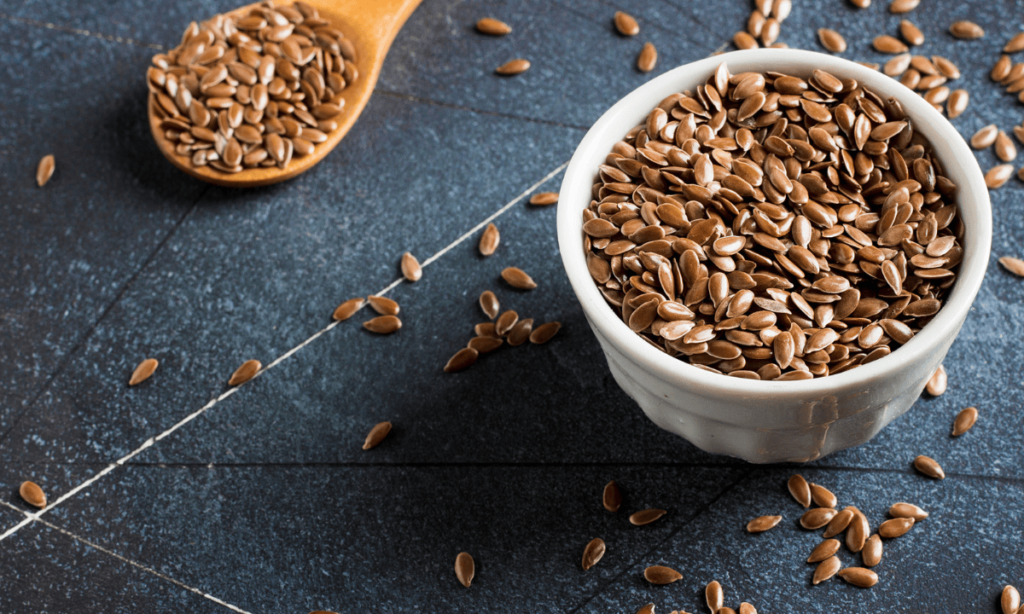
Flaxseed gives about 18 grams of protein per 100 grams. It is also rich in fibre and in alpha-linolenic acid, a plant omega-3 fat. It contains lignans, which are plant compounds under active study.
Grind flaxseed before eating it, because whole seeds often pass through undigested. Store ground flax in a cool, dark place, since the oils turn rancid. Roasting improves flavour.
I will not claim that flaxseed prevents or treats any disease. The research is interesting but still developing. Flaxseed is a good food, and that is all I will say.
Chia seeds give about 17 grams of protein per 100 grams. They are rich in fibre and omega-3 fats, and they absorb water to form a gel. This makes them perfect for puddings and thick shakes.
Always soak chia before eating it, especially if you have trouble swallowing. Dry chia swells in the throat. Start with a teaspoon, and increase slowly.
Chia is not a high-protein powder. Instead, it is a fibre-rich addition that helps you feel full.
Sesame gives about 18 grams of protein per 100 grams. It is also a good source of calcium, magnesium and healthy fats. In India, til has long been used in laddoos, chikki and chutneys.
Sesame is a recognised allergen in many countries, so check labels carefully. Roast the seeds lightly and grind them fresh for the best flavour. Tahini, a paste of ground sesame, mixes well into dressings and shakes.
Pumpkin seeds are among the best seeds for protein, at roughly 30 grams per 100 grams. Pumpkin seed protein powders are more concentrated, often around 60 grams per 100 grams. They also supply zinc, magnesium and iron.
The flavour is earthy and slightly green. Many people mix them with fruit or cocoa. Quality and price vary, so check the label and the source.
Sunflower seeds give about 20 to 21 grams of protein per 100 grams. They are rich in vitamin E, magnesium and healthy fats. Sunflower protein flour is also available.
The seeds are a pantry staple and easy to find. Their protein is somewhat low in lysine, so combine them with legumes. Roasted and ground, they add a mild, nutty flavour to baking.
Hemp seeds give about 30 grams of protein per 100 grams, and hemp protein powder gives around 30 to 50 grams. The seeds carry omega-3 and omega-6 fats and plenty of fibre. Hemp protein is often described as complete or close to it.
The taste is earthy, and the texture is gritty. Hemp food products are regulated in India, so buy only from licensed sellers who declare their source. Check local rules and labels.
Sacha inchi is a seed from South America, also called the Inca peanut. It gives around 25 to 27 grams of protein per 100 grams in the seed, and it is rich in omega-3 fats. Some analyses report a good amino acid balance.
Availability in India is limited, and the price is high. Furthermore, independent evidence is thinner than for almonds or soya. I treat it as an interesting extra and not as a staple.
Spirulina and chlorella are algae. Dried spirulina gives roughly 55 to 60 grams of protein per 100 grams, though a daily serving is only a few grams. They also supply iron and antioxidant pigments.
The flavour is strong and earthy, so most people use only a teaspoon in a smoothie. Quality matters, because algae grown in poor water can pick up contaminants. Buy from a seller that shares batch test reports.
Algae contain iodine, so people with thyroid conditions should ask a doctor first. Pregnant women and people on prescription medicines should do the same. A small amount is enough for most people.
| Source | Approx. Protein per 100 g | Key Extras | Watch Out For |
|---|---|---|---|
| Almond | About 21 g | Vitamin E, magnesium, fibre | Tree nut allergy; calories |
| Lentils (dry) | About 24 to 26 g | Iron, folate, fibre | Gas in some people |
| Sattu | About 20 g | Cheap, traditional | Legume sensitivity |
| Chickpea | About 19 to 22 g | Fibre, folate | Bloating |
| Flaxseed | About 18 g | Fibre, plant omega-3 | Grind it; rancidity |
| Chia | About 17 g | Fibre, omega-3 | Soak before eating |
| Sesame | About 18 g | Calcium, magnesium | Allergen |
| Pumpkin seed | About 30 g (seed); about 60 g (powder) | Zinc, magnesium | Price; taste |
| Sunflower seed | About 20 to 21 g | Vitamin E | Lower lysine |
| Hemp seed | About 30 g (seed); 30 to 50 g (powder) | Omega-3 and omega-6, fibre | Gritty; regulations |
| Spirulina | About 55 to 60 g | Iron, pigments | Iodine; contaminants |
These values are approximate and vary by brand and batch. Always read the nutrition panel on the pack.
No single plant is perfect, so blends can cover each other’s gaps. For example, almond and flaxseed give fats and fibre along with protein. Adding chickpea or lentil raises lysine. Pairing seeds with legumes supports a better amino acid balance.
I use this idea in our own powders, but at a food level and not as a lab claim. I cannot give you a full amino acid profile until I have a proper test report. Hence, I say only that variety helps, and I leave the numbers to the label.
A well-designed blend also tastes better. A little cocoa, cardamom or jaggery can balance earthy seeds. That makes daily use more pleasant.
Isolates strip away most of the fibre and fat, leaving concentrated protein. Whole-food powders keep everything. As a result, isolates win on protein per scoop, while whole foods win on nutrients and simplicity.
Neither is wrong. If you need 25 grams of protein in one scoop, a pea or soya isolate is efficient. If you want a snack with fibre and fats, a whole-food blend fits better. We compare the two in What is vegan protein isolate?
I can also ask a fair question about labels. Some brands list ingredients you cannot pronounce. Others list foods you recognise. You decide what you prefer, and our guide on the best plant protein in India gives a buying checklist.
Our Chocolate powder contains roasted almond, roasted flaxseed, cocoa powder, dark chocolate and turmeric. Our Moringa powder contains moringa leaf, almond, flaxseed, turmeric and cardamom. Both are vegan, sieved and vacuum packed.
We use no protein isolate and no anti-caking agent. The dark chocolate uses cocoa solids and a small amount of jaggery, with no refined sugar. Every ingredient has appeared on the front of the pack since 2021.
Here are the limits. Our Moringa blend gives about 7.5 grams of protein per 25 gram serving, which is less than an isolate shake. Both powders contain almonds, so they are unsuitable for tree nut allergy. They also carry calories and fibre, so start with a half serving.
Stir a spoonful of ground seeds into curd, oats or ragi porridge. Blend a whole-food powder with milk, banana and ice for a quick shake. Add sattu to water with salt and lemon for a cooling summer drink.
Rotate sources through the week. For example, use almond and flax on Monday, chana on Tuesday and sesame in a chutney on Wednesday. This keeps meals interesting and spreads the nutrients around. For recipe ideas, see our Desi Protein Shake recipe.
Most healthy adults tolerate these foods well. However, people with nut, seed, sesame or legume allergies should avoid the matching products. Always read allergen declarations.
People with kidney or thyroid conditions, pregnant and breastfeeding women, and those on prescription medicines should ask a doctor first. Children are best served by food, and a paediatrician should guide any supplement.
Check for an FSSAI licence, batch number and expiry date. Ask sellers for test reports on heavy metals, especially for seed and algae powders. Our post Is plant protein safe? explains each step.
Almonds, seeds such as pumpkin, sunflower, sesame, chia, flax and hemp, chickpeas, lentils, sattu and algae are all options. Each has its own strengths and limits.
Dried spirulina and pumpkin seed or hemp protein powders give the most per 100 grams. Whole nuts and seeds give less but bring fibre and fats.
Hemp and buckwheat are often described as complete, and soya is complete. Most others are lower in one amino acid, so variety across the day fills the gap.
It can help as a snack, but it gives less protein per scoop than an isolate. After hard sessions, pair it with other protein foods.
Avoid any product that contains your allergen. Check the label, and ask your doctor about safe alternatives such as seed-based powders.
They can in some people, especially legume-based ones. Start with a small serving and increase slowly.
Not always. Dal, curd, paneer, eggs, soya chunks and sattu can meet most needs. A powder is a convenient top-up.
So, what lies beyond soya and peas? Almonds, seeds, chickpeas, lentils, hemp and algae all offer real nutrition, with different strengths. None is perfect, so variety and blends make the most sense.
Honest advice means matching the source to your goal, your digestion and your allergies. Use isolates when you need concentrated protein, and use whole-food powders for fibre and simplicity. See a doctor if you have a health condition.
I built Sheer MADness powders from whole roasted almond and flaxseed, with turmeric and either cocoa with dark chocolate or moringa with cardamom. You can see every ingredient on the front of the pack before you buy. Try Plant Protein Chocolate or Plant Protein Moringa as a simple, varied addition to your day.
a) Everyone is an individual, so what suits me may or may not suit the next person.
b) If a person has a medical condition, a doctor’s advice and prescribed medication come first.
c) While buying any protein powder from the market, read the labels carefully. Watch out for codes and words such as anti-caking agent and INS 551, also known as silicon dioxide. These are laboratory-made additives, and although regulators approve them, it is fair to ask whether you want them in your daily scoop. Hence, read the ingredient list of every product before buying.
If you are interested in buying natural vegan protein powder, health drinks for kids, or our energy bars and protein bars, shop at Sheer MADness.
One can also buy our Products From Flipkart, Jio Mart or ONDC in India.
d) Exercise is the key to fitness. Exercise and nutrition are two sides of the same coin, and nutrition alone will not help you reach your goals without movement.
e) Excess of anything is wrong. Even the best nutrient-filled superfood should be consumed only in recommended quantities.
f) Regarding health, fitness and nutrition, remember that Rome was not built in a day. Your discipline and consistency are the key.
g) Good nutrition depends on many factors, including your food, gut health, sleep, stress, genetics and lifestyle. Exercise and nutrition are within our control, so focus on these two first.
h) The most important part of fitness is that nothing is better than exercise and a balanced meal.
Disclaimer: Our products are a source of nutrients and are made from whole foods.
We do not claim to cure any medical condition.
The content provided is informational. We do not claim to diagnose or treat a person with any specific medical condition.