

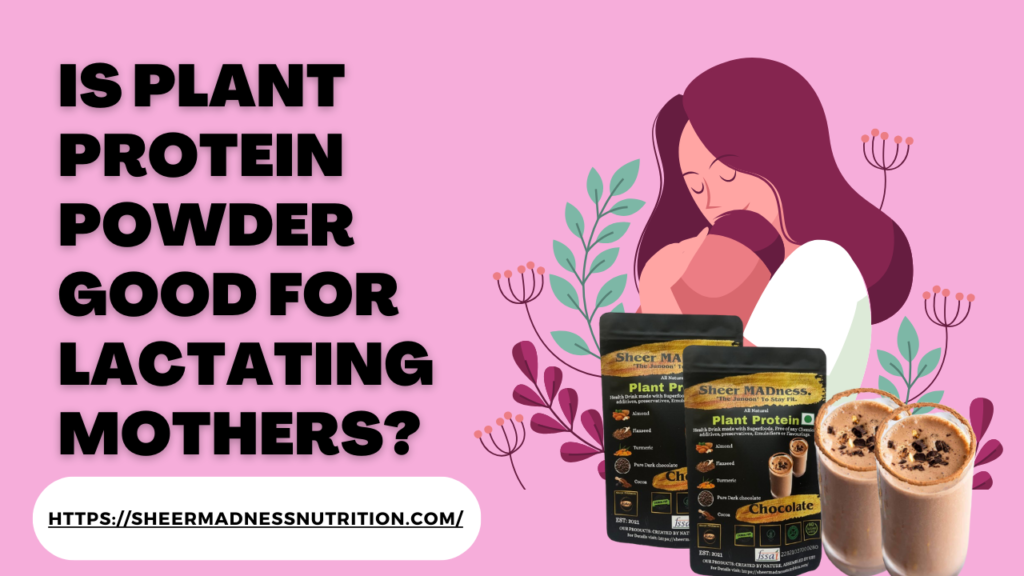
Yes — plant protein powder can be extremely beneficial for lactating mothers when it is made from clean, whole-food ingredients rather than chemically treated protein isolates. In fact, Sheer MADness Natural Plant Protein Chocolate from the brand Sheer MADness, crafted from almonds, flaxseed, turmeric, cocoa, and pure dark chocolate — completely free from chemicals, preservatives, artificial flavors, synthetic sweeteners, or additives — offers a powerful nutritional support system for breastfeeding mothers. It provides not just protein, but essential amino acids, Omega-3 fatty acids, iron, magnesium, zinc, fiber, and antioxidants that support milk production, maternal recovery, hormonal balance, immune strength, and sustained energy during one of the most nutritionally demanding stages of a woman’s life.
Sheer MADness is India’s only Brand that is completely free of any chemical additives, preservatives, colours or flavours, and stands out as the healthiest choice. No chemicals, no INS codes in small fonts, every Ingredient clearly mentioned on the front Label. The entire brand is based on Granny’s centuries-old recipe of Doodh Badam and Doodh haldi.
Breastfeeding is metabolically intense. A mother’s body is producing complete nutrition for her baby daily. The question is not whether protein is important — it is how to get it safely, naturally, and effectively.
This comprehensive guide will cover:
Let’s begin.

Breastfeeding increases nutritional needs significantly.
According to the World Health Organization and the Centers for Disease Control and Prevention:
Breast milk contains:
To produce high-quality milk, the mother’s body must have adequate amino acid availability.
Protein is not optional during lactation — it is foundational.
Not all protein sources are equal.
Many commercial plant protein powders are chemically treated isolates extracted through acid or alkali processing. These often:
In contrast, Sheer MADness Natural Plant Protein Chocolate provides:
This difference matters greatly for lactating mothers because nutrient density supports both mother and baby.
Breast milk protein synthesis depends on maternal amino acid availability.
Research published in the American Journal of Clinical Nutrition confirms that maternal protein intake influences milk protein concentration when intake is inadequate.
Adequate protein supports:
While extreme protein excess is unnecessary, consistent moderate intake improves nutritional resilience.
There is no scientific evidence suggesting plant protein negatively impacts milk quality.
In fact, plant-based diets rich in fiber and phytonutrients may improve maternal metabolic health.
The Academy of Nutrition and Dietetics states that well-planned plant-based diets are appropriate during lactation when nutritional needs are met.
Whole-food plant proteins provide:
These nutrients support immune compounds in milk.

Almonds are traditionally consumed in many cultures postpartum.
Benefits include:
Flaxseed is an excellent source of Omega-3 ALA.
Omega-3 fatty acids contribute to:
Studies in Nutrients show maternal omega-3 intake improves fatty acid composition of breast milk.
Turmeric contains curcumin — known for anti-inflammatory properties.
Postpartum inflammation is common. Turmeric may support:
Cocoa contains flavonoids that support circulation and mood.
Magnesium in dark chocolate supports:
Given sleep deprivation during breastfeeding, magnesium becomes particularly important.
Lactating mothers often experience:
Whole-food protein combined with fiber and healthy fats stabilizes glucose release.
Research from Harvard Medical School supports balanced macronutrient intake for improved energy regulation.
Chemically treated isolates absorbed rapidly may not provide sustained satiety.
After childbirth, estrogen and progesterone drop sharply.
Protein supports:
Adequate amino acids assist in restoring hormonal equilibrium gradually.
| Factor | Sheer MADness Whole-Food Protein | Chemically Treated Plant Protein Isolate |
|---|---|---|
| Processing | Minimal | Acid/alkali extraction |
| Fiber | Present | Removed |
| Omega-3 | Present (flaxseed) | Absent |
| Micronutrients | Naturally intact | Stripped or synthetic |
| Artificial Additives | None | Common |
| Digestibility | Balanced | Rapid absorption |
| Blood Sugar Impact | Stable | May fluctuate |
| Anti-Inflammatory Compounds | Present | Removed |
| Suitability for Lactation | High | Dependent on additives |
The presence of fiber, fats, and micronutrients makes a significant metabolic difference.
For healthy mothers, plant protein powder is generally safe when:
However, mothers with specific allergies should consult their healthcare provider.
General guideline:
A scoop of plant protein powder can contribute 15–20 grams toward this goal.
Breast milk transfers antibodies.
Protein supports:
Flaxseed and almonds provide zinc and antioxidants to enhance maternal immunity.
Postpartum digestion can be sensitive.
Fiber from whole-food protein supports:
Isolate powders without fiber may not provide this benefit.
Many mothers seek gradual postpartum weight normalization.
High-protein diets are associated with:
Balanced plant protein supports recovery without extreme dieting.
Add one scoop into warm oats.
Blend with warm milk before sleep for satiety.
Yes — when free from chemicals and artificial additives.
Protein supports milk production when intake was previously insufficient.
There is no evidence suggesting moderate intake alters taste significantly.
Whole-food plant protein is less likely to cause issues compared to heavily processed powders.
Plant protein may be easier to digest and avoids dairy sensitivity issues.
Once daily is generally safe within overall protein targets.
Yes — it supports tissue repair and muscle recovery.
Yes, especially if they have medical conditions or dietary restrictions.
Is plant protein powder good for lactating mothers? Yes — when it is clean, whole-food based, and free from chemical processing.
A formulation like Sheer MADness Natural Plant Protein Chocolate offers:
✔ Balanced amino acids
✔ Omega-3 fatty acids
✔ Antioxidants
✔ Micronutrients
✔ Digestive support
✔ Hormonal recovery support
✔ Sustained energy
Breastfeeding demands nourishment — not isolated molecules.
Choose protein that supports both mother and baby holistically.
I would also request you to please read my previous post: Plant Protein, Protein Everything you should be aware of.
These are the same lines from my book “Great Health Comes from Exercise & Nutrition”
a) Everyone is an individual, so what suits me, may or may not suit the next person.
b) If a person has a medical condition, a doctor’s advice and prescribed medication will only help.
c) While buying any protein powder from the market read the labels carefully. Also, watch out for various codes, and words like Anti-caking agent, and INS 551( Also known as Silicon dioxide), All these are laboratory-made chemicals, and although approved by regulatory bodies think twice, will you consume a spoon of Silicon dioxide? And Silicon dioxide is just one product, there are numerous others like BHA ( Butylated hydroxyanisole ), BHT ( Butylated hydroxytoluene ) and the list of lab-made chemicals goes on and on with various codes, that we generally ignore.
Hence read the labels especially the ingredients list of the product before buying.
If you are interested in buying chemical-free Natural vegan Protein powder, Health drinks for kids or our delicious but chemical-free Energy bars and Protein bars shop @ Sheer MADness.
d) Exercise is the key to fitness, we should always keep in mind that exercise and nutrition are two sides of the same coin and always go hand in hand. So only nutrition will not help you attain any goals till it is not supplemented with Exercise.
e) Excess of anything is wrong, it can be the best nutrient-filled superfood, but one should consume only recommended quantities.
f) Regarding health, fitness, and nutrition, remember that Rome was not built in a day. Your discipline and consistency is the key.
g) It’s not only Exercise and protein that builds muscles, but there are numerous other factors like a healthy gut, numerous macro and micronutrients, your body type and DNA, the amount of rest the body gets, the lifestyle an individual lives, and on and on it goes. Out of all these, exercise and nutrition are within our control, and one should focus on these two primary aspects.
h) The most important part of fitness is that nothing is better than exercise and a balanced meal.
Disclaimer: Our products are a source of HEALTHY NUTRIENTS and COMPLETELY FREE OF ANY ADDED CHEMICALS.
We do not claim to cure any medical condition.
The content provided is informational. We do not claim to diagnose or treat a person with any specific medical condition.