

Direct answer: Yes, protein of any kind supports bone health. Plant protein does this safely when your diet also has enough calcium, vitamin D and total calories. Bone is about half protein by volume, so adequate protein helps build and maintain it. Plant protein does not drain calcium from the skeleton, which is an old and mostly outdated worry.
However, a protein powder is not a calcium supplement, so calcium-rich foods, sunlight and exercise still do the heavy lifting.
I am Chef Ashutosh Awasthi, founder of Sheer MADness, professional chef, marathon runner and author of Great Health Comes from Exercise & Nutrition. Running long distances taught me that strong bones are built quietly over decades, one meal and one workout at a time. This post is part of my complete guide, Plant Protein, Protein Everything you should be aware of.
For moringa-specific questions, read Can moringa protein increase bone density? This page looks at plant protein in general.
Bone is living tissue that your body keeps rebuilding. Special cells break down old bone, and other cells lay down new bone. Through childhood and the teens, building wins, and bone mass peaks somewhere in the late twenties or early thirties.
After that, the balance slowly tips. Women lose bone faster after menopause, because falling oestrogen speeds up breakdown. Men lose bone too, though more gradually.
Osteoporosis means bones that are thin and fragile, so they break easily. Doctors diagnose it with a bone density scan, often called a DEXA scan. Nothing you read online replaces that test.
Protein forms the soft framework of bone, mainly collagen. Minerals such as calcium and phosphate then harden this framework. Without enough protein, the framework weakens, however much calcium you eat.
Protein also supports the muscles that load your bones. Strong muscle pulls on bone and encourages it to stay dense. In older adults, low protein intake goes hand in hand with muscle loss, falls and fractures.
Protein affects calcium handling as well. Adequate protein helps the gut absorb calcium and raises levels of growth factors such as IGF-1. These factors support bone building.
For years, people believed that protein makes the blood acidic and that the body pulls calcium from bone to neutralise it. Eating a lot of protein does increase calcium in the urine. Researchers once feared this meant bone loss.
Larger reviews have since changed the picture. Meta-analyses of trials and cohort studies find no harm from higher protein, and they often find a small benefit for bone density. The extra calcium in urine seems to come from better absorption in the gut and not from the skeleton.
The “alkaline diet” idea belongs to the same story. Fruits and vegetables do reduce the body’s acid load, which is good for general health. Even so, the claim that alkaline foods build bone or prevent osteoporosis is not proven, and I will not make it.
Studies on this question have mixed results. Some large cohorts find equal benefits from plant and animal protein. Others find that animal protein associates with slightly better bone density, while some find the reverse.
Context explains part of the confusion. People who eat plant protein often eat more fruits and vegetables, which supply potassium, magnesium and vitamin K. People who eat mostly plant foods may also eat less calcium, less vitamin B12 and less total protein.
One large study of British adults, called EPIC-Oxford, found that vegans had a higher risk of fractures than meat eaters. Researchers linked this to lower calcium and protein intake and a lower body weight. The lesson is clear. A plant-based diet protects bones only when you plan it well.
Soya contains isoflavones, plant compounds that act weakly like oestrogen. Some meta-analyses show a modest improvement in bone density in postmenopausal women who eat soya. Other analyses find little effect.
The overall picture is that soya foods help a little and do no harm. Tofu set with calcium, soya milk fortified with calcium and tempeh all add protein and minerals. Whole soya foods suit most people better than extracts.
Women past menopause should talk with their doctor about bone health in a broader way. Diet alone does not replace medicines when they are needed. Our post on Is vegan protein good for women’s health and hormones? covers the hormone side.
Calcium is the main mineral in bone. Adults in India need around 1,000 mg a day according to national guidance, and many eat far less. Milk, curd, paneer, ragi, sesame, set tofu, fortified plant milks and some leafy greens supply it.
Vitamin D allows you to absorb calcium. Sunlight is the main source, yet low vitamin D is very common in India despite the sun. A blood test tells you your level, and your doctor can advise on supplements if you need them.
Magnesium, potassium and vitamin K also matter. Nuts, seeds, whole grains, pulses, fruit and green vegetables supply them. Meanwhile, too much salt increases calcium loss in urine, so keep salt modest.
Almonds contain roughly 260 mg of calcium per 100 grams. Flaxseed contains around the same amount, and cocoa powder somewhat less. Dried moringa leaf is very rich in calcium by weight.
A serving of powder, however, uses only a small amount of these foods. The calcium it adds is real but small compared with a glass of milk, a bowl of curd or a ragi meal. For this reason, I do not call our powders a source of calcium.
Seeds and nuts also contain phytates and oxalates, which reduce how much calcium your body absorbs. Roasting, soaking and sprouting help a little. Even so, the sensible approach is to get most of your calcium from dedicated food sources.
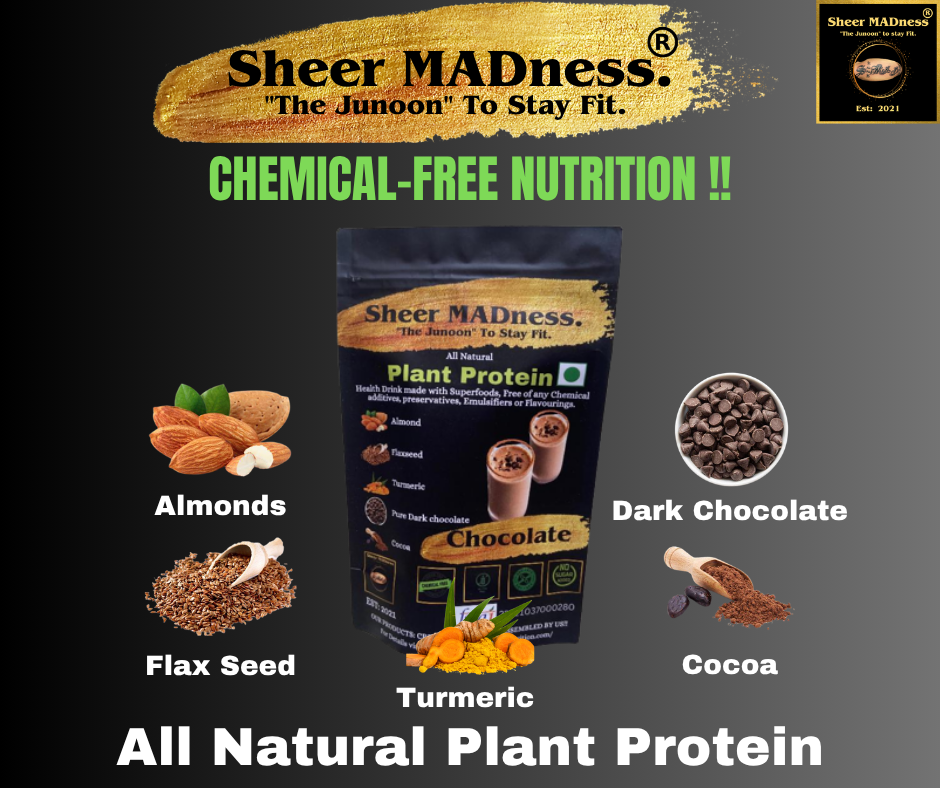
Our Chocolate powder contains roasted almond, roasted flaxseed, cocoa powder, dark chocolate and turmeric. Our Moringa powder contains moringa leaf, almond, flaxseed, turmeric and cardamom. Both are vegan, sieved and vacuum packed.
These powders add protein, minerals and healthy fats to a meal. They do not replace calcium-rich foods, vitamin D or exercise. We make no claim that they raise bone density or prevent fractures.
A simple pairing works well. Stir a serving into milk, curd or fortified soya milk, which adds calcium and protein together. Add a ragi roti or a handful of sesame chikki at another meal.
Healthy adults need at least 0.8 grams of protein per kilogram of body weight a day. Many experts suggest 1.0 to 1.2 grams for people over sixty-five, to protect muscle and bone. Your doctor or dietitian can fine-tune this number.
Spread protein across the day. Aim for 20 to 30 grams at each main meal, if your doctor agrees. Dal, curd, paneer, eggs, tofu, nuts and seeds, and powders can all contribute.
People with kidney disease should not raise protein without medical advice. Likewise, anyone on a prescribed diet should follow it. Do not guess in either case.
Bones respond to load. Walking, jogging, stair climbing, dancing and strength training all tell the skeleton to stay strong. Resistance exercise has the clearest evidence for bone density in adults.
Aim for at least 150 minutes of brisk activity each week. Add two strength sessions with weights, bands or body weight. Also practise balance exercises, because preventing falls prevents fractures.
Swimming and cycling are good for the heart but give less load to bones. If these are your main exercises, add some weight-bearing work as well. A short walk after meals counts too.
Breakfast sets the tone. Stir a serving of powder into a glass of milk or fortified soya milk, or into a bowl of curd with fruit. Alternatively, choose ragi dosa or ragi porridge, which carry more calcium than most grains.
Lunch and dinner can follow the plate method. Fill half with vegetables, add dal or tofu, and include a small portion of whole grain. A spoon of sesame chutney or a handful of greens boosts minerals further.
Snacks matter as well. Choose roasted sesame chikki, a handful of almonds, or a glass of buttermilk instead of biscuits. Finish the evening with a walk, ideally outdoors in daylight, so that your bones get both load and a little vitamin D.
Smoking and heavy alcohol use both reduce bone density. Very low body weight and crash dieting do the same. Long-term use of some medicines, such as steroids, also thins bone.
Too many fizzy drinks and very high caffeine intake may add to the problem when calcium intake is low. A cup or two of tea or coffee is fine for most people. Balance matters more than strict rules.
Long hours indoors cut vitamin D. Aim for sensible sun exposure on bare arms and legs for 15 to 20 minutes, a few times a week. Skin tone, season and city pollution change the amount you need, so test and ask your doctor.
Teenagers build bone faster than at any other time. They need regular meals with calcium, protein and vitamin D, plus lots of active play. I recommend food first for young people, and I do not advise protein powders for children without a paediatrician’s advice. Read more in Can children consume vegan protein powder?
Women need extra attention around pregnancy, breastfeeding and menopause. Calcium demands rise at these times, and doctors often advise supplements. Our guide on Is plant protein powder good for lactating mothers? explains the safety points.
Older adults benefit from adequate protein, strength training and a vitamin D check. Falls cause most fractures in later life, so balance and muscle matter greatly. See Is plant-based protein powder good for seniors? for practical tips.
See a doctor if you are over fifty, have had a fracture from a minor fall, or have lost height. Get advice too if you are postmenopausal, take steroids, have thyroid or kidney disease, or have a family history of osteoporosis. Ask about a bone density scan and a vitamin D test.
Doctors can prescribe medicines that slow bone loss or build bone. Calcium, vitamin D and protein support these medicines and do not replace them. Never stop a prescribed medicine because of an article you read online.
Both of our powders contain almonds, so they are unsuitable for people with a tree nut allergy. Always read the label. Also tell your doctor about every supplement you take.
| Factor | What the Evidence Shows | How Strong |
|---|---|---|
| Adequate protein | Supports bone density and muscle; no harm to bones | Moderate to strong |
| Plant versus animal protein | Similar overall; context matters | Mixed |
| “Alkaline diet” for bones | Not proven to prevent osteoporosis | Weak |
| Soya isoflavones | Small benefit in some postmenopausal women | Limited to moderate |
| Calcium and vitamin D | Essential for bone strength | Strong |
| Weight-bearing and strength exercise | Improves or maintains bone density | Strong |
| Poorly planned vegan diet | Higher fracture risk in one large cohort | Moderate, observational |
Yes, protein of any kind supports bone health. Plant protein works well when your diet also supplies enough calcium, vitamin D and total calories.
No good evidence shows that protein powder causes bone loss. Large reviews find that higher protein intake is neutral or slightly helpful for bones when calcium intake is adequate.
Both supply the amino acids that bone needs. The difference depends on the rest of your diet, especially calcium, vitamin D and total protein. Whey from milk comes with some calcium, while plant powders vary.
Yes, with planning. Choose calcium-set tofu, fortified plant milks, ragi, sesame and leafy greens such as kale. Ask your doctor whether you need a supplement as well.
Protein supports bone health, but it cannot treat osteoporosis. Diagnosis and treatment belong to your doctor. Diet and exercise act as support.
Food comes first for children. Milk, curd, ragi, pulses and play build strong bones. Ask a paediatrician before giving any supplement.
Almonds have more calcium per 100 grams, yet people eat far less of them. A glass of milk usually provides more calcium per serving than a handful of almonds.

So, is plant protein good for bones? Yes, as part of a complete plan. Protein builds the framework, calcium and vitamin D harden it, and exercise tells your bones to stay strong.
Honest advice means admitting that a powder is only one small piece. Eat calcium-rich foods, get your vitamin D checked, lift something heavy twice a week and see your doctor if you have risk factors.
I built Sheer MADness powders from whole roasted almond and flaxseed, with turmeric and either cocoa with dark chocolate or moringa with cardamom. You can see every ingredient on the front of the pack before you buy. Try Plant Protein Chocolate or Plant Protein Moringa stirred into milk or curd.
a) Everyone is an individual, so what suits me may or may not suit the next person.
b) If a person has a medical condition, a doctor’s advice and prescribed medication come first.
c) While buying any protein powder from the market, read the labels carefully. Watch out for codes and words such as anti-caking agent and INS 551, also known as silicon dioxide. These are laboratory-made additives, and although regulators approve them, it is fair to ask whether you want them in your daily scoop. Hence, read the ingredient list of every product before buying.
If you are interested in buying natural vegan protein powder, health drinks for kids, or our energy bars and protein bars, shop at Sheer MADness.
One can also buy our Products From Flipkart, JioMart, or ONDC in India.
d) Exercise is the key to fitness. Exercise and nutrition are two sides of the same coin, and nutrition alone will not help you reach your goals without movement.
e) Excess of anything is wrong. Even the best nutrient-filled superfood should be consumed only in recommended quantities.
f) Regarding health, fitness and nutrition, remember that Rome was not built in a day. Your discipline and consistency are the key.
g) Bone health depends on many factors, including calcium, vitamin D, hormones, body weight, medicines, genetics and exercise. Exercise and nutrition are within our control, so focus on these two first.
h) The most important part of fitness is that nothing is better than exercise and a balanced meal.
Disclaimer: Our products are a source of nutrients and are made from whole foods.
We do not claim to cure any medical condition.
The content provided is informational. We do not claim to diagnose or treat a person with any specific medical condition.