
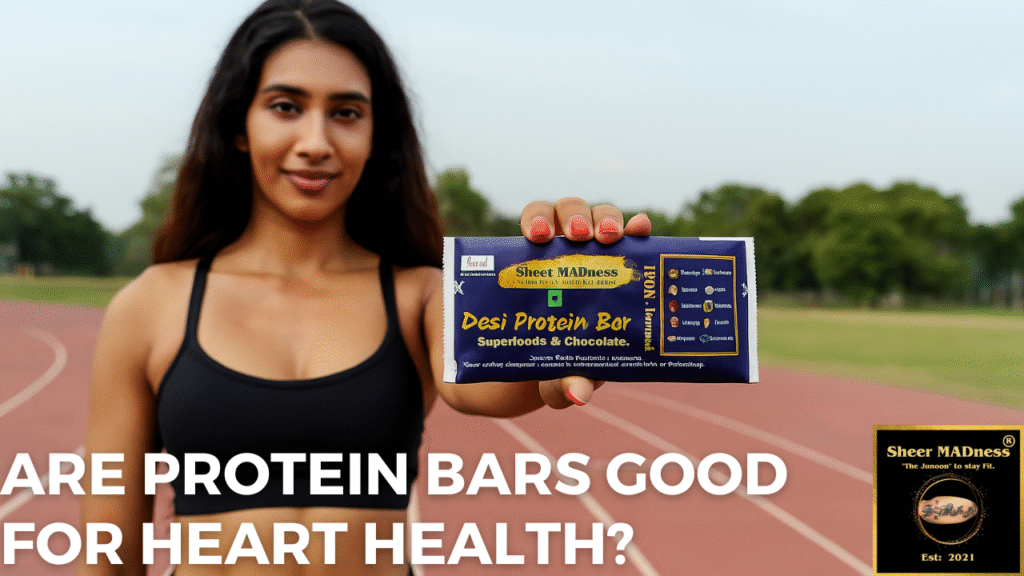
Direct answer: Protein bars can be genuinely good for heart health — but only when built from whole foods that deliver the specific nutrients the cardiovascular system needs. Bars containing oat beta-glucan, flaxseed omega-3, almonds, dark chocolate, and natural sweeteners with fibre actively support heart health through multiple researched mechanisms. Bars built on refined sugar syrups, erythritol, and chemical preservatives like BHT actively harm it — often silently and cumulatively over months of daily consumption.
The India-specific context makes this question more urgent than it might first appear. India carries the world’s highest cardiovascular disease burden — responsible for approximately 28 percent of total deaths — with heart disease onset occurring 10 to 15 years earlier in Indian adults than in Western populations. Every food choice a health-conscious Indian adult makes daily has genuine cardiovascular stakes.
I’m Chef Ashutosh Awasthi, founder of Sheer MADness, professional chef, marathon runner, and author of Great Health Comes from Exercise & Nutrition. I transformed my own cardiovascular health in my forties through real-food nutrition and consistent exercise. Let me explain the heart health science behind protein bars honestly and specifically.
The Global Burden of Disease study identifies India as the country with the highest absolute number of cardiovascular disease deaths globally. Indian adults experience their first heart attack on average at age 53 — a full decade earlier than Western counterparts.
Four primary dietary factors drive this elevated cardiovascular risk in Indian adults. Excessive refined carbohydrate consumption from white rice and refined wheat drives insulin resistance and triglyceride elevation. Low dietary fibre intake from declining pulse and whole grain consumption reduces the cholesterol-clearing mechanisms that fibre provides. Low omega-3 intake from fish-avoiding vegetarian diets leaves inflammatory pathways insufficiently modulated. High processed food consumption exposes the cardiovascular system to daily chemical additives associated with endocrine disruption and arterial inflammation.
A daily protein bar consumed for “health” that contains maltitol, BHT, refined glucose syrup, and no fibre addresses none of these four drivers — and potentially worsens some of them. A daily protein bar built on oat beta-glucan, flaxseed omega-3, almonds, and natural sweeteners addresses all four simultaneously.
This is the cardiovascular framing that matters for choosing the right bar.
The cardiovascular system requires specific nutritional support to function optimally and resist disease. Understanding these requirements shows exactly why ingredient quality in a daily snack matters.
LDL cholesterol — low-density lipoprotein — is the primary driver of atherosclerotic plaque that narrows arterial walls and increases heart attack and stroke risk. Dietary interventions that reduce LDL are among the most impactful cardiovascular health improvements available through food.
Oat beta-glucan is one of the few dietary compounds with a formal health claim approved by the European Food Safety Authority and the US FDA for LDL cholesterol reduction. Multiple randomised controlled trials confirm that 3 grams of beta-glucan daily reduces LDL cholesterol by 5 to 10 percent. Almonds reduce LDL through their healthy monounsaturated fats and antioxidant Vitamin E. Flaxseed lignans and ALA omega-3 reduce LDL through complementary mechanisms.
Sheer MADness bars deliver oat beta-glucan, almonds, and flaxseed in every bar — three separate LDL-reducing whole-food ingredients simultaneously.
Elevated triglycerides — blood fat levels — are a specific cardiovascular risk factor highly prevalent in Indian adults due to the carbohydrate-heavy, fibre-poor nature of typical Indian diets.
Omega-3 fatty acids from flaxseed reduce triglycerides through their influence on VLDL production in the liver. A 2024 meta-analysis published in Nutrients on ALA and cardiovascular health confirmed that dietary ALA significantly reduces fasting triglyceride levels. Dietary fibre from oats, flaxseed, and almonds slows carbohydrate absorption — reducing the postprandial triglyceride surge that refined carbohydrate-heavy meals produce.
Hypertension affects approximately 28 percent of Indian adults and is the leading single risk factor for cardiovascular mortality. Potassium specifically counteracts the blood-pressure-raising effect of sodium — and most Indian diets are low in potassium relative to sodium.
Dates provide potassium at approximately 696 milligrams per 100 grams. Raisins contribute additional potassium. Almonds add magnesium — which relaxes smooth muscle in arterial walls and directly reduces blood pressure. Together, these three whole-food sources in Sheer MADness bars provide a meaningful daily potassium and magnesium contribution that specifically supports blood pressure regulation.
Chronic low-grade arterial inflammation is the mechanism through which atherosclerotic plaque develops and ruptures. Reducing inflammatory markers — specifically C-reactive protein, TNF-α, and IL-6 — is a primary cardiovascular protective strategy.
Flaxseed ALA omega-3 reduces these inflammatory markers through anti-inflammatory lipid mediator pathways. A 2023 review published in the American Journal of Clinical Nutrition confirmed that higher ALA intake is associated with lower C-reactive protein levels. Dark chocolate epicatechin flavonoids reduce arterial inflammation and improve endothelial function — the ability of arterial walls to relax and dilate appropriately. These are genuine, specific, researched cardiovascular mechanisms — not marketing language.
The link between chronic blood sugar instability and cardiovascular disease is one of the most consistent findings in cardiovascular nutrition research. Chronic insulin elevation from repeated blood sugar spikes promotes arterial inflammation, increases VLDL production, drives visceral fat accumulation, and reduces HDL (“good”) cholesterol — collectively creating the metabolic syndrome that drives most Indian cardiovascular disease.
Oat beta-glucan specifically prevents the blood sugar spikes that create this cardiovascular-damaging insulin pattern. Sattu’s low glycaemic index of 28 to 35 produces a minimal insulin response. Natural sweeteners from dates and jaggery arrive packaged with fibre that blunts their glycaemic impact. Together, the low-GI profile of Sheer MADness bars specifically protects against the insulin-cardiovascular damage pathway that most Indian adults face daily.
This is the section that most protein bar content omits — because it requires admitting that not all bars are cardiovascular-neutral, let alone cardiovascular-beneficial.
A landmark 2023 study published in Nature Medicine by Dr. Stanley Hazen and colleagues at the Cleveland Clinic found that high blood levels of erythritol — the sugar alcohol used as a sweetener in most “keto-friendly” and “zero sugar” protein bars — were associated with a significantly increased risk of major adverse cardiovascular events including heart attack and stroke.
The mechanism identified involves erythritol promoting platelet aggregation — the clumping of blood platelets that leads to blood clot formation. In people with existing cardiovascular risk factors — which describes a large proportion of Indian adults above forty — daily erythritol consumption from a protein bar consumed for “heart health” may represent a meaningful cardiovascular risk.
This research fundamentally changed the cardiovascular safety profile of erythritol-sweetened “healthy” bars. Sheer MADness uses no erythritol, no maltitol, no sugar alcohol of any kind.
BHA (INS 320) and BHT (INS 321) are synthetic antioxidant preservatives in most commercial protein bars. Both are classified as potential endocrine disruptors. Beyond their hormonal disruption effects, research has increasingly linked endocrine-disrupting compounds to cardiovascular risk through their effects on thyroid function, cortisol regulation, and inflammatory signalling.
The thyroid gland specifically regulates heart rate, cardiac output, and cholesterol metabolism. Endocrine-disrupting compounds that impair thyroid function indirectly impair all three cardiovascular functions. Daily BHA consumption from a bar consumed for health reasons is therefore directly counterproductive to the cardiovascular goal it is supposed to support.
Furthermore, BHT has been associated with increased oxidative stress in arterial tissue in animal research — the same oxidative mechanism that drives LDL oxidation and atherosclerotic plaque formation.
Many commercial bars contain glucose syrup, high-fructose corn syrup, or large amounts of refined sugar alongside or instead of sugar alcohols. The American Heart Association specifically limits added sugar to 24 grams daily for women and 36 grams for men — specifically because excess fructose drives hepatic triglyceride production, reduces HDL cholesterol, and promotes the arterial inflammation of metabolic syndrome.
A bar with 15 to 20 grams of refined sugar contributes 40 to 80 percent of the AHA daily limit in one serving — a daily cardiovascular burden from a snack marketed as healthy.
Many commercial bars use palm oil or coconut oil for texture — both high in saturated fat that raises LDL cholesterol. Sheer MADness bars use no added oil of any kind. The fat content comes entirely from the natural fats in almonds, flaxseed, pumpkin seeds, and melon seeds — all predominantly monounsaturated and polyunsaturated fats that support rather than impair cardiovascular health.
Sheer MADness Protein Bars and Energy Bars are built from eleven whole-food ingredients. Each earns its place specifically for its cardiovascular contribution.
Oat beta-glucan has the strongest evidence base of any dietary fibre compound for cardiovascular benefit. The European Food Safety Authority approved health claim for oat beta-glucan specifically states that it reduces blood LDL cholesterol — based on a body of evidence spanning more than 50 randomised controlled trials.
A 2024 Nutrients meta-analysis on oat beta-glucan and cardiovascular risk factors confirmed significant reductions in total cholesterol, LDL cholesterol, and fasting glucose with daily oat beta-glucan consumption. Three grams of beta-glucan per day — approximately what one Sheer MADness bar delivers alongside other fibre sources — produces clinically meaningful LDL reductions.
Furthermore, oat beta-glucan specifically reduces post-meal blood glucose and insulin spikes — directly addressing the insulin-cardiovascular risk connection that is especially important for Indian adults.
Flaxseed provides ALA omega-3, lignans, and soluble fibre — three separate cardiovascular protective compounds in one ingredient.
ALA omega-3 reduces triglycerides, reduces C-reactive protein, and improves endothelial function. A 2024 Nutrients meta-analysis confirmed ALA significantly reduces cardiovascular risk markers independent of EPA/DHA conversion. Flaxseed lignans reduce LDL cholesterol and reduce blood pressure through antioxidant mechanisms. Soluble fibre from flaxseed specifically reduces LDL by binding bile acids in the gut — preventing their reabsorption and forcing the liver to use LDL cholesterol to produce replacement bile acids.
Research published in the European Heart Journal confirmed that flaxseed consumption is associated with significant reductions in systolic and diastolic blood pressure — particularly in hypertensive individuals. This is a direct, specific, cardiologically relevant outcome from daily flaxseed consumption.
For Indian vegetarians who consume no fish — and therefore no direct EPA or DHA — flaxseed is the most practically important cardiovascular nutrition ingredient available. A daily bar containing meaningful flaxseed addresses the omega-3 gap in Indian vegetarian diets that directly contributes to elevated cardiovascular risk.
Almonds are among the most consistently recommended foods for cardiovascular health across major cardiology guidelines globally. Research published in the Journal of the American College of Cardiology confirmed that regular nut consumption — particularly almonds — is associated with a 29 percent reduction in cardiovascular disease risk.
The mechanisms are multiple. Monounsaturated fats reduce LDL while maintaining HDL. Vitamin E from almonds reduces LDL oxidation — the process through which LDL becomes inflammatory and deposits into arterial walls. Magnesium from almonds reduces blood pressure through smooth muscle relaxation. Prebiotic fibre from almonds supports the gut microbiome diversity associated with lower cardiovascular inflammatory markers.
Furthermore, almonds specifically reduce post-meal blood glucose spikes when consumed alongside carbohydrates — directly relevant in a bar that also contains natural carbohydrates from oats and dates.
Pure dark chocolate — not alkali-processed cocoa with synthetic emulsifiers, but genuine dark chocolate — is one of the most cardioprotective foods studied in modern nutrition research.
Epicatechin and catechin flavonoids in dark chocolate improve endothelial function — the ability of arterial walls to produce nitric oxide and dilate in response to blood flow demands. Research published in Cardiovascular Research confirmed that cocoa flavonoids reduce arterial stiffness, lower blood pressure, and reduce platelet aggregation — three separate cardiovascular protective mechanisms.
The magnesium in dark chocolate supports cardiac muscle function — the heart is a muscle, and magnesium deficiency is associated with arrhythmias and impaired cardiac contractility.
Sheer MADness bars use pure dark chocolate without alkali processing — preserving the full flavonoid content that makes dark chocolate cardioprotective.
Dates provide potassium at approximately 696 milligrams per 100 grams — alongside antioxidant flavonoids and carotenoids. Potassium directly counteracts sodium’s blood-pressure-raising effect through its influence on renal sodium excretion. Research published in the British Journal of Nutrition confirmed that date consumption reduces oxidative stress markers and improves arterial flexibility in human subjects.
The natural sugars in dates arrive packaged with 6 to 8 grams of fibre per 100 grams. This fibre blunts the blood glucose response to dates’ natural sugars — preventing the insulin spike that refined sugar at the same calorie content would produce.
Jaggery provides sweetness alongside iron, potassium, and magnesium — without the empty calories of refined sugar. Its phenolic compound content provides antioxidant activity. Its lower glycaemic index compared to refined sugar (approximately 84 versus 65 for refined sugar) — when consumed alongside the fibre and protein of the full bar — produces a gentler blood glucose response.
Iron from jaggery supports haemoglobin production and oxygen delivery — directly relevant to cardiac efficiency, since the heart works harder when haemoglobin-mediated oxygen delivery is impaired.
Sattu’s glycaemic index of 28 to 35 makes it one of the lowest-GI protein foods available in India. This means sattu-based protein triggers a minimal insulin response — directly protecting against the chronic insulin elevation that drives cardiovascular risk in most Indian adults.
Furthermore, sattu provides folate — a B vitamin that reduces homocysteine levels. Elevated homocysteine is an independent cardiovascular risk factor — it directly damages arterial walls and promotes thrombosis. Adequate folate intake specifically reduces homocysteine through the methionine cycle. Sattu’s folate contribution from a daily bar meaningfully supports this protective mechanism.
Zinc from pumpkin seeds supports the antioxidant enzyme superoxide dismutase — which protects cardiac tissue from the oxidative stress that drives cardiac damage. Magnesium from both seeds supports cardiac rhythm regulation — magnesium is a natural calcium channel blocker that prevents the irregular cardiac contractions associated with magnesium deficiency.
This section is specific to cardiovascular health and goes beyond the general “no chemicals” argument.
The cardiovascular system is specifically sensitive to chemical compounds that alter lipid metabolism, inflammatory pathways, and endothelial function. Endocrine-disrupting compounds like BHA and BHT specifically interfere with thyroid hormone regulation — and thyroid hormones directly regulate heart rate, cardiac output, and cholesterol metabolism. Daily BHT consumption from a commercial bar therefore has a direct, mechanistically specific cardiovascular effect.
Erythritol’s platelet aggregation effect — identified in the 2023 Nature Medicine study — is specifically concerning for Indian adults whose cardiovascular risk is already elevated. Adding a daily platelet aggregation promoter to a cardiovascular risk profile that is already higher than global averages is directly counterproductive to heart health goals.
Sheer MADness contains zero BHA, zero BHT, zero erythritol, zero maltitol, and zero synthetic additive of any kind. The cardiovascular system that consumes a Sheer MADness bar daily receives only the whole-food compounds — oat beta-glucan, flaxseed ALA, almond monounsaturated fats, dark chocolate flavonoids, potassium from dates — that cardiovascular research specifically endorses.

I want to share something personal here — because this topic is not abstract for me.
I transformed my cardiovascular health in my forties. My starting point was overweight, sedentary, and — though I didn’t know it at the time — with cardiovascular risk factors that the typical Indian male in his early forties accumulates silently. I had elevated triglycerides. My diet was inconsistent. My exercise was minimal.
The combination of consistent running training and whole-food nutrition — specifically the kinds of foods that go into Sheer MADness bars — produced measurable cardiovascular change. My triglycerides normalised. The resting heart rate dropped as cardiovascular fitness improved. My energy levels became consistent rather than spike-and-crash.
I understand the cardiovascular benefits of oats, almonds, flaxseed, dates, and dark chocolate not from textbooks but from the body that was rebuilt using them. This is not a claim that Sheer MADness bars treat cardiovascular disease. It is a statement that whole-food nutrition and exercise transformed my cardiovascular health — and that the same foods are in every bar I make.
A protein bar is one part of a cardiovascular nutrition strategy — not a standalone intervention. Here is how it fits into a complete heart-healthy approach.
One bar at mid-morning provides oat beta-glucan for LDL reduction, flaxseed omega-3 for anti-inflammatory cardiovascular protection, and potassium from dates for blood pressure support — delivered at the snacking window where most Indian adults would otherwise consume refined carbohydrate alternatives.
One bar at mid-afternoon prevents the blood sugar crash and subsequent refined carbohydrate craving that drives the insulin spikes most damaging to cardiovascular health across the day.
Combined with regular aerobic exercise, adequate sleep, stress management, and a diet rich in vegetables, pulses, and whole grains — a daily Sheer MADness bar contributes meaningfully to the cardiovascular protective nutritional pattern that the research consistently endorses.
Since 2021, Sheer MADness displays every ingredient with its own image on the front of every pack. For heart-health-conscious consumers — many of whom are reading ingredient labels more carefully than ever — this transparency is the most important verification available.
You see oats, almonds, sattu, flaxseed, pumpkin seeds, melon seeds, dates, raisins, jaggery, honey, and dark chocolate on the front before opening. Every cardiovascular-beneficial ingredient is visible. No chemical additive hides in an INS code. No erythritol sneaks in under a “natural sweetener” label.
Sheer MADness holds a registered trademark under the Government of India. The Natural Plant Protein formula is patent published under Patent No. 202331036733, searchable on Intellectual Property India. The brand holds a valid FSSAI licence and GSTIN registration.
| Feature | Sheer MADness | Typical Commercial Bar |
|---|---|---|
| LDL reduction | Yes — oat beta-glucan, almonds, flaxseed | Usually absent — no beta-glucan |
| Triglyceride support | Yes — flaxseed ALA, oat fibre | Often negative — refined sweeteners raise triglycerides |
| Blood pressure | Yes — potassium from dates, magnesium from almonds | Usually absent |
| Arterial inflammation | Yes — flaxseed omega-3, dark chocolate flavonoids | Often negative — BHA, BHT disrupt inflammatory pathways |
| Erythritol risk | Zero — no erythritol | Often present — linked to platelet aggregation |
| BHA and BHT | None | Common — endocrine disruption of thyroid and cardiac function |
| Insulin spike risk | Low — low GI sattu, oat beta-glucan | Often high — refined syrups and sugar alcohols |
| Saturated fat source | None — no added oil | Often palm or coconut oil |
| Natural sweeteners | Dates, jaggery, honey, raisins with fibre | Refined sugar, glucose syrup, sugar alcohols |
| Homocysteine support | Yes — folate from sattu | Usually absent |
| Front label transparency | Every ingredient named and pictured | INS codes in small print |
| Price per bar | ₹60 | ₹80 to ₹150 |
Are protein bars good for heart health?
Whole-food protein bars built on oat beta-glucan, flaxseed omega-3, almonds, dark chocolate, and natural sweeteners with fibre are genuinely good for heart health. They reduce LDL cholesterol, lower triglycerides, reduce arterial inflammation, and support blood pressure regulation. Commercial bars with erythritol, BHA, BHT, and refined sweeteners actively harm heart health through endocrine disruption, platelet aggregation, and insulin elevation.
Does oat beta-glucan in protein bars help the heart?
Yes — with strong evidence. The European Food Safety Authority and US FDA both recognise oat beta-glucan’s cholesterol-lowering health claim based on over 50 randomised controlled trials. Three grams of beta-glucan daily reduces LDL cholesterol by 5 to 10 percent. Sheer MADness bars deliver meaningful beta-glucan from whole oats in every bar.
Is flaxseed in protein bars good for the heart?
Yes. Flaxseed ALA omega-3 reduces triglycerides and C-reactive protein. Flaxseed lignans reduce LDL through bile acid binding. The soluble fibres in flaxseed reduces LDL further. Research in the European Heart Journal confirmed flaxseed consumption significantly reduces blood pressure. For Indian vegetarians who consume no fish, daily flaxseed from a bar is the most practical plant omega-3 cardiovascular intervention available.
When built on genuine dark chocolate without alkali processing or synthetic emulsifiers — yes. Epicatechin and catechin flavonoids in pure dark chocolate improve endothelial function, reduce arterial stiffness, lower blood pressure, and reduce platelet aggregation. Research in Cardiovascular Research confirmed these mechanisms specifically. Alkali-processed cocoa powder used in most commercial bars destroys a significant portion of these flavonoids.
Is erythritol in protein bars bad for the heart?
A 2023 Nature Medicine study by Cleveland Clinic researchers found high erythritol blood levels were associated with significantly increased risk of major adverse cardiovascular events including heart attack and stroke. The mechanism involves erythritol promoting platelet aggregation. For people with existing cardiovascular risk factors — a large proportion of Indian adults above forty — daily erythritol from a protein bar raises a specific cardiovascular concern. Sheer MADness contains no erythritol.
Whole-food bars with oat beta-glucan, almonds, and flaxseed specifically support LDL cholesterol reduction. However, people with diagnosed high cholesterol should consult their cardiologist or physician before making dietary changes. A protein bar is a daily food choice that complements — but does not replace — medical management of cardiovascular conditions.
Do protein bars help with blood pressure?
Bars containing potassium from dates, magnesium from almonds and dark chocolate, and flaxseed lignans specifically support blood pressure regulation through multiple mechanisms. Research confirms dietary potassium directly counteracts sodium’s blood-pressure-raising effect. Magnesium relaxes arterial smooth muscle. Flaxseed consumption is associated with reduced systolic and diastolic blood pressure in clinical research.
How many heart-healthy protein bars should I eat daily?
One to two bars daily as snack replacements — not additions to existing meals — provides meaningful cardiovascular nutritional support from beta-glucan, flaxseed omega-3, almond fats, and dark chocolate flavonoids. Combined with regular aerobic exercise, adequate sleep, and a diet rich in vegetables and pulses, this supports a comprehensive cardiovascular protective approach.
Protein bars can be genuinely good for heart health. Especially when they are built from the specific whole-food ingredients that cardiovascular research consistently endorses.
Oat beta-glucan reduces LDL cholesterol. Flaxseed ALA and lignans reduce triglycerides, C-reactive protein, and blood pressure. Almond monounsaturated fats and Vitamin E protect against LDL oxidation. Dark chocolate epicatechin improves endothelial function and reduces platelet aggregation. Dates and jaggery provide potassium and magnesium for blood pressure regulation. Sattu’s low GI protects against insulin-driven cardiovascular risk. Folate from sattu reduces homocysteine.
These are the cardiovascular protective mechanisms that Sheer MADness bars deliver daily. From eleven whole-food ingredients at ₹60 per bar, preserved with oxygen absorbers, displayed transparently on the front label since 2021.
The commercial bars built on erythritol, BHA, BHT, and refined sweeteners do the opposite. Erythritol promotes platelet aggregation. BHA and BHT disrupt thyroid function that regulates cardiac output and cholesterol metabolism. Refined sweeteners drive triglyceride elevation and insulin resistance. These are daily cardiovascular insults delivered through a product marketed for health.
For India’s cardiovascular health crisis — the most urgent nutritional public health challenge in the country — the choice between a whole-food bar and a chemical-laden one is not a small daily preference. It is a daily cardiovascular decision that compounds over months and years.
Choose real food. Choose the bar that shows you everything on the front label.
I would also request you to kindly read my previous post about “Healthiest Protein Bar in India“.
a) Everyone is an individual, so what suits me may not suit the next person.
b) If a person has a medical condition, a doctor’s advice and prescribed medication will only help. People with diagnosed cardiovascular conditions — hypertension, high cholesterol, coronary artery disease, arrhythmia — should consult their cardiologist before making significant dietary changes.
c) While buying any protein bar from the market, read the labels carefully. Watch out for INS 320 (BHA), INS 321 (BHT), erythritol, maltitol, glucose syrup, refined sugar in high quantities, palm oil, and other ingredients that specifically harm cardiovascular health despite appearing on “healthy” bar labels.
If you are interested in buying chemical-free Natural Plant Protein Moringa, Health Drinks for Kids, or our delicious chemical-free Energy Bars, Protein Bars, and Millet Bars, shop at Sheer MADness.
You can also find us on Flipkart, Jio Mart, or ONDC in India.
d) Exercise is the key to fitness. Exercise and nutrition are two sides of the same coin and always go hand in hand.
e) Excess of anything is wrong, even the best whole-food snack. Consume only recommended quantities.
f) Rome was not built in a day. Discipline and consistency are the only keys to lasting health.
g) It is not only exercise and protein that builds health. A healthy gut, macro and micronutrients, body type, rest, and lifestyle all matter. Of all these, exercise and nutrition are within our control. Focus on these two primary aspects first.
h) The most important part of fitness is that nothing is better than exercise and a balanced meal.
Article by Chef Ashutosh Awasthi
Disclaimer: Our products are a source of HEALTHY NUTRIENTS and are COMPLETELY FREE OF ANY ADDED CHEMICALS. We do not claim to cure any medical condition. The content provided is informational. We do not claim to diagnose or treat a person with any specific medical condition.