

Direct answer: Not directly. No plant protein powder has been proven to raise sperm count, and any brand that promises this is overreaching. Research does link a healthy, plant-rich diet with nuts, seeds and fewer processed meats to somewhat better semen quality. These effects are modest, and they take about three months to show.
A powder can be a small part of that diet, but your doctor should look into low sperm count.
I am Chef Ashutosh Awasthi, founder of Sheer MADness, professional chef, marathon runner and author of Great Health Comes from Exercise & Nutrition. Men often ask me this question quietly, after a gym session or a doctor’s visit. This post is part of my complete guide, Plant Protein, Protein Everything you should be aware of.
I am a chef and not a fertility doctor, so I stick to published research and I flag where it is weak. Related questions have their own pages: Does moringa protein increase sperm?, Does vegan protein affect fertility? and Does plant protein powder increase libido?
Sperm production begins in the testicles and takes around 74 days. The sperm then spend roughly two to three weeks maturing and travelling through a coiled tube called the epididymis. In total, a change in your habits needs about three months to show up in a semen test.
The process is sensitive to heat, toxins, hormones and nutrition. Sperm cells are rich in delicate fats and are easily damaged by oxidative stress. For this reason, researchers study antioxidants, healthy fats and minerals such as zinc.
Sperm count is only one measure. Doctors also look at motility, which means how well sperm swim, and morphology, which means their shape. They also check semen volume and DNA integrity.
A semen analysis is the standard first test. The World Health Organization sets lower reference values, which doctors use as a guide. These include a concentration of about 16 million sperm per millilitre, progressive motility of around 30 percent and normal shape in around 4 percent.
Values below these limits do not always mean infertility. Results vary from day to day, so doctors usually repeat the test. Illness, fever and even a few days of abstinence change the numbers.
Do not self-diagnose from an internet article. A repeat test and a clinical examination give the real picture. Only a doctor can say what your numbers mean.
Infertility is usually defined as not conceiving after 12 months of regular, unprotected intercourse. If the woman is over 35, doctors advise checking after six months. Men with known risk factors should see a doctor sooner.
Those risk factors include previous testicular surgery or injury and undescended testicles. Mumps in adulthood, pain or swelling in the scrotum and a varicocele, which is an enlarged vein, also count. Hormonal problems, diabetes and certain medicines also matter. Cancer treatment can affect fertility too.
Remember that fertility is a team issue. In about a third of couples, the cause lies mainly with the man. In another third, it lies mainly with the woman, and in the rest it involves both or stays unexplained. Both partners should be evaluated together.
Several reviews find that healthy dietary patterns link with better semen quality. These patterns include the Mediterranean diet, with vegetables, fruit, whole grains, pulses, fish and nuts. Western-style diets high in processed meat, refined grains and sugary drinks link with poorer quality.
Observational studies show that men who eat more processed meat tend to have a lower proportion of normally shaped sperm. They also show that men who eat more fruit, vegetables and fish tend to have better results. These studies show association and cannot prove cause.
A randomised trial gives a useful hint about nuts. Healthy young men who ate about 60 grams of mixed nuts daily for 14 weeks showed improvements in sperm count, vitality, motility and shape. That quantity is a large handful, and it is far more than a powder serving provides.
Sperm are built from protein, so a diet with too little protein or too few calories can hurt fertility. Underweight men and men on crash diets sometimes show reduced semen quality. Adequate protein therefore matters.
However, more protein does not mean more sperm. Once you meet your needs, extra protein offers no known fertility benefit. No study shows that a protein powder raises sperm count in men who eat enough.
The source and the extras matter more than the protein itself. A powder filled with sweeteners, steroids or contaminants could harm instead of help. Choose carefully and read the label.
The research here is limited and observational. Men who replace processed meat with fish, poultry, nuts or pulses tend to do better in several studies. Whole-food plant protein arrives with antioxidants, folate, magnesium and unsaturated fats.
This does not make all animal protein harmful. Fish and lean protein fit well in fertility-friendly diets, and some studies link fish with better semen quality. The practical point is to reduce processed meat and add more plants.
Dairy findings are mixed. Some studies link full-fat dairy with better semen quality, while others link low-fat dairy with worse. I would not make strong claims either way.
Zinc supports sperm production, and low zinc can reduce testosterone. A large trial of zinc plus folic acid in men from couples seeking fertility, however, found no improvement in semen quality or live births. The lesson is that fixing a true deficiency helps, while extra supplements in men who are not deficient may not.
Omega-3 fats are part of the sperm cell membrane. Trials of fish oil show some improvement in men with poor semen quality. Flaxseed provides alpha-linolenic acid. The body converts only a small share into the omega-3 fats found in fish, so I would not rely on it alone.
Antioxidants such as vitamin C, vitamin E and selenium may help. A Cochrane review found that antioxidant supplements might improve pregnancy and live birth rates in couples, but the evidence was of low quality. Foods such as nuts, seeds, fruit and vegetables remain a safer route.
Folate, vitamin B12 and vitamin D also support reproductive health. Doctors can test your levels and treat any deficiency. Self-medication with large doses is unwise.
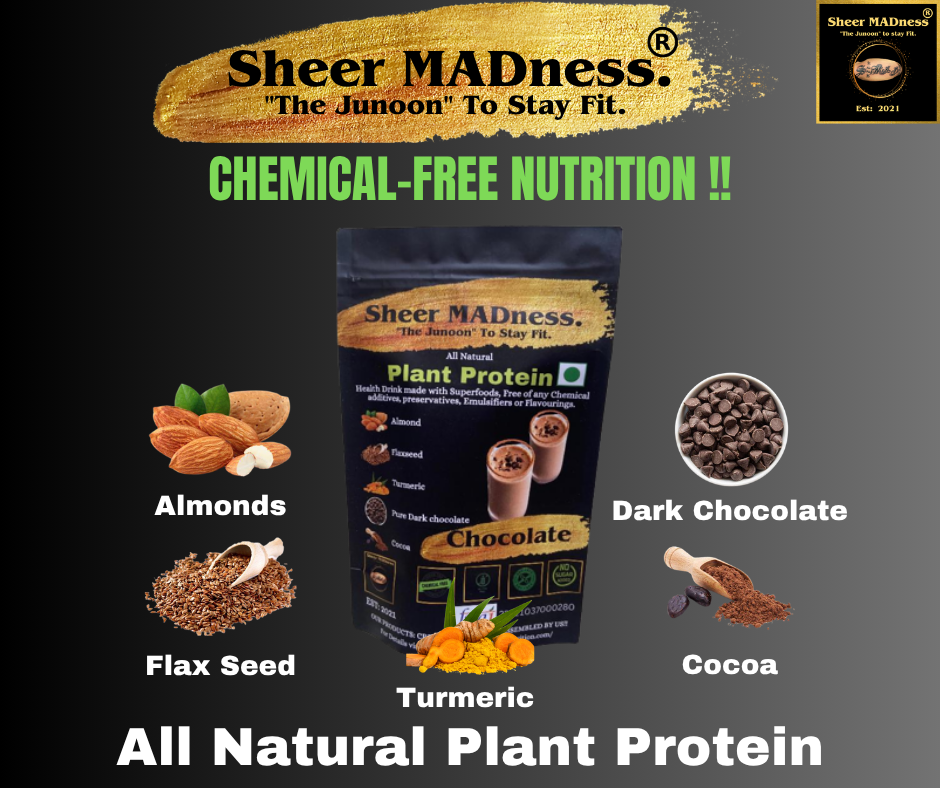
Our Chocolate powder contains roasted almond, roasted flaxseed, cocoa powder, dark chocolate and turmeric. Our Moringa powder contains moringa leaf, almond, flaxseed, turmeric and cardamom. Both are vegan, sieved and vacuum packed.
These are whole foods with some zinc, magnesium, vitamin E and unsaturated fat. A serving contains far less than the 60 grams of nuts used in the trial. We do not claim that our powders increase sperm count, improve fertility or treat any condition.
The dark chocolate uses cocoa solids and a small amount of jaggery. It contains no refined sugar, though jaggery still counts as sugar. Both powders contain almonds, so they are unsuitable for tree nut allergy.
Soya and flaxseed contain plant compounds with weak oestrogen-like activity. Men often worry that these lower testosterone or sperm quality. Evidence from clinical studies shows that soya foods do not lower testosterone in men.
One observational study did find that men with very high soya food intake had lower sperm concentration. The finding came from men attending a fertility clinic, and later work did not clearly confirm it. Moderate intake appears fine, although the evidence is not settled.
Flaxseed lignans act as weak phytoestrogens, and I will not claim that they regulate any hormone. At normal food amounts, flaxseed is considered safe for men. If you have a hormonal condition, ask your doctor.
Heat is a major factor. Hot tubs, saunas, tight underwear and long hours with a laptop on the lap raise testicular temperature. Cooler testicles make better sperm, so take breaks and wear loose clothing.
Smoking, heavy alcohol and recreational drugs reduce semen quality. Cannabis and tobacco both have clear negative links. Quitting is among the best things you can do.
Obesity and diabetes also lower fertility. Weight loss in men with obesity improves hormones and sometimes sperm count. Likewise, poor sleep and chronic stress take a toll.
Anabolic steroids and testosterone injections can shut down sperm production, sometimes for months or longer. Some “testosterone booster” and bodybuilding products contain undeclared hormones. Many young men learn this only when they try to start a family.
Buy supplements from reliable brands and read the full label. If you have used steroids or such products, tell your doctor. Recovery often happens after stopping, but it needs medical guidance.
Also be careful with heavy metals in poorly tested powders. Choose brands that are open about their ingredients and testing.
Start the day with a protein-rich breakfast. Stir a serving of plant protein powder into curd or milk, or choose moong chilla, besan chilla or sprouts. Add fruit for vitamin C.
Eat a handful of mixed nuts and seeds through the day. Pumpkin seeds, almonds, walnuts, flaxseed and sesame provide zinc, magnesium and healthy fats. Include dal, whole grains, vegetables and, if you eat it, fish.
Limit fried food, sugary drinks, processed meats and excess alcohol. Drink enough water, and sleep seven to eight hours. Exercise regularly, but avoid extreme endurance training with very low body weight.
Myth one says that more protein always means more sperm. Fertility depends on many factors, and extra protein beyond your needs adds nothing. Sperm production responds to overall health.
Another myth claims that protein shakes cause infertility. Ordinary shakes from reliable makers do not. Contaminated or hormone-laced products are the genuine danger.
Some people believe that plant protein lowers testosterone. Studies of soya foods in men show no meaningful effect on testosterone. Heavy drinking, obesity and steroid use affect it far more.
Finally, many assume that a single “fertility superfood” exists. No such food exists. Consistent habits across diet, sleep, exercise and heat avoidance matter most.
Because sperm take about three months to develop, wait at least that long before repeating a semen test. Change habits consistently for this entire period. Quick fixes do not exist.
Keep realistic expectations. Diet changes help most when your habits were poor to begin with. A true medical cause needs medical treatment.
| Factor | What the Evidence Shows | How Strong |
|---|---|---|
| Plant protein powder alone | No proof it raises sperm count | Not established |
| Mediterranean-style diet | Linked with better semen quality | Moderate, observational |
| Daily nuts (about 60 g) | Improved sperm count and motility in one trial | Limited to moderate |
| Processed meat | Linked with poorer sperm shape | Moderate, observational |
| Zinc and folic acid supplements | No benefit in a large trial in unselected men | Strong evidence of no effect |
| Antioxidant supplements | May improve pregnancy rates, low-quality evidence | Weak to moderate |
| Steroids and testosterone | Can suppress sperm production | Strong |
| Heat, smoking and alcohol | Reduce semen quality | Strong |
Not directly. No powder is proven to raise sperm count. A healthy diet with nuts, seeds and fewer processed meats may support semen quality modestly over about three months.
Ordinary protein powders are not known to reduce sperm count. Powders contaminated with steroids or hormones are the real risk, so choose trusted brands and read labels.
No single protein has proof of being best. A varied diet with pulses, nuts, seeds, eggs, fish and dairy supports overall health. Reduce processed meat.
Eat a Mediterranean-style diet, keep a healthy weight, avoid smoking, limit alcohol, keep testicles cool and sleep well. See a doctor if you have been trying to conceive for a year.
Nuts, including almonds, were part of a trial where mixed nuts improved semen quality. The amount used was about 60 grams a day, so a small serving gives a smaller effect.
Moderate soya intake does not appear to harm fertility in most men. Very high intake needs more research, so enjoy soya in moderation.
Yes, with a well-planned diet that includes enough protein, zinc, vitamin B12 and omega-3 fats. A doctor can check your levels.

So, does plant protein powder increase sperm? Not on its own. A plant-rich diet with nuts and seeds supports general reproductive health, and a powder can be a convenient part of that diet.
Honest advice means looking beyond the supplement shelf. Quit smoking, keep cool, stay away from steroids and unlabelled boosters, and see a doctor if conception takes longer than a year. A semen analysis is far more informative than any product.
I built Sheer MADness powders from whole roasted almond and flaxseed, with turmeric and either cocoa with dark chocolate or moringa with cardamom. You can see every ingredient on the front of the pack before you buy. Try Plant Protein Chocolate or Plant Protein Moringa as part of a balanced routine.
a) Everyone is an individual, so what suits me may or may not suit the next person.
b) If a person has a medical condition, a doctor’s advice and prescribed medication come first.
c) While buying any protein powder from the market, read the labels carefully. Watch out for codes and words such as anti-caking agent and INS 551, also known as silicon dioxide. These are laboratory-made additives, and although regulators approve them, it is fair to ask whether you want them in your daily scoop. Hence, read the ingredient list of every product before buying.
If you are interested in buying natural vegan protein powder, health drinks for kids, or our energy bars and protein bars, shop at Sheer MADness.
One can also buy our Products From Flipkart, Jio Mart or ONDC in India.
d) Exercise is the key to fitness. Exercise and nutrition are two sides of the same coin, and nutrition alone will not help you reach your goals without movement.
e) Excess of anything is wrong. Even the best nutrient-filled superfood should be consumed only in recommended quantities.
f) Regarding health, fitness and nutrition, remember that Rome was not built in a day. Your discipline and consistency are the key.
g) Fertility depends on many factors, including age, hormones, heat, medicines, stress, sleep, genetics and the health of both partners. Exercise and nutrition are within our control, so focus on these two first.
h) The most important part of fitness is that nothing is better than exercise and a balanced meal.
Disclaimer: Our products are a source of nutrients and are made from whole foods.
We do not claim to cure any medical condition.
The content provided is informational. We do not claim to diagnose or treat a person with any specific medical condition.