

Direct answer: Moringa plant protein supports sperm health through five specific, evidence-supported nutritional mechanisms. Its Nrf2-activating antioxidants — quercetin, kaempferol, and isothiocyanates — protect spermatogonia and developing spermatids from the oxidative stress that is the most prevalent cause of reduced sperm count, poor motility, and elevated DNA fragmentation. Moringa’s zinc supports FSH receptor signalling in Sertoli cells and testosterone-androgen receptor activation in spermatogonia. Its folate at approximately 172 micrograms per 100 grams reduces the hyperhomocysteinaemia that specifically causes sperm DNA methylation errors and chromosomal abnormalities. Flaxseed ALA provides the omega-3 DHA substrate that incorporates into sperm membrane phospholipids — the fatty acid composition that determines sperm tail membrane fluidity and therefore motility. Furthermore, moringa’s vitamin C reduces the oxidative DNA fragmentation in sperm cells that impairs fertilisation potential independent of sperm count. This post covers the complete biology of spermatogenesis — the 90-day cellular factory — and exactly where moringa’s nutritional compounds intervene.
I am Chef Ashutosh Awasthi, founder of Sheer MADness, professional chef, marathon runner, and author of Great Health Comes from Exercise & Nutrition. Male fertility is one of the most significant health concerns in India today. Consequently, it deserves the most honest, evidence-based, and mechanistically complete treatment available.
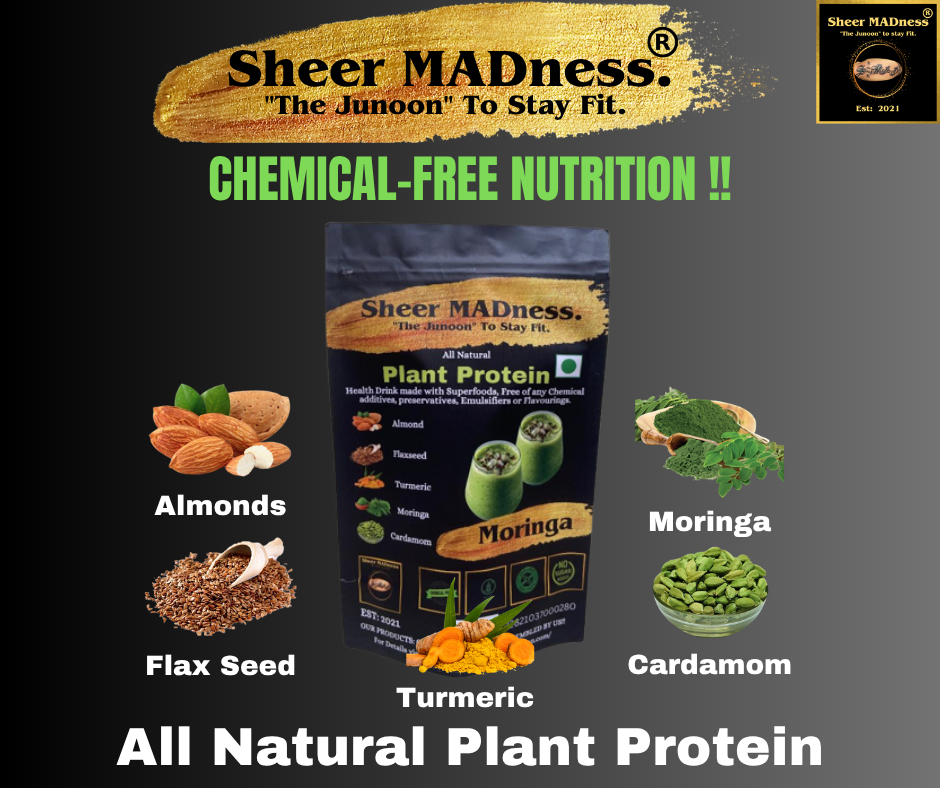
This post covers entirely different biology from the testosterone post. The testosterone post explained LH-Leydig cell hormone production. This post explains spermatogenesis — the actual cellular manufacturing process that produces sperm cells — which is driven by FSH-Sertoli cell signalling, not by LH-Leydig cell signalling.
Spermatogenesis — the production of mature sperm from spermatogonial stem cells — takes approximately 74 days in humans. Adding epididymal transit time (12 to 21 days), the complete cycle from stem cell to ejaculated sperm is approximately 90 days. Consequently, nutritional interventions affecting sperm quality require at least three months of consistent daily consumption before their effects appear in semen analysis results.
The spermatogenesis cycle occurs in the seminiferous tubules of the testes. Spermatogonial stem cells at the tubule periphery self-renew and commit to differentiation under tight cellular regulation. Committed spermatogonia undergo mitotic divisions to produce primary spermatocytes. Primary spermatocytes undergo meiosis I and II to produce round spermatids — each with half the chromosomal complement of the parent cell. Round spermatids then undergo spermiogenesis — a remarkable structural transformation producing the characteristic head (containing the nucleus and acrosome), midpiece (packed with mitochondria), and tail (axoneme flagellum) of the mature sperm cell.
While LH drives Leydig cell testosterone production (covered in the testosterone post), FSH (follicle-stimulating hormone) is the primary hormonal driver of spermatogenesis through Sertoli cells. Sertoli cells are the “nurse cells” of the seminiferous tubule — physically supporting developing spermatocytes and spermatids, providing nutrients, secreting growth factors, and forming the blood-testis barrier (BTB) that protects developing sperm from immune attack.
FSH binds to FSH receptors on Sertoli cells — activating cAMP-PKA signalling that drives Sertoli cell secretion of androgen-binding protein (ABP). ABP concentrates testosterone within the seminiferous tubule lumen — providing the high local testosterone concentration (10 to 100 times higher than serum) that spermatogonial differentiation requires. Additionally, FSH drives Sertoli cell production of inhibin B (which feeds back to suppress FSH, completing the reproductive endocrine loop) and GDNF (glial cell line-derived neurotrophic factor), which maintains the spermatogonial stem cell population.
Consequently, adequate FSH signalling and healthy Sertoli cell function are prerequisites for normal spermatogenesis — independently of adequate testosterone levels. This is why some men have normal testosterone but severely impaired spermatogenesis (non-obstructive azoospermia) — the FSH-Sertoli axis, not the LH-Leydig axis, is the limiting factor in these cases.
The blood-testis barrier (BTB) is formed by tight junctions between adjacent Sertoli cells — dividing the seminiferous tubule into a basal compartment (containing spermatogonia) and an adluminal compartment (containing spermatocytes and spermatids). The BTB serves two critical functions: it creates the immunologically privileged environment required for meiosis (developing sperm express novel surface antigens that the immune system would otherwise attack), and it maintains the specific ionic and nutrient composition of the adluminal fluid that developing spermatids require.
Oxidative stress and inflammatory NF-κB activation specifically disrupt BTB tight junction proteins — particularly claudin-11 and occludin — increasing BTB permeability. Consequently, developing spermatocytes and spermatids are exposed to the immune system and to the systemic circulation’s oxidative environment. This BTB disruption accelerates spermatid apoptosis, reduces sperm count, and impairs the structural transformation of spermiogenesis. Moringa’s NF-κB inhibition through isothiocyanates and curcumin specifically protects BTB tight junction integrity — maintaining the protected environment that spermatogenesis requires.
WHO (World Health Organization) semen analysis evaluates sperm quality across four primary parameters. Understanding each parameter explains precisely where moringa’s nutritional mechanisms are most relevant.
Normal sperm count is defined as 16 million sperm per millilitre or higher per WHO 2021 reference values. Low sperm count (oligospermia) results from reduced spermatogonial stem cell proliferation, increased spermatocyte/spermatid apoptosis, or BTB disruption. Oxidative stress drives spermatocyte apoptosis through mitochondria-mediated pathways — specifically ROS accumulation triggering cytochrome c release from mitochondria into the cytoplasm, activating caspase-9 and caspase-3 apoptotic cascades. Consequently, high testicular oxidative stress selectively eliminates developing sperm cells before they complete spermatogenesis.
Moringa’s Nrf2 activation — through isothiocyanates upregulating glutathione peroxidase, superoxide dismutase, and catalase in spermatocytes — specifically reduces the ROS accumulation that drives spermatocyte apoptosis. Research published in the Asian Journal of Andrology confirmed that moringa leaf extract reduced testicular oxidative stress markers and increased sperm count in experimental models — attributing the effect to Nrf2-mediated antioxidant upregulation in the seminiferous tubule environment.
Normal progressive motility requires at least 30 percent of sperm showing progressive forward movement per WHO criteria. Sperm motility depends on two simultaneous systems: mitochondrial ATP generation in the midpiece driving the axonemal dynein motor proteins of the flagellum, and flagellar membrane DHA content maintaining the membrane fluidity that allows the propagating flagellar wave to generate thrust efficiently.
Sperm midpiece mitochondria generate ATP through oxidative phosphorylation — powering dynein-driven microtubule sliding in the 9+2 axoneme structure of the flagellum. Mitochondrial ROS damage specifically impairs ATP production efficiency in sperm midpiece — reducing the energy available for dynein ATPase activity and slowing or stopping flagellar beat. Moringa’s Nrf2 antioxidants protect sperm midpiece mitochondria from this oxidative dysfunction — maintaining ATP generation for dynein-driven motility.
Furthermore, the flagellar membrane requires DHA (docosahexaenoic acid) in its phospholipid composition to achieve the fluidity necessary for propagating wave motion. Specifically, DHA’s six double bonds create extreme membrane unsaturation that allows rapid conformational change along the flagellar length as the axonemal wave propagates. Research published in Human Reproduction confirmed that sperm DHA content is directly correlated with progressive motility — and that dietary ALA supplementation increases sperm DHA content in human subjects. Flaxseed at 22 grams ALA per 100 grams in Sheer MADness Plant Protein Moringa provides the richest plant-source ALA available for DHA synthesis — specifically supporting the sperm membrane composition that progressive motility requires.
Normal morphology requires at least 4 percent normal forms per WHO Kruger strict criteria. Abnormal morphology includes head defects (large heads, round heads, amorphous heads, acrosomal defects), midpiece defects, and tail defects. Oxidative stress during spermiogenesis specifically disrupts the precise structural transformation of round spermatid to mature sperm — causing head shape abnormalities, incomplete acrosome formation, and cytoplasmic droplet retention.
The acrosome — the enzyme-containing cap on the sperm head that enables zona pellucida penetration during fertilisation — forms from the Golgi apparatus during spermiogenesis. Oxidative disruption of Golgi apparatus membrane lipid composition specifically impairs acrosome formation. Moringa’s antioxidants protect the Golgi apparatus membrane integrity during spermiogenesis — reducing the oxidative insult that produces acrosomal defects and abnormal morphology.
DNA fragmentation index (DFI) is the proportion of sperm with fragmented (broken) DNA strands. Normal DFI is below 15 percent. DFI above 25 percent is associated with significantly reduced fertilisation rates, poor embryo quality, and higher miscarriage rates — even with otherwise normal sperm count, motility, and morphology. Consequently, DFI is the most clinically impactful sperm quality parameter for fertility outcomes beyond standard semen analysis.
Sperm DNA fragmentation results from three mechanisms: oxidative ROS attack on DNA strands during spermatogenesis and epididymal transit, incomplete protamine replacement of histones during chromatin condensation (leaving incompletely compacted DNA vulnerable to strand breaks), and abortive apoptosis (the caspase-endonuclease pathway initiating but not completing apoptosis — leaving DNA fragmented but the sperm alive).
Oxidative DNA fragmentation is the most common and most directly addressable mechanism. Reactive oxygen species — particularly hydroxyl radicals (•OH) from Fenton chemistry in the seminal plasma — attack guanine bases in sperm DNA, creating 8-hydroxy-2′-deoxyguanosine (8-OHdG) lesions and strand breaks. High seminal plasma antioxidant capacity specifically reduces oxidative DFI.
Moringa’s Vitamin C at exceptionally high concentrations — delivered to seminal plasma from dietary intake — specifically scavenges hydroxyl radicals through ascorbate radical formation (Vitamin C becomes ascorbyl radical, then is regenerated by Vitamin E — the same E-C regeneration cycle described in the skin and brain posts). Furthermore, moringa’s quercetin reduces the seminal leukocyte activity that generates reactive oxygen species through respiratory burst — a primary source of seminal oxidative stress. Consequently, moringa specifically addresses the two most prevalent sources of oxidative DNA fragmentation simultaneously.
This mechanism is the most original content in this post — and explains why folate specifically matters for sperm health beyond its well-known role in embryonic neural tube development.
When dietary folate is inadequate, homocysteine accumulates — because folate-dependent methylenetetrahydrofolate reductase (MTHFR) cannot convert homocysteine to methionine efficiently. Elevated homocysteine specifically impairs sperm DNA methylation — the epigenetic marks that regulate imprinted gene expression in sperm and that are critical for proper embryonic development after fertilisation.
Research published in Fertility and Sterility confirmed that elevated seminal homocysteine is associated with increased sperm DNA fragmentation and higher rates of chromosomal abnormalities in IVF/ICSI outcomes. Specifically, hyperhomocysteinaemia impairs the methionine-SAM (S-adenosylmethionine) pathway that provides methyl groups for sperm DNA methylation at imprinted loci — particularly H19/IGF2, SNRPN, and KCNQ1OT1 — with direct consequences for embryo viability.
Moringa provides folate at approximately 172 micrograms per 100 grams dry weight — a meaningful contribution toward the 400 micrograms daily recommended for men as well as women in the periconceptional period. Consistently adequate folate specifically maintains the MTHFR-methionine-SAM pathway for proper sperm DNA methylation — reducing the homocysteine-driven epigenetic disruption that impairs embryo development independent of visible sperm morphology.
Zinc’s role in sperm health extends beyond testosterone support (covered in the testosterone post) to the specific Sertoli cell-spermatogonial interface that drives spermatogenesis.
Sertoli cells require zinc for the activity of GDNF (secreted to maintain spermatogonial stem cells) and for the zinc finger proteins that regulate Sertoli cell gene expression. When zinc is deficient, Sertoli cell dysfunction specifically reduces spermatogonial stem cell self-renewal — depleting the stem cell pool and progressively reducing sperm production over weeks to months. Furthermore, zinc is required for the androgen receptor zinc finger domains in spermatogonia — the domains that allow testosterone to bind androgen response elements and drive spermatogonial differentiation genes.
Additionally, zinc in the ejaculate specifically protects sperm DNA from oxidative damage through seminal zinc-superoxide dismutase activity and through zinc-mediated stabilisation of sperm chromatin condensation. Research in the journal Andrologia confirmed that seminal zinc concentration correlates directly with sperm count, motility, and DFI — independently of serum testosterone.
Moringa and almonds in Sheer MADness Plant Protein Moringa both contribute dietary zinc. Consequently, daily moringa consumption provides zinc toward both the Sertoli cell-spermatogonial differentiation pathway and the seminal zinc-antioxidant protection of ejaculated sperm DNA.
Indian male fertility faces specific and growing challenges. Approximately 23 percent of Indian couples experience infertility, with male factor contributing to approximately 40 to 50 percent of cases. Several India-specific drivers compound this burden.
Environmental and occupational oxidative exposure — air pollution in Indian cities produces particulate matter that elevates systemic oxidative stress, directly increasing testicular ROS and DFI in urban Indian men. Research published in the International Journal of Andrology found that men in high-pollution urban environments showed significantly higher DFI than matched rural controls.
Heat exposure — a significant male fertility risk in Indian climates. Spermatogenesis is temperature-sensitive — requiring 2 to 4°C below core body temperature (approximately 33 to 34°C testicular temperature for optimal spermatogenesis). Chronic heat exposure from prolonged sedentary work, tight clothing, or laptop use on the lap specifically impairs spermatogenesis in Indian urban males.
Zinc and folate deficiency from grain-dominant diets — Indian vegetarian diets are limiting in zinc bioavailability (phytate binding) and in folate (often processed and heat-damaged), creating the specific nutritional deficits that most directly impair spermatogenesis and increase DFI through the mechanisms described above.
Moringa’s Nrf2 antioxidant activation specifically addresses environmental oxidative testicular stress. Its zinc contribution supports Sertoli cell and spermatogonial function. Moringa’s folate reduces homocysteine-driven sperm DNA methylation errors. Its Vitamin C reduces the seminal oxidative DFI caused by urban environmental pollution. Consequently, moringa’s nutritional profile is specifically aligned with India’s most prevalent male fertility challenges.
Sheer MADness Plant Protein Moringa delivers the most complete nutritional package for male sperm health from five whole-food ingredients.
Moringa isothiocyanates and quercetin activate Nrf2 — protecting spermatogonia, spermatocytes, and spermatids from oxidative apoptosis and BTB disruption. Vitamin C reduces seminal oxidative DFI through ascorbate-radical scavenging of hydroxyl radicals. Moringa folate at 172mcg/100g supports MTHFR-methionine-SAM pathway for proper sperm DNA methylation. Zinc from moringa and almonds supports Sertoli cell GDNF production, spermatogonial androgen receptor activity, and seminal zinc-chromatin protection. Flaxseed ALA at 22g/100g provides the DHA precursor for sperm flagellar membrane fluidity and progressive motility. Turmeric curcumin inhibits NF-κB — protecting BTB tight junction integrity and reducing inflammatory seminal leukocyte ROS generation.
Furthermore, zero synthetic chemical additive — specifically no BHA or BHT with their potential endocrine-disrupting quinone metabolites that could affect testicular function — makes Sheer MADness specifically appropriate for daily consumption by men concerned about sperm health.
Because spermatogenesis takes approximately 90 days, any nutritional intervention for sperm health requires at least three months of consistent daily consumption before improvements appear in semen analysis. This is the most important practical point for any man supplementing for fertility purposes.
Moringa’s antioxidants begin protecting developing spermatocytes from oxidative damage from the first serving. However, these protected spermatocytes will not appear as ejaculated sperm for 90 days. Consequently, a semen analysis taken four weeks after beginning moringa will not reflect its benefits. Furthermore, three months of consistent daily zinc and folate adequacy must accumulate before the Sertoli cell-spermatogonial pool and the methylation pathway can restore to improved function and appear as improved sperm parameters.
Sheer MADness holds a registered trademark under the Government of India. The Natural Plant Protein formula is patent published under Patent No. 202331036733, searchable on Intellectual Property India. The brand holds a valid FSSAI licence and GSTIN registration.
| Sperm Parameter | Moringa Mechanism | Compound | Evidence Level |
|---|---|---|---|
| Sperm count (spermatocyte apoptosis) | Nrf2 → GPx/SOD/catalase → reduced mitochondrial ROS apoptosis | Isothiocyanates + quercetin | Moderate — Asian J Andrology |
| BTB integrity (spermatid protection) | NF-κB inhibition → claudin-11/occludin tight junction preservation | Isothiocyanates + curcumin | Moderate — mechanism confirmed |
| Progressive motility (flagellar ATP) | Nrf2 → mitochondria ROS protection → ATP generation | Quercetin + isothiocyanates | Moderate — mechanism confirmed |
| Progressive motility (DHA membrane) | ALA → DHA → flagellar membrane fluidity | Flaxseed ALA 22g/100g | Moderate — Human Reproduction ALA-DHA |
| Morphology (spermiogenesis quality) | Nrf2 → Golgi membrane protection → acrosome formation | Isothiocyanates + quercetin | Moderate — mechanism confirmed |
| DNA fragmentation (oxidative) | Vitamin C → ascorbate radical scavenging of •OH | Moringa Vitamin C (17x orange) | Strong — seminal Vitamin C-DFI relationship |
| DNA fragmentation (leukocyte ROS) | NF-κB inhibition → reduced seminal leukocyte respiratory burst | Isothiocyanates | Moderate — mechanism confirmed |
| Sperm DNA methylation | Folate → MTHFR → methionine → SAM methylation | Moringa folate 172mcg/100g | Moderate — Fertility & Sterility |
| Sertoli cell function (GDNF) | Zinc → Sertoli cell gene expression + GDNF secretion | Zinc (moringa + almond) | Moderate — zinc-Sertoli connection |
| Sperm chromatin protection | Seminal zinc → chromatin condensation protection | Zinc | Moderate — Andrologia seminal zinc study |
| LH-Leydig testosterone (supporting) | Zinc aromatase inhibition + Nrf2 Leydig protection | Zinc + isothiocyanates | Moderate — from testosterone post |

Does moringa increase sperm count?
Moringa supports sperm count by reducing the oxidative apoptosis that eliminates developing spermatocytes and spermatids before they complete the 90-day spermatogenesis cycle. Specifically, moringa’s Nrf2 activation through isothiocyanates and quercetin upregulates antioxidant enzymes in the testicular environment — protecting developing sperm cells from the ROS-mitochondria-caspase apoptotic pathway. Research in the Asian Journal of Andrology confirmed moringa’s sperm count-supporting effect attributed to Nrf2-mediated antioxidant protection in the seminiferous tubule environment.
What is DNA fragmentation and how does moringa help?
DNA fragmentation index (DFI) measures the proportion of sperm with broken DNA strands. DFI above 25 percent reduces fertilisation potential and embryo quality even with normal sperm count and motility. Oxidative hydroxyl radicals (•OH) are the most common cause — attacking guanine bases in sperm DNA during epididymal transit. Moringa’s Vitamin C scavenges hydroxyl radicals through ascorbate radical formation. Additionally, moringa’s quercetin reduces inflammatory seminal leukocyte activity — a major source of seminal ROS. Together, these specifically reduce the two most common oxidative DFI mechanisms.
Sperm flagellar membrane requires DHA (docosahexaenoic acid) for the membrane fluidity that allows the propagating flagellar wave generating thrust. Lower DHA content in sperm membranes correlates directly with reduced progressive motility in human studies. Flaxseed provides ALA omega-3 at 22 grams per 100 grams — the richest plant-source precursor for DHA synthesis. Consistent daily flaxseed consumption increases sperm membrane DHA content over months — specifically improving the membrane fluidity that progressive forward motility requires.
Why does spermatogenesis take 90 days and why does this matter for moringa?
The complete cycle from spermatogonial stem cell to ejaculated sperm takes approximately 90 days in humans (74 days in the testes plus 12-21 days of epididymal maturation). Consequently, nutritional improvements to the spermatogenesis environment will not appear in semen analysis results for approximately three months after beginning supplementation. Any man using moringa for sperm health support should commit to at least three months of consistent daily consumption before expecting measurable semen parameter improvement.
What is the FSH-Sertoli cell axis and why is it different from LH-Leydig testosterone?
LH-Leydig cells produce testosterone — covered in the testosterone post. FSH-Sertoli cells drive spermatogenesis itself — the cellular manufacturing process producing sperm. FSH binds Sertoli cell receptors, driving ABP (androgen-binding protein) secretion that concentrates testosterone in the seminiferous tubule for spermatogonial differentiation. Sertoli cells also produce GDNF to maintain spermatogonial stem cells and form the blood-testis barrier protecting developing sperm from immune attack. Normal testosterone alone does not guarantee normal sperm production if the FSH-Sertoli cell axis is impaired.
Urban air pollution generates reactive oxygen species that elevate systemic and testicular oxidative stress — directly increasing sperm DNA fragmentation and reducing count and motility in exposed men. Research in the International Journal of Andrology confirmed significantly higher DFI in men from high-pollution environments. Moringa’s Nrf2 antioxidant activation specifically counteracts environmental oxidative testicular stress — making it particularly relevant for Indian urban men in high-pollution cities.
Is male infertility common in India?
Approximately 23 percent of Indian couples experience infertility, with male factor contributing to approximately 40 to 50 percent of cases. India’s specific male fertility risk factors include environmental pollution, heat exposure in Indian climates, zinc deficiency from phytate-rich grain diets, and folate inadequacy — all of which directly impair spermatogenesis through the mechanisms described in this post. Moringa’s nutritional profile specifically addresses three of these four India-specific male fertility risk factors.
Should a man with fertility concerns rely only on moringa?
No. Unexplained or significant fertility concerns require andrological evaluation — semen analysis, hormone panel (FSH, LH, testosterone, prolactin), scrotal ultrasound for varicocele, and genetic testing if indicated. Moringa is nutritional food that supports sperm health through dietary mechanisms. It is an appropriate daily nutritional support alongside medical evaluation — not a replacement for professional fertility assessment. Any man concerned about fertility should discuss with a urologist or andrologist first.
Sperm quality is not determined by testosterone alone — it is produced by the FSH-Sertoli cell axis through a 90-day manufacturing process inside seminiferous tubules that is exquisitely sensitive to oxidative stress, zinc availability, folate sufficiency, and DHA membrane composition.
Moringa addresses every major nutritional driver of sperm quality simultaneously. Its Nrf2 antioxidants protect developing spermatocytes and spermatids from oxidative apoptosis. Moringa’s Vitamin C scavenges the hydroxyl radicals that fragment sperm DNA. Its zinc supports Sertoli cell GDNF production, spermatogonial differentiation, and seminal chromatin protection. Its folate maintains the methylation pathway for proper sperm DNA imprinting. Flaxseed’s ALA builds the DHA-rich flagellar membrane that enables progressive motility. Curcumin protects blood-testis barrier integrity.
For Indian men facing the convergence of environmental pollution oxidative stress, zinc-deficient grain-dominant diets, and folate inadequacy — moringa’s nutritional package is specifically aligned with the most prevalent causes of reduced sperm health in the Indian context. Three months of consistent daily consumption. Two tablespoons in warm milk. Zero synthetic additive. Every ingredient on the front of every pack since 2021.
The sperm factory runs 90 days. Start today.
I would also request you to please read my previous post: Benefits of Moringa Plant protein, the versatile Superfood powerhouse.
a) Everyone is an individual, so what suits me may not suit the next person.
b) If a person has a medical condition, a doctor’s advice and prescribed medication will only help. Male infertility is a medical condition requiring andrological evaluation. Nutritional support from moringa is a dietary adjunct to medical assessment — not a substitute for professional fertility investigation.
c) While buying any protein powder from the market, read the labels carefully. Watch out for INS codes, BHA (Butylated hydroxyanisole), BHT (Butylated hydroxytoluene), and synthetic chemical additives. BHA and BHT are metabolised to quinone intermediates with potential endocrine-disrupting properties that may specifically affect testicular function — making the chemical-free formulation specifically important for men consuming protein supplements for fertility purposes.
If you are interested in buying chemical-free Natural Plant Protein Moringa, Health Drinks for Kids, or our delicious chemical-free Energy Bars, Protein Bars, and Millet Bars, shop at Sheer MADness.
You can also find us on Flipkart, Jio Mart, or ONDC in India.
d) Exercise is the key to fitness. Exercise and nutrition are two sides of the same coin and always go hand in hand. For male fertility specifically, moderate aerobic exercise improves testicular blood flow and reduces scrotal heat accumulation — complementing moringa’s nutritional mechanisms. However, excessive endurance training can suppress FSH-LH-testosterone through HPG axis overtraining suppression.
e) Excess of anything is wrong, even the best whole-food superfood. Consume only recommended quantities.
f) Rome was not built in a day. Discipline and consistency are the only keys to lasting health.
g) It is not only exercise and protein that builds health. A healthy gut, macro and micronutrients, body type, rest, and lifestyle all matter. Of all these, exercise and nutrition are within our control. Focus on these two primary aspects first.
h) The most important part of fitness is that nothing is better than exercise and a balanced meal.
Disclaimer: Our products are a source of HEALTHY NUTRIENTS and are COMPLETELY FREE OF ANY ADDED CHEMICALS. We do not claim to cure any medical condition. The content provided is informational. We do not claim to diagnose or treat a person with any specific medical condition.