

Direct answer: Yes — moringa plant protein supports skin glow through five specific, documented mechanisms. Vitamin C-driven collagen synthesis that maintains skin structure and elasticity. Beta-carotene antioxidant protection against UV-induced photo-ageing. Quercetin inhibition of tyrosinase — the enzyme that produces excess melanin causing hyperpigmentation. Omega-3 ALA from flaxseed maintaining the skin barrier lipid bilayer that determines moisture retention and skin luminosity. And gut microbiome prebiotic support that reduces the inflammatory skin signalling responsible for dullness and reactive skin conditions. These mechanisms address the three most prevalent Indian skin concerns simultaneously. Uneven skin tone and hyperpigmentation, photo-ageing from UV exposure, and dull skin from poor barrier function and gut inflammation. Moringa is a food, not a topical skincare product. Its skin benefits operate from within through nutritional pathways, not surface application.
I am Chef Ashutosh Awasthi, founder of Sheer MADness, professional chef, marathon runner, and author of Great Health Comes from Exercise & Nutrition. Skin health is the most visible reflection of internal nutritional status. Let me explain the skin biology that determines what “glowing skin” actually means at the cellular level. And exactly which nutrients drive it.
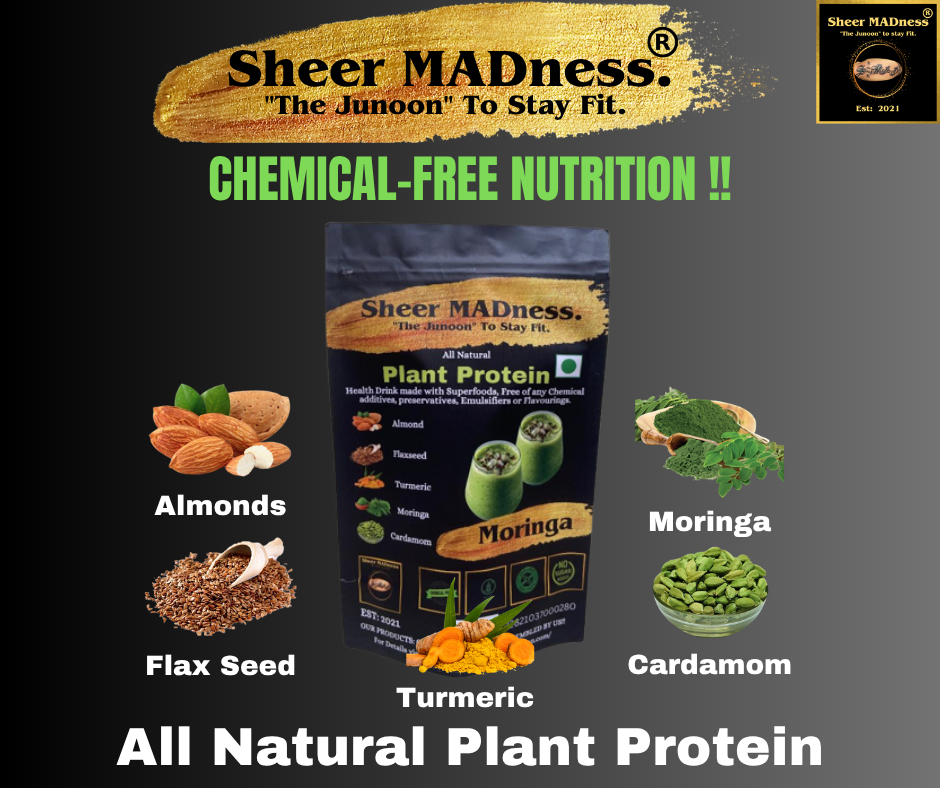
“Glowing skin” is not a vague aesthetic ideal. It has a precise biological basis that explains which nutrients actually produce it.
Skin glow derives from three measurable skin properties: luminosity (light reflection from a smooth, hydrated stratum corneum), evenness of tone (uniform melanin distribution without hyperpigmented patches), and translucency (the ability of skin to transmit light through adequately hydrated and oxygenated dermis). All three are directly determined by nutritional status at the cellular level.
Luminosity requires an intact, well-hydrated skin barrier — the stratum corneum’s lipid bilayer structure that determines moisture retention and surface smoothness. When the barrier is compromised by omega-3 deficiency, low ceramide production, or inflammatory disruption, the surface becomes rough and light-scattering rather than light-reflecting.
Evenness of tone requires regulated melanin production — specifically, tyrosinase enzyme activity controlled within normal limits by antioxidant availability. Excess tyrosinase activity — triggered by UV exposure, hormonal fluctuation, or post-inflammatory signals — produces melanin overproduction and the uneven pigmentation that is the most prevalent skin concern among Indian women.
Translucency requires adequate collagen density in the dermis — the collagen matrix that gives skin its plump, light-transmitting depth. Collagen loss from ageing, UV damage, or nutritional deficiency produces the thinning, flat, dull appearance that is the most visible sign of skin ageing.
Moringa’s nutritional profile addresses all three simultaneously — from within.
Collagen is the most abundant protein in the skin — constituting 70 to 80 percent of the dermis’s dry weight. The dermis’s dense collagen matrix gives skin its structural integrity, plumpness, and the depth that produces translucency and glow. Without adequate collagen, skin becomes thin, flat, and dull — reflecting less light and showing more visible imperfections.
Collagen synthesis requires Vitamin C as an essential cofactor — not optionally, but biochemically mandatorily. The collagen molecule is assembled as procollagen — a triple helix of three polypeptide chains (alpha chains) wound together. For the triple helix to form stable hydrogen bonds between chains, the proline residues in each chain must be hydroxylated to hydroxyproline by the enzyme prolyl hydroxylase.
Prolyl hydroxylase is a Vitamin C-dependent enzyme — it requires ascorbate (Vitamin C) as an electron donor for the hydroxylation reaction. Without adequate Vitamin C, prolyl hydroxylase cannot function, proline cannot be hydroxylated, the triple helix cannot form stable bonds, and procollagen cannot be processed to mature collagen. The result is unstable collagen that is rapidly degraded — producing collagen-depleted dermis, reduced skin structural support, and the dull, loose appearance that collagen loss produces.
This is not a theoretical mechanism — it is the biochemical basis of scurvy, where Vitamin C deficiency causes collagen breakdown, wound failure, and skin fragility. At sub-clinical Vitamin C insufficiency (below deficiency but inadequate for optimal collagen synthesis), the result is slower collagen turnover, reduced skin structural maintenance, and earlier onset of the visible skin ageing that collagen loss produces.
Moringa leaf provides Vitamin C at approximately 17 times the concentration of oranges gram for gram — one of the highest Vitamin C densities available from any food. Two tablespoons of Sheer MADness Plant Protein Moringa provide a meaningful daily Vitamin C contribution specifically supporting the prolyl hydroxylase-mediated collagen synthesis that maintains skin structural quality and glow.
Zinc is required for the lysyl oxidase enzyme that cross-links collagen and elastin fibres — increasing their tensile strength and resistance to breakdown. Lysyl oxidase catalyses the oxidative deamination of lysine residues, creating the aldehyde groups that form the covalent cross-links between collagen molecules. Without adequate zinc, collagen cross-linking is incomplete, producing a weaker, less resilient collagen matrix that degrades faster.
Almonds in Sheer MADness Plant Protein Moringa provide zinc (approximately 3 mg per 100g) alongside the collagen structural support from moringa’s Vitamin C — addressing both the synthesis rate (Vitamin C) and the structural quality (zinc) of the collagen matrix simultaneously.
This is the most commercially important skin mechanism for Indian women — and the one least discussed in existing moringa-skin content.
Melanin — the pigment that determines skin colour — is produced by melanocytes in the stratum basale through a multi-enzyme pathway. Tyrosinase is the rate-limiting enzyme in this pathway: it converts tyrosine to DOPA, and DOPA to dopaquinone, which is further processed to eumelanin (brown-black) and phaeomelanin (red-yellow).
Hyperpigmentation — uneven dark patches, post-inflammatory darkening, melasma — results from localised tyrosinase overactivation producing excess melanin in specific skin areas. Triggers include UV exposure (the most common), oestrogen and progesterone fluctuation (melasma), and post-inflammatory signals from acne, rashes, or skin irritation.
South Asian skin — with its higher baseline melanin content and higher melanocyte reactivity — is specifically prone to post-inflammatory hyperpigmentation and UV-triggered melanin overproduction. The most prevalent skin complaint among Indian women is uneven skin tone and dark patches — directly caused by excess tyrosinase activity.
Quercetin is a competitive inhibitor of tyrosinase — it binds to the enzyme’s copper-containing active site (where tyrosine normally binds) and reduces tyrosinase’s ability to catalyse melanin production. Research published in the Journal of Enzyme Inhibition and Medicinal Chemistry confirmed quercetin’s tyrosinase inhibition with measured IC50 values demonstrating significant competitive inhibition.
This is the dietary equivalent of the mechanism that topical skin-brightening ingredients (kojic acid, arbutin, niacinamide) target in skincare products — but delivered from within through dietary quercetin reaching dermal melanocytes through systemic circulation, rather than from topical surface application.
Moringa provides quercetin at approximately 50 to 60 milligrams per 100 grams dry weight — one of the most quercetin-dense foods available. Daily consistent moringa consumption provides sustained dietary quercetin that accumulates in skin tissue over weeks, specifically modulating tyrosinase activity and melanin production regulation from within.
Additionally, moringa’s beta-carotene competes with UV-induced melanin stimulation at the melanocyte signalling level — UV activates the alpha-MSH pathway that upregulates tyrosinase; antioxidant protection from beta-carotene quenching UV-generated ROS reduces the UV-melanin stimulation signal at its source.
India is a high-UV geography. UV radiation is the primary extrinsic driver of premature skin ageing — producing photoageing through two simultaneous mechanisms: direct UV-induced DNA damage in skin cells, and UV-generated ROS that activates matrix metalloproteinases (MMPs) that degrade collagen and elastin.
Beta-carotene accumulates in skin tissue with consistent dietary consumption, where it functions as an endogenous UV filter — absorbing UV photons before they generate ROS in skin cells. Research published in the Journal of Nutrition confirmed that dietary beta-carotene supplementation increases skin carotenoid concentration (measurable by skin reflectance spectroscopy) and reduces UV-induced erythema — the inflammatory skin response to UV damage.
Moringa leaf at 6.78 milligrams of beta-carotene per 100 grams provides the most beta-carotene of any widely available leafy food. The simultaneous almond fat in Sheer MADness Plant Protein Moringa maximises beta-carotene’s absorption — beta-carotene requires dietary fat for micellar solubilisation and lymphatic absorption from the small intestine. Consuming moringa and almond together in the same preparation specifically maximises the skin’s beta-carotene accumulation.
Almond’s Vitamin E (12.5mg per 100g — one of the highest nut sources) provides the lipid-soluble antioxidant protection that Vitamin C’s water-soluble protection cannot reach — specifically protecting skin cell membrane lipids from UV-generated ROS lipid peroxidation. Vitamin E and Vitamin C work synergistically in skin photo-protection: Vitamin E quenches ROS in membranes, becomes a tocopheroxyl radical, and Vitamin C regenerates the active tocopherol from the radical — sustaining the combined antioxidant capacity beyond what either provides alone.
The moringa Vitamin C and almond Vitamin E in Sheer MADness Plant Protein Moringa provide this synergistic photo-protective antioxidant pair from the same daily preparation.
The skin barrier — specifically the stratum corneum’s lamellar lipid bilayer structure — determines skin moisture retention, surface smoothness, and reactivity. The barrier is composed of approximately 50 percent ceramides, 25 percent cholesterol, and 15 percent free fatty acids arranged in lamellar sheets between corneocytes.
The fatty acid composition of the barrier specifically depends on dietary fatty acid availability. Omega-3 fatty acids — ALA from flaxseed, EPA from ALA conversion — are incorporated into skin cell phospholipids and the barrier lamellar structure. When omega-3 is inadequate relative to omega-6, the barrier becomes more permeable, trans-epidermal water loss increases, and skin becomes drier, rougher, and more reactive.
Research in Skin Pharmacology and Physiology confirmed that dietary omega-3 supplementation reduces trans-epidermal water loss (TEWL) and improves skin hydration measurements — the objective correlates of the surface smoothness and luminosity that subjectively constitute “glowing skin.”
Flaxseed at 22 grams of ALA per 100 grams — in Sheer MADness Plant Protein Moringa. Provides the richest plant-source omega-3 available for skin barrier lipid composition maintenance. Daily flaxseed consumption specifically reduces TEWL and improves the barrier moisture retention. This is the primary determinant of skin surface smoothness and light reflection.
The almond study published in Phytotherapy Research (2019). One of the better citations in the existing post — found that almond consumption reduced wrinkle severity and improved skin lipids over the study period. This effect is driven by almonds’ monounsaturated fats and Vitamin E supporting the barrier lipid environment that maintains skin elasticity and hydration.
This is the most underexplored but increasingly well-supported skin health mechanism — and it is directly relevant to Indian skin concerns.
The gut-skin axis is the bidirectional communication between gut microbiome composition and skin health. Gut dysbiosis — reduced microbiome diversity, reduced beneficial bacteria, increased intestinal permeability — generates systemic LPS endotoxemia that activates TLR4-NF-κB inflammatory signalling, elevating systemic inflammatory cytokines (TNF-α, IL-6, IL-1β) that reach the skin through circulation.
In the skin, these inflammatory cytokines stimulate sebaceous gland activity (acne), activate mast cells (redness and reactive skin), upregulate keratinocyte inflammatory responses (barrier disruption), and stimulate post-inflammatory pigmentation signalling (hyperpigmentation from inflammatory triggers). The result is dull, reactive, unevenly pigmented skin — the opposite of glowing skin — driven from the gut rather than from the skin surface.
Research published in the Journal of Dermatological Science confirmed the gut-skin microbiome connection. Finding that acne severity correlates with gut microbiome dysbiosis measures, and that gut microbiome intervention reduces inflammatory skin markers.
Moringa and flaxseed prebiotic fibres in Sheer MADness Plant Protein Moringa specifically feed Akkermansia muciniphila and Faecalibacterium prausnitzii. The beneficial bacteria whose populations are most reduced in gut dysbiosis and whose restoration most directly reduces intestinal permeability and LPS leakage. Consistent daily moringa consumption reduces the gut-sourced inflammatory systemic signalling that is driving reactive, dull, and acne-prone skin — addressing skin health from its gut foundation rather than its surface.
For Indian adults consuming high-refined-carbohydrate urban diets that are progressively disrupting gut microbiome diversity, the gut-skin axis is increasingly the most impactful skin health lever available from nutrition — and moringa’s prebiotic effect is the most direct intervention.
Three specific skin concerns are most prevalent among Indian women — and moringa’s mechanisms address all three:
Hyperpigmentation and uneven skin tone — driven by excess tyrosinase activity from UV exposure, hormonal fluctuation, and post-inflammatory triggers. Moringa’s quercetin provides dietary tyrosinase inhibition and beta-carotene reduces UV-melanin stimulation at source.
Photo-ageing — India’s high UV index produces earlier onset of collagen-depleted, photoaged skin than lower-UV geographies. Moringa’s beta-carotene endogenous UV protection and Vitamin C collagen synthesis support directly address the two primary photo-ageing mechanisms simultaneously.
Dull, reactive, acne-prone skin — increasingly prevalent in urban Indian adults whose gut microbiomes have been disrupted by dietary pattern transitions. Moringa’s prebiotic gut microbiome restoration reduces the gut-skin inflammatory axis that drives reactive, dull, acne-associated skin from within.
The existing topical skincare industry targets these same three concerns. With skin-brightening serums (kojic acid, niacinamide) for hyperpigmentation, SPF products for photo-ageing, and acne treatments for reactive skin. Moringa addresses the same three concerns nutritionally — from inside, through the mechanisms that determine skin quality at the cellular level.
Sheer MADness Plant Protein Moringa contains zero BHA (INS 320), BHT (INS 321), or synthetic preservatives. This matters specifically for skin because BHA and BHT are metabolised to quinone reactive intermediates. This generates oxidative stress — the opposite of moringa’s Nrf2-activating antioxidant contribution. Consuming a daily supplement that simultaneously provides antioxidants and generates oxidative stress from its preservatives is metabolically contradictory. Sheer MADness’s zero-additive formulation avoids this contradiction.
Additionally, sucralose — absent from Sheer MADness but present in most commercial protein supplements. Sucralose disrupts gut microbiome composition by reducing beneficial bacteria populations. For the gut-skin axis mechanism described above, sucralose in a daily skin health supplement would actively worsen the gut dysbiosis that it is supposed to be supplementing against. Five clean whole-food ingredients. No contradiction between the stated benefit and the additive list.
Sheer MADness holds a registered trademark under the Government of India. The Natural Plant Protein formula is patent published under Patent No. 202331036733, searchable on Intellectual Property India. The brand holds a valid FSSAI licence and GSTIN registration.
| Skin Goal | Mechanism | Nutrient | Evidence Level |
|---|---|---|---|
| Collagen synthesis and skin plumpness | Prolyl hydroxylase cofactor — proline hydroxylation | Vitamin C (17x orange) | Strong — biochemical necessity |
| Collagen cross-linking strength | Lysyl oxidase cofactor | Zinc (almonds) | Strong — enzyme mechanism |
| Even skin tone — tyrosinase inhibition | Competitive tyrosinase active site inhibition | Quercetin | Moderate — cell model + mechanism |
| UV melanin signal reduction | Beta-carotene quenching UV-ROS melanin stimulus | Beta-carotene (6.78mg/100g) | Moderate — human UV erythema studies |
| Photo-ageing protection | Endogenous UV photon absorption | Beta-carotene (skin accumulation) | Moderate — human skin carotenoid studies |
| Membrane photo-protection | Lipid ROS quenching — Vitamin E-C synergistic regeneration | Vitamin E (almonds) | Strong — antioxidant mechanism |
| Skin barrier moisture retention | Barrier lamellar lipid omega-3 incorporation | Flaxseed ALA | Moderate — TEWL reduction human studies |
| Skin surface smoothness and luminosity | Barrier integrity — reduced TEWL | Flaxseed ALA + almond lipids | Moderate — flaxseed skin RCT |
| Reactive skin and gut-driven inflammation | Gut-skin axis — LPS reduction via Akkermansia support | Moringa + flaxseed prebiotic | Growing — gut-skin axis research |
| Post-inflammatory hyperpigmentation prevention | Anti-inflammatory NF-κB inhibition | Isothiocyanates + quercetin | Indirect — inflammation-melanin connection |
Does moringa give glowing skin?
Moringa supports glowing skin through five specific dietary mechanisms: Vitamin C-driven collagen synthesis, quercetin tyrosinase inhibition reducing hyperpigmentation, beta-carotene UV protection and photo-ageing prevention, flaxseed omega-3 maintaining skin barrier moisture retention, and gut microbiome prebiotic support reducing the gut-skin inflammatory axis that produces dull and reactive skin. These are evidence-supported nutritional mechanisms — not marketing claims.
How does moringa help with hyperpigmentation specifically?
Moringa’s quercetin competitively inhibits tyrosinase — the rate-limiting enzyme in melanin production — at the enzyme’s copper-containing active site. This reduces excess melanin production from UV, hormonal, and post-inflammatory triggers. Additionally, beta-carotene in moringa quenches UV-generated ROS before it can stimulate the alpha-MSH signalling pathway that upregulates tyrosinase. Together, these two mechanisms address hyperpigmentation at two distinct points in the melanin production pathway.
Collagen is the primary structural protein of the dermis — 70 to 80 percent of skin’s dry weight. It provides the plumpness and translucency that produce skin glow. Collagen synthesis requires Vitamin C as a mandatory cofactor for prolyl hydroxylase — the enzyme that hydroxylates proline residues to allow the collagen triple helix to form stable bonds. Without adequate Vitamin C, collagen synthesis slows and existing collagen degrades faster. Moringa’s exceptionally high Vitamin C concentration — approximately 17 times oranges gram for gram — directly supports this collagen maintenance mechanism.
What is the gut-skin axis and how does moringa improve skin through it?
The gut-skin axis is the connection between gut microbiome health and skin condition. Gut dysbiosis allows LPS bacterial fragments to leak into systemic circulation (metabolic endotoxemia), activating TLR4-NF-κB inflammatory signalling that reaches the skin — stimulating excess sebum production, mast cell reactivity, barrier disruption, and post-inflammatory pigmentation. Moringa’s prebiotic fibre feeds Akkermansia muciniphila, restoring the intestinal barrier that prevents LPS leakage and reducing the systemic inflammatory signalling that drives reactive, dull skin from within.
Collagen synthesis improvements require 8 to 12 weeks of consistent daily Vitamin C intake to produce measurable changes in collagen density. Skin barrier improvement from omega-3 begins at 4 to 6 weeks of consistent flaxseed consumption. Gut microbiome changes begin at 2 to 4 weeks but accumulate over months. The most visible change most people notice first is reduced skin reactivity and improved hydration at 4 to 6 weeks — with deeper structural improvements (collagen, tone, glow) building over 3 to 6 months of daily consumption. Skin renewal is a long-term nutritional commitment.
Does moringa work better taken internally or applied topically for skin?
Internal dietary consumption addresses the root causes of skin quality — collagen synthesis substrate, antioxidant protection against UV damage, tyrosinase regulation, skin barrier lipid composition, and gut-skin inflammatory axis. Topical skincare products address the skin surface. Both have their place. However, dietary moringa specifically addresses mechanisms that topical products cannot reach — collagen synthesis from within, melanin regulation from the melanocyte level up, and gut microbiome-driven systemic inflammation. The most complete skin health approach combines internal nutrition with appropriate topical protection.
Yes — the Phytotherapy Research 2019 almond study (Singh A, et al.) is one of the better-cited pieces of evidence in the original post. It was a randomised controlled trial that found almond consumption reduced wrinkle severity and improved skin lipid profiles — monounsaturated fatty acid increases supporting barrier function. This is dietary almond consumption study evidence — not topical — making it directly relevant to Sheer MADness Plant Protein Moringa’s dietary consumption context.
Does moringa help with acne?
Moringa’s anti-inflammatory mechanisms — NF-κB inhibition reducing inflammatory cytokines, gut microbiome prebiotic support reducing LPS-driven systemic inflammation, and quercetin reducing mast cell reactivity — address the inflammatory component of acne-prone skin. Moringa is not an acne treatment and does not replace medical acne management. However, dietary moringa reduces the systemic inflammatory environment that makes skin more reactive and acne-prone — specifically through the gut-skin axis mechanism. Any persistent or significant acne requires dermatological assessment.

Glowing skin is not applied — it is built from within. The surface reflects what the nutrition, gut health, and cellular environment inside has produced. No topical product can permanently replicate the glow that comes from adequate collagen synthesis substrate, regulated melanin production, an intact omega-3-rich skin barrier, and a gut microbiome that is not generating systemic inflammatory signalling through the skin.
Moringa addresses every one of these from a single daily preparation. Vitamin C for the prolyl hydroxylase-mediated collagen synthesis that maintains skin structural plumpness. Quercetin for dietary tyrosinase inhibition that prevents melanin overproduction. Beta-carotene accumulating in skin tissue to filter UV photons before they generate collagen-degrading ROS and melanin-stimulating signals. Flaxseed omega-3 for the barrier lamellar lipid structure that retains moisture and produces luminosity. Prebiotic fibre for the gut microbiome health that prevents the systemic inflammatory signalling that dulls, reactive-ifies, and unevenly pigments Indian skin from within.
Sheer MADness Plant Protein Moringa provides all five skin mechanisms from five whole-food ingredients — with zero synthetic additive contradicting the antioxidant benefit, every ingredient on the front of every pack since 2021.
Glowing skin is built daily. From within.
I would also request you to please read my previous post: Benefits of Moringa Plant protein, the versatile Superfood powerhouse.
a) Everyone is an individual, so what suits me may not suit the next person.
b) If a person has a medical condition, a doctor’s advice and prescribed medication will only help. Diagnosed skin conditions — eczema, psoriasis, cystic acne, melasma — require dermatological management. Dietary moringa supports healthy skin nutritional status as a food; it does not treat diagnosed skin conditions.
c) While buying any protein powder from the market, read the labels carefully. Watch out for INS codes, Anti-caking agent, INS 551 (Silicon dioxide), BHA (Butylated hydroxyanisole), BHT (Butylated hydroxytoluene), and sucralose. For skin health specifically, BHA/BHT generate oxidative metabolites that contradict antioxidant skin benefits, and sucralose disrupts gut microbiome that determines skin inflammatory status through the gut-skin axis.
If you are interested in buying chemical-free Natural Plant Protein Moringa, Health Drinks for Kids, or our delicious chemical-free Energy Bars, Protein Bars, and Millet Bars, shop at Sheer MADness.
You can also find us on Flipkart, Jio Mart, or ONDC in India.
d) Exercise is the key to fitness. Exercise and nutrition are two sides of the same coin and always go hand in hand.
e) Excess of anything is wrong, even the best whole-food superfood. Consume only recommended quantities.
f) Rome was not built in a day. Discipline and consistency are the only keys to lasting health.
g) It is not only exercise and protein that builds health. A healthy gut, macro and micronutrients, body type, rest, and lifestyle all matter. Of all these, exercise and nutrition are within our control. Focus on these two primary aspects first.
h) The most important part of fitness is that nothing is better than exercise and a balanced meal.
Disclaimer: Our products are a source of HEALTHY NUTRIENTS and are COMPLETELY FREE OF ANY ADDED CHEMICALS. We do not claim to cure any medical condition. The content provided is informational. We do not claim to diagnose or treat a person with any specific medical condition.