
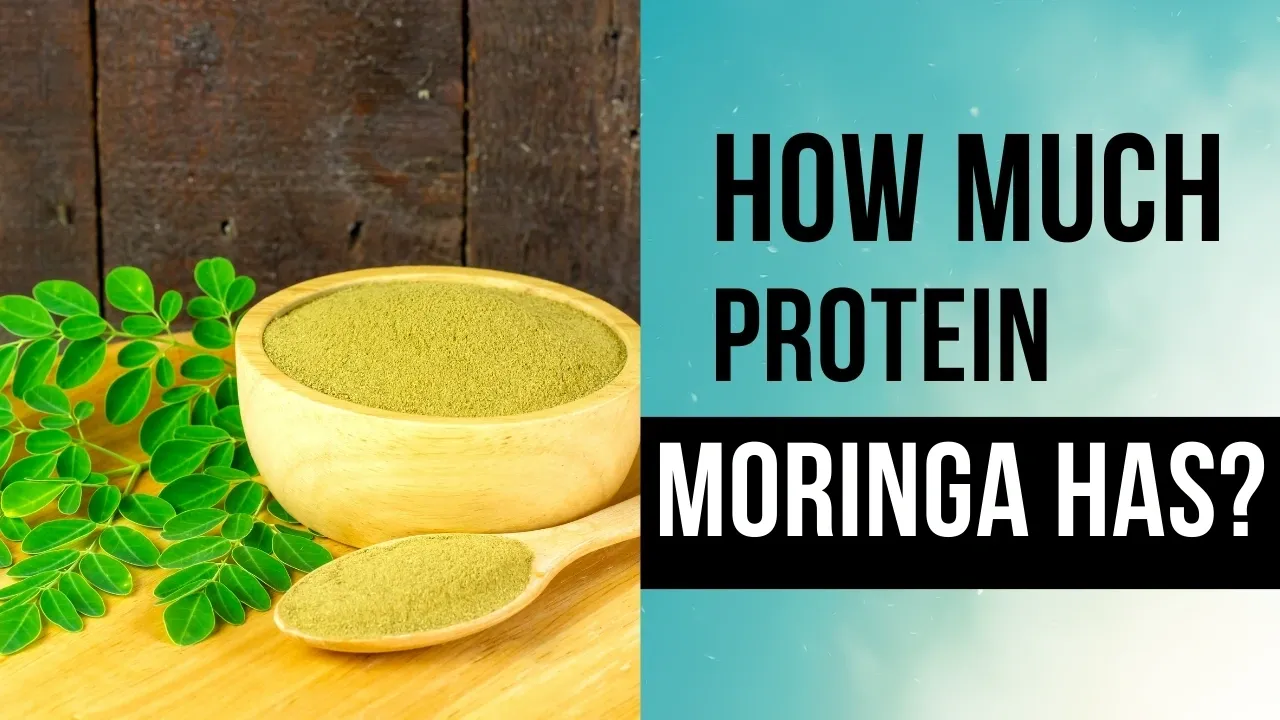
Moringa is one of the most protein-rich plant foods available. Studies show that moringa leaves contain about 25–30% protein when dried, making them a powerful natural protein source. Fresh moringa leaves provide around 9 grams of protein per 100 grams, while 1 tablespoon of dried moringa leaf powder contains about 1 gram of protein. For example, 1 cup (21 grams) of fresh, chopped moringa leaves contain approximately 2 grams of protein. Dried leaves: 1 tablespoon (2 grams) of dried moringa leaves contain about 1 gram of protein. Plant Protein Moringa from the brand Sheer MADness has about 7.5 grams per serving of 25 grams.
Moringa is a complete plant-based protein source, which means it contains all nine essential amino acids that the body cannot produce on its own. According to studies, Moringa leaves contain between 25-30% protein, making it an excellent protein source for vegetarians, vegans, and anyone looking to increase their protein intake.
Sheer MADness is India’s only Brand that is completely free of any chemical additives, preservatives, colours or flavours, and stands out as the healthiest choice. No chemicals, no INS codes in small fonts, every Ingredient clearly mentioned on the front Label.
Discover moringa’s impressive protein content and unleash its health benefits for a stronger, healthier self. This article explores the science behind moringa protein, its amino acid profile, research studies, and the unique advantages of Sheer MADness Natural Plant Protein Moringa.

Moringa oleifera is commonly known as the drumstick tree or miracle tree. It grows widely across India, Africa, and Southeast Asia.
Almost every part of this tree is edible or medicinal. People use its leaves, seeds, flowers, and pods in traditional medicine.
However, moringa leaves are the most nutritionally dense part of the plant. They contain protein, vitamins, minerals, antioxidants, and essential amino acids.
For centuries, communities used moringa leaves to improve nutrition. Today, modern science confirms many of those traditional claims.
In recent years, moringa has gained international recognition as a superfood.
Researchers now study moringa for its role in:
According to the Food and Agriculture Organization (FAO), moringa is one of the most nutrient-dense plant foods available.
Many health experts consider moringa an ideal solution for plant-based nutrition and sustainable food systems.
Moringa leaves contain impressive protein levels compared to most vegetables.
Here are the approximate values:
| Form of Moringa | Protein Content |
|---|---|
| Fresh leaves (100 g) | ~9 g protein |
| Dried leaf powder | 25–30% protein |
| 1 cup chopped leaves | ~2 g protein |
| 1 tablespoon dried powder | ~1 g protein |
These numbers make moringa one of the highest protein leafy greens in the world.
Most green vegetables contain only 2–4% protein.
Moringa can contain up to 10 times more protein than common greens.
While moringa leaves alone are nutritious, combining them with complementary ingredients improves the nutritional profile.
Sheer MADness Natural Plant Protein Moringa provides about 7.5 grams of protein per 25-gram serving.
Its formulation includes:
This combination delivers balanced plant protein along with healthy fats, fiber, and micronutrients.
Most importantly, the product remains 100% natural and chemical-free.
No preservatives or artificial sweeteners.
No flavouring chemicals or hidden INS codes.
Every ingredient appears clearly on the front label.
A complete protein contains all nine essential amino acids.
The human body cannot produce these amino acids. Therefore, we must obtain them from food.
These essential amino acids include:
Many plant foods lack one or more of these amino acids.
However, moringa provides all nine essential amino acids, making it a rare plant-based complete protein.
Studies show moringa contains significant levels of:
This balanced amino acid profile supports muscle repair, metabolism, immunity, and cognitive health.
Modern research strongly supports moringa’s nutritional value.
A study published in the Journal of Food Science and Technology analyzed moringa leaf powder.
Researchers found:
The study concluded moringa is comparable to traditional protein sources like eggs and milk.
Another study in Food Science and Human Wellness compared moringa with spinach.
Researchers found:
Egg protein is widely considered the gold standard for bioavailability.
A study in the African Journal of Biotechnology confirmed moringa’s value in fighting malnutrition.
The research highlighted that moringa leaves provide:
The study recommended moringa as a nutritional supplement in protein-deficient diets.
Many protein sources cause digestive discomfort.
Some protein powders cause:
However, moringa protein is naturally easily digestible.
This happens because moringa contains:
These components improve nutrient absorption.
Products like Sheer MADness Natural Plant Protein Moringa enhance digestibility further by including almonds and flaxseed, both rich in fiber and healthy fats.
Protein plays a key role in muscle repair.
Moringa provides essential amino acids that help:
Athletes and active individuals can benefit from daily moringa intake.
Moringa protein promotes satiety.
Protein and fiber reduce hunger hormones and increase fullness.
This helps people:
Natural plant protein blends like Sheer MADness support balanced nutrition without artificial additives.
Moringa contains fiber and anti-inflammatory compounds.
These help:
Flaxseed in the Sheer MADness blend adds additional omega-3 fatty acids and fiber, enhancing digestive health.
Research suggests moringa helps regulate cholesterol.
A study published in Phytotherapy Research showed moringa may help:
Omega-3 fatty acids from flaxseed further improve cardiovascular health.
Protein supports immune cell production.
Moringa also contains:
These nutrients strengthen the immune system and reduce inflammation.
Protein supports collagen production.
Collagen maintains:
Vitamin E from almonds enhances skin protection against oxidative stress.
Most protein supplements contain long ingredient lists.
Many include:
However, Sheer MADness follows a completely different philosophy.
It focuses on natural nutrition using whole ingredients.
The formulation includes:
Provides protein, vitamins, antioxidants, and essential amino acids.
Rich in protein, vitamin E, and healthy fats.
Provides omega-3 fatty acids, fiber, and plant protein.
Adds anti-inflammatory and antioxidant properties.
Provides natural flavor and digestive benefits.
Sheer MADness is unique because it avoids all chemical additives.
It contains:
There are no hidden INS numbers printed in small fonts.
Every ingredient appears clearly on the front label.
This transparency makes Sheer MADness one of the cleanest plant protein products in India.
The blend combines moringa, almonds, and flaxseed.
Together they provide a balanced amino acid profile.
Flaxseed provides omega-3 fatty acids, essential for brain and heart health.
The blend contains natural sources of:
Turmeric and moringa provide powerful antioxidants that protect cells from oxidative stress.
Moringa protein powder is extremely versatile.
Here are easy ways to include it in daily meals.
Add one scoop to fruit smoothies.
Mix into warm oatmeal for added protein.
Stir into yogurt with fruits and nuts.
Use in homemade energy snacks.
Add small amounts to muffins or pancakes.
Moringa protein benefits almost everyone.
It is especially useful for:
Because it is natural and chemical-free, it suits people with sensitive digestion.
Yes, moringa is safe when consumed in moderate amounts.
Traditional diets in India have used moringa leaves for centuries.
Experts recommend starting with small servings and gradually increasing intake.
Most people tolerate moringa very well.
Experts believe moringa may play a major role in future food systems.
Its advantages include:
Many organizations now promote moringa as a solution to global malnutrition.
Moringa stands among the most nutritious plant foods on Earth. Its leaves contain 25–30% protein when dried, making them a powerful source of plant nutrition. Unlike many vegetables, moringa provides all nine essential amino acids, making it a rare complete plant protein.
When combined with complementary ingredients, moringa becomes even more effective. Sheer MADness Natural Plant Protein Moringa blends moringa with almonds, flaxseed, turmeric, and cardamom, creating a balanced and natural protein source.
The product contains 7.5 grams of protein per 25-gram serving, while remaining 100% free from chemicals, preservatives, artificial colors, and synthetic additives.
For people seeking clean, plant-based nutrition, moringa offers an excellent solution.
Discover moringa’s impressive protein content and unleash its health benefits for a stronger, healthier self.
Dried moringa leaves contain 25–30% protein, while fresh leaves provide about 9 grams per 100 grams.
Yes. Moringa contains all nine essential amino acids, making it a complete plant protein.
Each 25-gram serving provides approximately 7.5 grams of protein.
Yes. Moringa protein is naturally easy to digest and absorb, thanks to its balanced amino acid profile.
Yes. Moringa is an excellent protein source for vegetarians and vegans.
Yes. It contains only natural ingredients and no chemical additives.
Consider incorporating Sheer MADness Plant Protein Moringa into your daily diet to enjoy a nutrient boost that supports immunity, muscle health, and overall wellness.
macro and micro nutrients required by our body.
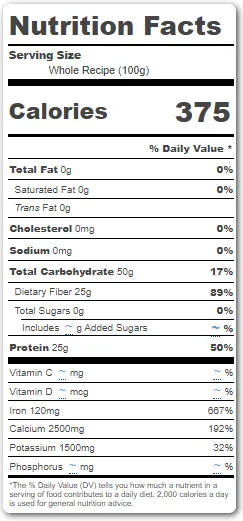
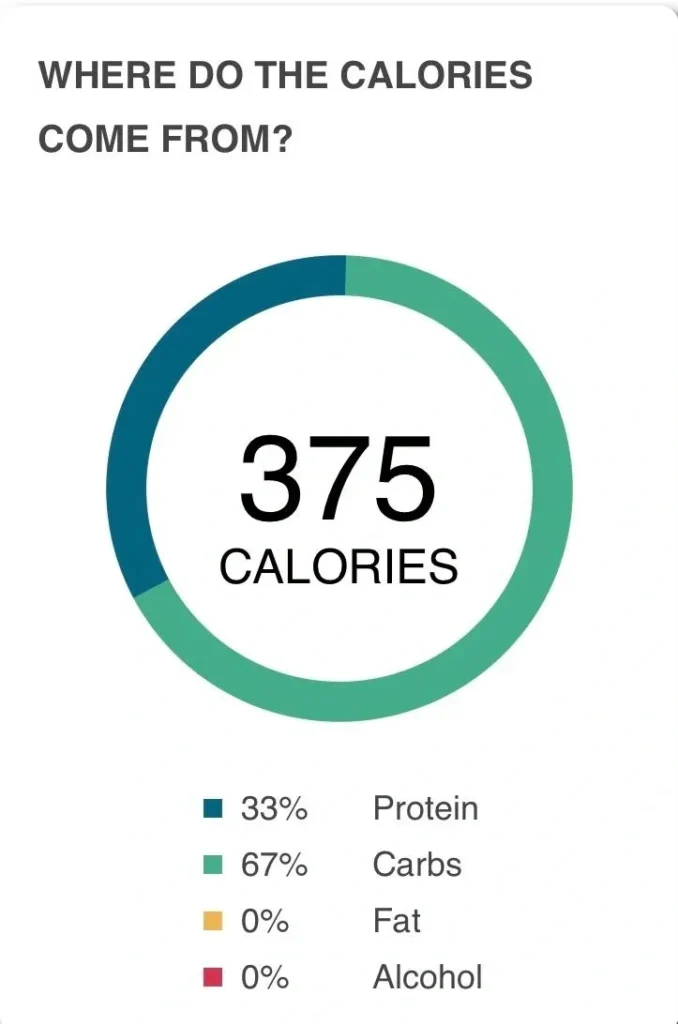
The calorific value of Moringa
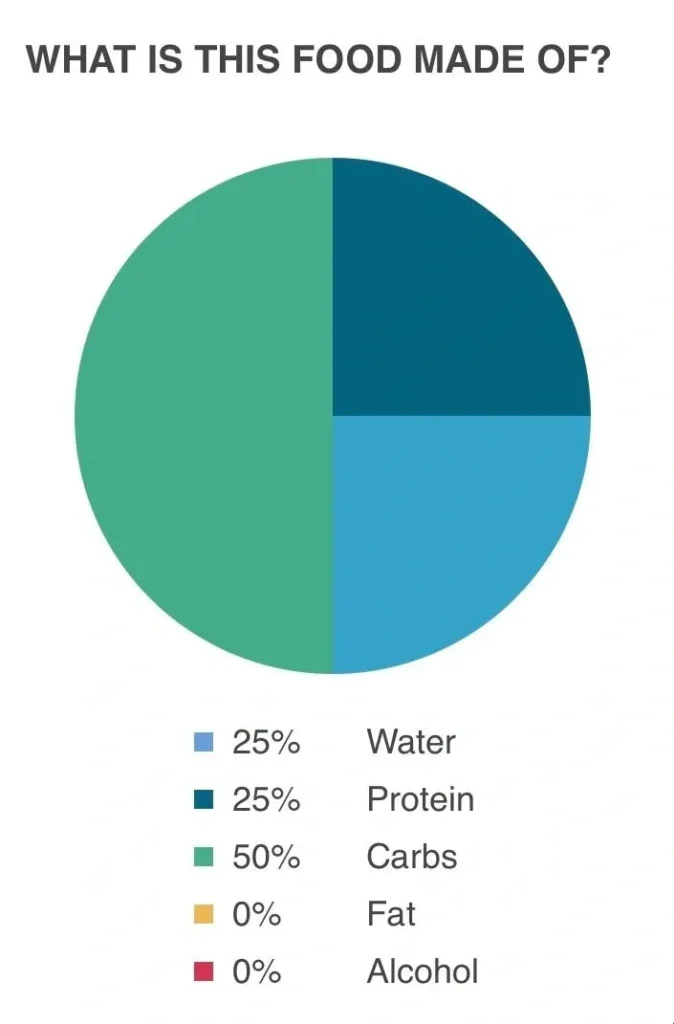
Moringa Constituents
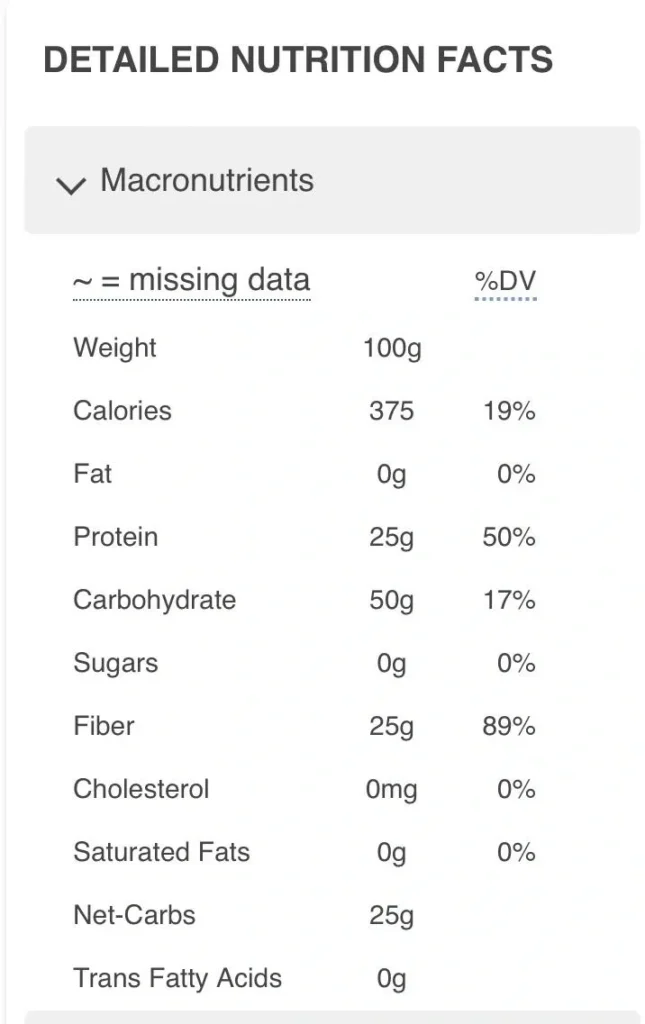
Moringa macronutrients
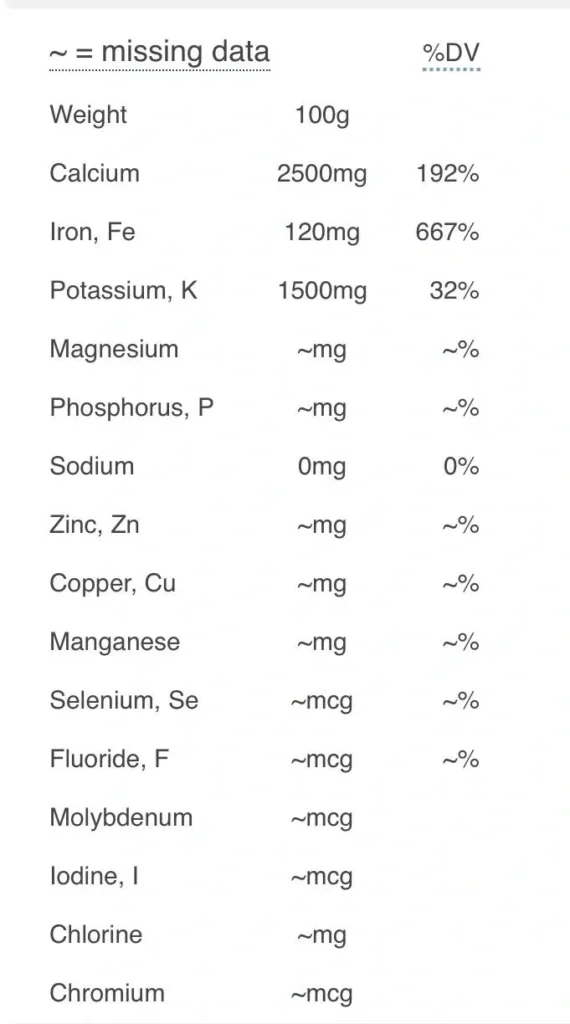
Moringa micronutrients
Recipe Nutrition Calculator by My Food Data
I would also request you to please read my previous post: Benefits of Moringa Plant protein, the versatile Superfood powerhouse.
These are the same lines from my book “Great Health Comes from Exercise & Nutrition”
a) Everyone is an individual, so what suits me, may or may not suit the next person.
b) If a person has a medical condition, a doctor’s advice and prescribed medication will only help.
c) While buying any protein powder from the market read the labels carefully. Also, watch out for various codes, and words like Anti-caking agent, and INS 551( Also known as Silicon dioxide), All these are laboratory-made chemicals, and although approved by regulatory bodies think twice, will you consume a spoon of Silicon dioxide? And Silicon dioxide is just one product, there are numerous others like BHA ( Butylated hydroxyanisole ), BHT ( Butylated hydroxytoluene ) and the list of lab-made chemicals goes on and on with various codes, that we generally ignore.
Hence read the labels especially the ingredients list of the product before buying.
If you are interested in buying chemical-free Natural vegan Protein powder, Health drinks for kids or our delicious but chemical-free Energy bars and Protein bars shop @ Sheer MADness.
d) Exercise is the key to fitness, we should always keep in mind that exercise and nutrition are two sides of the same coin and always go hand in hand. So only nutrition will not help you attain any goals till it is not supplemented with Exercise.
e) Excess of anything is wrong, it can be the best nutrient-filled superfood, but one should consume only recommended quantities.
f) Regarding health, fitness, and nutrition, remember that Rome was not built in a day. Your discipline and consistency is the key.
g) It’s not only Exercise and protein that builds muscles, but there are numerous other factors like a healthy gut, numerous macro and micronutrients, your body type and DNA, the amount of rest the body gets, the lifestyle an individual lives, and on and on it goes. Out of all these, exercise and nutrition are within our control, and one should focus on these two primary aspects.
h) The most important part of fitness is that nothing is better than exercise and a balanced meal.
Disclaimer: Our products are a source of HEALTHY NUTRIENTS and COMPLETELY FREE OF ANY ADDED CHEMICALS.
We do not claim to cure any medical condition.
The content provided is informational. We do not claim to diagnose or treat a person with any specific medical condition.