

Direct answer: Some protein bars are excellent for gut health — and some actively damage it. The difference is entirely in the ingredients. Whole-food protein bars built from oats, almonds, sattu, flaxseed, dates, and jaggery feed specific beneficial gut bacteria through prebiotic fibres, generate short-chain fatty acids (SCFAs) that strengthen the gut lining, and diversify the gut microbiome in ways that research consistently links to better metabolic health, stronger immunity, and even improved mood. Commercial bars containing maltitol, sucralose, whey protein concentrate, and isolated prebiotic fibres like inulin do the opposite — disrupting gut microbiome composition through rapid fermentation gas production, progressive artificial sweetener disruption of beneficial bacteria, and lactose fermentation in the majority of lactose-intolerant Indian adults. The bar determines whether your daily snack habit is building your gut microbiome or damaging it.
I’m Chef Ashutosh Awasthi, founder of Sheer MADness, professional chef, marathon runner, and author of Great Health Comes from Exercise & Nutrition. Let me explain the gut microbiome science behind protein bars — from the specific bacteria that each whole-food ingredient feeds to the SCFA production that determines gut lining integrity.
The gut microbiome — the community of approximately 100 trillion microorganisms in the large intestine — is increasingly recognised as one of the most important determinants of human health. Research from the Human Microbiome Project and subsequent microbiome studies has confirmed that gut microbiome composition influences not just digestive health but immunity, metabolism, cardiovascular health, mental health, and even cognitive function.
A 2022 study published in Cell — one of the most important recent publications on gut health — confirmed that dietary patterns determine gut microbiome composition more powerfully than any single dietary supplement. Consistent daily food choices shape the bacterial populations that colonise the large intestine over weeks and months. The food you eat every day is literally building the bacterial community that lives in your gut and influences your health at every level.
This is why the daily protein bar choice matters more than most people realise. A bar consumed five to seven times per week — as most daily snack habits involve — delivers its ingredients to the gut microbiome on a frequency that progressively shapes bacterial population composition. The right ingredients compound gut microbiome benefits week after week. The wrong ingredients compound gut microbiome damage week after week.
The gut microbiome consists primarily of bacteria across several major phyla. Bacteroidetes and Firmicutes together constitute approximately 90 percent of the gut microbiome in most adults. Actinobacteria (primarily Bifidobacterium), Proteobacteria, and Verrucomicrobia (primarily Akkermansia muciniphila) make up most of the remainder.
Gut microbiome health is characterised primarily by two metrics: diversity and composition. Higher diversity — more distinct bacterial species — consistently correlates with better metabolic health, better immune function, and lower inflammation across multiple population studies. Beneficial composition means adequate populations of the bacteria that produce health-promoting compounds — specifically butyrate-producing Firmicutes like Faecalibacterium prausnitzii, Roseburia intestinalis, and Eubacterium rectale.
Diet is the primary driver of both diversity and composition. Prebiotic fibre from plant foods feeds specific bacterial populations. Fermentable substrates from processed ingredients feed different — and often less beneficial — bacterial populations. The distinction between these two feeding patterns is exactly what separates gut-healthy protein bars from gut-damaging ones.
This is the most important and most under-explained dimension of gut health — and the one that explains why what your gut bacteria eat matters for your health beyond just digestion.
When beneficial gut bacteria ferment prebiotic fibre in the large intestine, the primary metabolic products are short-chain fatty acids (SCFAs) — specifically butyrate, propionate, and acetate. These three SCFAs are not waste products. They are biologically active compounds with specific and important systemic health functions.
Butyrate — produced primarily by Faecalibacterium prausnitzii and Roseburia species — is the primary fuel for colonocyte cells (the cells lining the colon). Colonocytes derive approximately 70 percent of their energy from butyrate. When butyrate is adequate, colonocyte energy supply is maintained and the intestinal epithelial barrier remains intact. When butyrate is deficient — from inadequate prebiotic fibre feeding of butyrate-producing bacteria — colonocyte function deteriorates and intestinal permeability increases.
Increased intestinal permeability — “leaky gut” — allows bacterial endotoxins (lipopolysaccharides, LPS) to cross the gut epithelium into the systemic circulation. LPS triggers toll-like receptor 4 (TLR4) on immune cells and adipocytes, generating chronic low-grade systemic inflammation — the mechanism underlying insulin resistance, metabolic syndrome, cardiovascular disease acceleration, and neuroinflammation that research is increasingly linking to depression and cognitive decline.
Propionate is transported to the liver, where it reduces hepatic lipogenesis and cholesterol synthesis — the same metabolic mechanisms that we discussed in the cardiovascular post. Propionate also suppresses appetite through intestinal gluconeogenesis and free fatty acid receptor (FFAR3) signalling — contributing to satiety signalling that aids weight management.
Acetate is the most abundant SCFA and is used as an energy substrate throughout the body. It also crosses the blood-brain barrier, where it influences appetite-regulating hypothalamic neurons.
The clinical significance: adequate butyrate from prebiotic fibre-fed gut bacteria maintains gut barrier integrity, reduces systemic LPS-driven inflammation, and supports the systemic health outcomes that are associated with high dietary fibre intake in population research. The gut microbiome is not just digesting food — it is producing compounds that regulate metabolism, immunity, and brain function throughout the entire body.
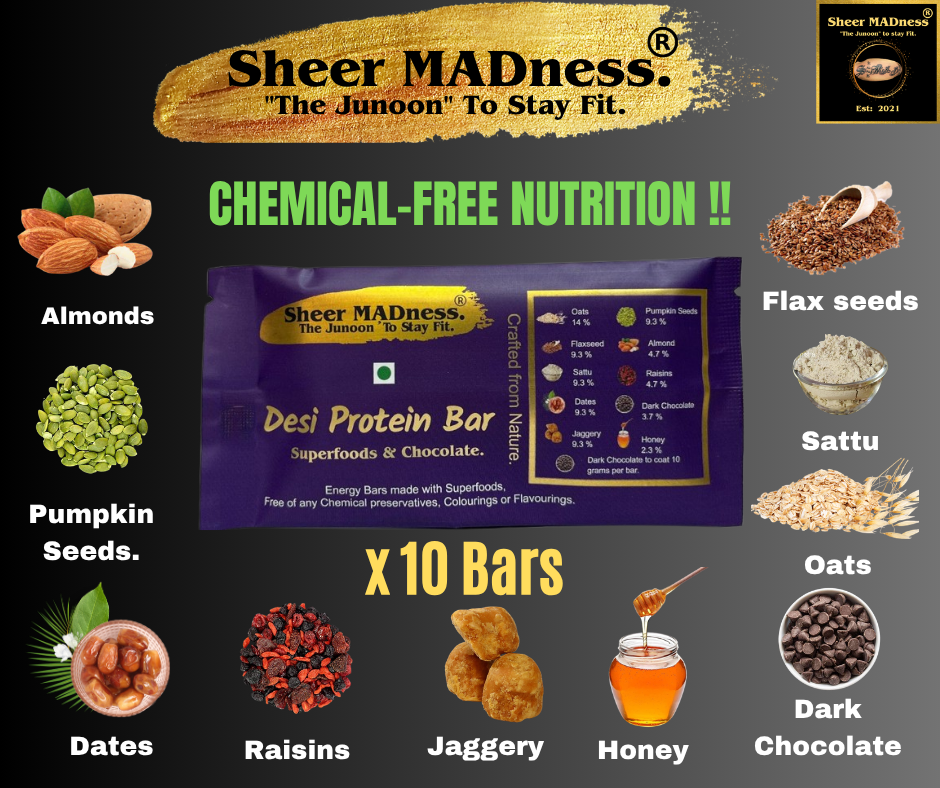
This is the most original and most practically useful section of this post — mapping each whole-food ingredient to the specific bacterial populations it feeds and the SCFA outcomes it produces.
Oat beta-glucan is a soluble fibre that forms a viscous gel in the gut and reaches the large intestine largely intact. Research published in the International Journal of Food Microbiology confirmed that oat beta-glucan specifically increases the relative abundance of Bifidobacterium and Lactobacillus species — the most widely recognised probiotic bacteria associated with gut health and immunity.
Bifidobacterium species ferment beta-glucan to produce acetate and propionate — contributing to the SCFA profile that supports systemic health. Lactobacillus species produce lactic acid that reduces intestinal pH, inhibiting pathogen colonisation and supporting the slightly acidic environment that beneficial bacteria prefer.
Furthermore, oat beta-glucan forms a physical gel that slows the transit of food through the small intestine — giving beneficial bacteria more time to access and ferment substrates before they reach the large intestine. This slowed transit is part of why oat beta-glucan specifically supports beneficial bacteria over pathogenic ones that thrive in faster-transit environments.
Almonds provide prebiotic fibre from their cell wall structure — specifically fructooligosaccharides and resistant starch that reach the large intestine intact. Research published in ISME Journal specifically confirmed that almond consumption significantly increases the relative abundance of Faecalibacterium prausnitzii — the single most butyrate-productive and most health-associated gut bacterium identified in research.
Faecalibacterium prausnitzii abundance is consistently reduced in patients with Crohn’s disease, ulcerative colitis, IBS, obesity, Type 2 diabetes, and depression. Its abundance is among the most reliably positive gut microbiome health markers in population research. Almond’s specific feeding of F. prausnitzii — confirmed in human dietary intervention studies — makes almonds one of the most evidence-based single foods for gut microbiome health available.
Research confirmed in Applied and Environmental Microbiology found that four weeks of daily almond consumption significantly increased butyrate production from F. prausnitzii — confirming that the almond prebiotic fibre reaches its bacterial target and produces the SCFA that matters most for colonocyte health and gut barrier integrity.
Flaxseed provides two distinct fibre types with different gut microbiome effects. Its soluble mucilage — the gel-forming fibre that gives flaxseed its characteristic slippery texture when wet — specifically feeds Akkermansia muciniphila — the gut bacterium whose abundance has the strongest association with metabolic health in research.
Akkermansia muciniphila lives at the interface between the gut epithelium and the gut lumen — colonising and maintaining the mucous layer that physically separates the intestinal contents from the epithelial surface. A. muciniphila degrades mucin for its energy but simultaneously stimulates colonocyte mucin secretion, producing a net increase in mucous layer thickness and quality. This enhanced mucous layer reduces intestinal permeability — protecting against the LPS-driven systemic inflammation discussed above.
Research published in Nature Medicine confirmed that higher A. muciniphila abundance is associated with better insulin sensitivity, lower metabolic endotoxemia, and reduced cardiovascular risk markers. Reducing A. muciniphila abundance — which sucralose, emulsifiers, and low-fibre diets specifically do — is associated with metabolic syndrome progression.
The lignans in flaxseed — SDG converted to enterolignans by gut bacteria — are themselves produced by gut bacteria and influence gut microbiome composition bidirectionally: gut bacteria produce the enterolignans, and the enterolignans in turn modulate gut microbiome composition toward higher diversity.
Sattu provides legume fibre — specifically resistant starch and oligosaccharides from roasted chickpea flour that function as highly effective prebiotics for Bifidobacterium and Ruminococcus species.
The Ruminococcus genus — R. gnavus, R. champanellensis — ferments resistant starch from legumes specifically. These bacteria are significant cross-feeders: their primary fermentation products include acetate and propionate, which in turn feed butyrate-producing bacteria in a cross-feeding network that maximises overall SCFA production from legume fibre.
Furthermore, Indian gut microbiome research confirms that Indian adults typically have high Prevotella abundance relative to Western populations — reflecting the traditional Indian high-vegetable, high-legume, high-grain dietary pattern. Prevotella species ferment plant polysaccharides efficiently and thrive on the sattu, oats, and seed fibres in Sheer MADness bars. Indian bodies and Indian gut bacteria have co-evolved with sattu as a dietary staple — making sattu fibre specifically compatible with the Indian gut microbiome in a way that imported protein sources are not.
Dark chocolate’s most significant gut health contribution is through its polyphenol content — specifically epicatechin and catechin from cocoa.
A study published in the American Journal of Clinical Nutrition found that cocoa polyphenols significantly increased Lactobacillus and Bifidobacterium populations while reducing Clostridia — the bacterial genus most associated with inflammatory bowel disease and antibiotic-associated gut disruption. This polyphenol-driven microbiome benefit from dark chocolate is separate from its cardiovascular flavonoid activity.
Furthermore, dark chocolate polyphenols have antimicrobial activity against gut pathogens — particularly reducing the colonisation of Escherichia coli strains that cause gut inflammation. This selective antimicrobial activity — beneficial bacteria increased, pathogenic bacteria reduced — is the ideal profile for any gut-healthy food.
The natural sweeteners in Sheer MADness bars contribute to gut health through their fibre alongside their natural sugars. Dates provide 6 to 8 grams of fibre per 100 grams alongside their natural fructose — moderating the absorption rate and reducing the colonic substrate load from natural sugars compared to refined sucrose. Raisins provide polyphenols alongside natural fructose and glucose. Jaggery retains trace minerals that refined sugar removes — providing the cofactors for gut bacteria enzyme activity.
Together, these natural sweeteners replace the maltitol, erythritol, and sucralose that specifically damage gut microbiome health — a substitution that represents the most direct gut health benefit of Sheer MADness bars’ natural sweetener philosophy.
This section provides the specific research behind the gut microbiome damage caused by the ingredients that Sheer MADness specifically avoids.
Sucralose reaches the large intestine largely unabsorbed — only approximately 10 to 15 percent is absorbed in the small intestine. In the large intestine, sucralose alters gut bacterial enzyme activity and membrane transport through mechanisms that are incompletely understood but well-documented in their outcomes.
The 2021 Gut Microbes study on sucralose and gut microbiome specifically found that sucralose reduces Lactobacillus and Bifidobacterium populations — the two beneficial bacterial genera that oat beta-glucan and almond fibre are specifically building. Furthermore, sucralose increases intestinal permeability through tight junction disruption — the opposite effect of butyrate from prebiotic fibre fermentation.
A 2023 paper in Cell confirmed that sucralose impairs glucose tolerance in a gut microbiome-mediated pathway — the specific mechanism linking daily artificial sweetener consumption to the insulin resistance that drives metabolic syndrome.
As detailed in the gas and bloating post, maltitol reaches the large intestine and is fermented rapidly by anaerobic bacteria. Unlike prebiotic fibre fermentation — which produces SCFAs that benefit gut health — maltitol fermentation produces primarily hydrogen gas and carbon dioxide without meaningful butyrate production. The gas production causes discomfort, and the osmotic water-drawing effect contributes to loose stools.
More importantly for gut health, maltitol feeds opportunistic bacteria — particularly Clostridia species — that outcompete the beneficial Bifidobacterium and Faecalibacterium populations. Daily maltitol from commercial bars progressively shifts the gut microbiome toward a less beneficial composition, even as the gas symptoms indicate the fermentation is occurring.
Whey protein concentrate contains residual lactose that ferments in the large intestine of the 60 to 70 percent of Indian adults with lactose intolerance — disrupting gut microbiome balance through rapid lactose fermentation gas production as detailed in the gas post.
Furthermore, high concentrated protein loads from whey isolate that exceed the small intestine’s digestion capacity reach the large intestine as protein — which undergoes putrefactive fermentation by Clostridia and Bacteroides species, producing ammonia, hydrogen sulphide, and branched-chain fatty acids. These putrefaction products specifically damage colonocyte mitochondria and reduce butyrate uptake in the colonocyte — impairing the very gut barrier function that butyrate is supposed to maintain.
The combination of lactose fermentation and protein putrefaction from high-protein whey bars is one of the most gut-microbiome-damaging daily dietary patterns available — concentrated in a product marketed specifically for health.
Sheer MADness Protein Bars, Energy Bars, and Millet Bars address gut microbiome health through the most comprehensive whole-food prebiotic fibre system available in an Indian protein bar.
Oat beta-glucan feeds Bifidobacterium and Lactobacillus specifically. Almond prebiotic fibre feeds Faecalibacterium prausnitzii — the most butyrate-productive and most health-associated gut bacterium. Flaxseed mucilage feeds Akkermansia muciniphila — the gut bacterium most strongly associated with metabolic health. Sattu chickpea fibre feeds Ruminococcus species that cross-feed butyrate-producing bacteria. Dark chocolate polyphenols feed Lactobacillus and Bifidobacterium while reducing pathogenic Clostridia.
Zero sucralose to disrupt these bacterial populations. No maltitol to produce gas without butyrate. Zero whey lactose to ferment in the majority of Indian adults with lactose intolerance. No isolated prebiotic inulin to produce the acute gas peak that isolated fibre additives generate.
3 to 5 grams of whole-food fibre per bar — from four separate sources, each feeding a different beneficial bacterial population, producing butyrate that maintains colonocyte integrity, propionate that reduces hepatic lipogenesis, and acetate that supports systemic energy metabolism.
Since 2021, every ingredient is on the front of every pack. The gut microbiome benefits are traceable to every named whole-food ingredient before you open the bar.
India’s gut health pattern has shifted significantly over the past two decades — specifically in urban populations where the dietary transition from traditional high-fibre, high-vegetable, high-legume diets toward refined carbohydrate and processed food diets has been most dramatic.
IBS (Irritable Bowel Syndrome) affects an estimated 4 to 20 percent of Indian adults — with rates higher in urban populations. The primary dietary driver is reduced prebiotic fibre from reduced traditional food consumption — fewer pulses, fewer whole grains, fewer vegetables — reducing the substrates that beneficial gut bacteria require.
The traditional Indian diet that Sheer MADness draws inspiration from — sattu, almonds, dates, jaggery, oats — was specifically high in the prebiotic fibres that gut microbiome research now confirms are essential for gut health. The reformulation of traditional Indian foods into convenient bar form is not just a cultural exercise. It is one of the most evidence-based gut health dietary interventions available for urban Indians managing IBS, metabolic syndrome, and the gut microbiome disruption of dietary transition.
Sheer MADness holds a registered trademark under the Government of India. The Natural Plant Protein formula is patent published under Patent No. 202331036733, searchable on Intellectual Property India. The brand holds a valid FSSAI licence and GSTIN registration.
| Ingredient | Gut Effect | Bacteria Fed | SCFA Produced |
|---|---|---|---|
| Oat beta-glucan | Prebiotic — positive | Bifidobacterium, Lactobacillus | Acetate, propionate |
| Almond prebiotic fibre | Prebiotic — highly positive | Faecalibacterium prausnitzii | Butyrate specifically |
| Flaxseed mucilage | Prebiotic — positive | Akkermansia muciniphila | Mucosal integrity support |
| Sattu chickpea fibre | Prebiotic — positive (Indian gut compatible) | Ruminococcus, Bifidobacterium | Acetate, propionate cross-feeding |
| Dark chocolate polyphenols | Prebiotic/antimicrobial — positive | Lactobacillus, Bifidobacterium; reduces Clostridia | Indirect SCFA support |
| Dates, raisins, jaggery | Moderate prebiotic — positive | Mild Bifidobacterium support | Minor — primarily energy |
| Maltitol (commercial bars) | Rapid fermentation — negative | Opportunistic Clostridia | Hydrogen gas, no butyrate |
| Sucralose (commercial bars) | Microbiome disruption — negative | Reduces Lactobacillus, Bifidobacterium | Disrupts SCFA production |
| Whey concentrate (commercial bars) | Lactose fermentation + protein putrefaction — negative | Increases pathogenic Clostridia | Ammonia, H₂S — gut toxic |
| Inulin isolate (commercial bars) | Rapid acute fermentation — uncomfortable | Bifidobacterium over-stimulation | Rapid gas before butyrate |
Are protein bars good for gut health?
Whole-food protein bars with natural prebiotic fibres — oats, almonds, flaxseed, sattu — are specifically good for gut health. They feed beneficial bacteria including Faecalibacterium prausnitzii (butyrate), Bifidobacterium (acetate, propionate), and Akkermansia muciniphila (mucosal integrity). Commercial bars with maltitol, sucralose, and whey concentrate damage gut microbiome composition through gas-producing fermentation, artificial sweetener disruption, and lactose fermentation.
What are short-chain fatty acids and why do they matter for gut health?
Short-chain fatty acids (butyrate, propionate, and acetate) are the primary products of beneficial gut bacteria fermenting prebiotic fibre. Butyrate is the primary energy source for colonocyte cells — maintaining gut barrier integrity and preventing the intestinal permeability that drives systemic inflammation. Propionate reduces hepatic lipogenesis and supports satiety signalling. Acetate crosses the blood-brain barrier and influences appetite regulation. Adequate SCFA production from whole-food prebiotic fibre is one of the most important outcomes of a gut-healthy diet.
F. prausnitzii is the most butyrate-productive gut bacterium identified in research. Its abundance is consistently reduced in patients with Crohn’s disease, ulcerative colitis, IBS, obesity, Type 2 diabetes, and depression. Almond prebiotic fibre specifically increases F. prausnitzii abundance — making almond-containing bars uniquely effective for gut health compared to bars without almonds.
What does sucralose do to gut bacteria?
The 2021 Gut Microbes study confirmed that sucralose reduces Lactobacillus and Bifidobacterium populations with daily consumption. The 2023 Cell paper confirmed sucralose impairs glucose tolerance through gut microbiome-mediated pathways. Sucralose also increases intestinal permeability through tight junction disruption. These are the direct gut health consequences of daily sucralose consumption from commercial protein bars.
Why is oat beta-glucan specifically good for gut health?
Oat beta-glucan is a soluble fibre that specifically feeds Bifidobacterium and Lactobacillus — the two gut bacteria genera most consistently associated with gut health and immunity. It forms a viscous gel that slows gut transit, giving beneficial bacteria more time to ferment substrates. The EFSA recognises oat beta-glucan’s benefits through approved health claims including glycaemic and cholesterol benefits — both of which are mediated in part through gut microbiome effects.
Flaxseed’s soluble mucilage specifically feeds Akkermansia muciniphila — the gut bacterium whose abundance is most strongly associated with metabolic health in research. A. muciniphila strengthens the gut mucosal barrier that prevents intestinal permeability. Flaxseed’s lignans are processed by gut bacteria into enterolignans that further modulate gut microbiome composition toward higher diversity.
Are Sheer MADness bars good for IBS?
Sheer MADness bars’ whole-food fibre from oats, flaxseed, almonds, and sattu ferments slowly over 6 to 8 hours — avoiding the acute gas production peaks that isolated prebiotic fibres cause. Their zero maltitol formulation eliminates the primary gas-producing fermentation substrate in commercial bars. Their zero sucralose formulation avoids the gut motility disruption that contributes to IBS symptoms. However, IBS is a diverse condition and individual dietary triggers vary — introduce any new food gradually if you have IBS.
How does dark chocolate in protein bars help gut health?
The polyphenols in dark chocolate — epicatechin and catechin — specifically increase Lactobacillus and Bifidobacterium while reducing pathogenic Clostridia species. This dual effect (beneficial bacteria up, pathogenic bacteria down) represents the ideal microbiome-modulating food compound profile. Dark chocolate polyphenols also have selective antimicrobial activity against pathogenic Escherichia coli strains.

The gut microbiome is not a passive bystander in health — it is an active metabolic organ whose outputs (short-chain fatty acids, neurotransmitter precursors, inflammatory modulators) influence every system in the body from immunity to metabolism to mood.
The daily protein bar that feeds Faecalibacterium prausnitzii through almond prebiotic fibre, Akkermansia muciniphila through flaxseed mucilage, Bifidobacterium through oat beta-glucan, and Ruminococcus through sattu chickpea fibre — while generating butyrate that maintains gut barrier integrity, propionate that reduces hepatic lipogenesis, and acetate that supports systemic energy metabolism — is a genuine daily gut health investment.
The daily commercial bar that feeds Clostridia through maltitol fermentation, disrupts Bifidobacterium through sucralose, and causes lactose fermentation through whey concentrate in the majority of lactose-intolerant Indian adults — is a daily gut health liability, regardless of what the protein label number says.
Sheer MADness bars are gut health investments. Eleven whole-food ingredients. Four prebiotic fibre sources feeding four different beneficial bacterial populations. Zero gut-damaging ingredient. Every ingredient on the front of the pack since 2021. At ₹60 per bar.
The gut knows the difference. Choose accordingly.
I would also request you to kindly read my previous post about “Healthiest Protein Bar in India“.
a) Everyone is an individual, so what suits me may not suit the next person.
b) If a person has a medical condition, a doctor’s advice and prescribed medication will only help. IBS, IBD, Crohn’s disease, and other gut conditions require medical management. Dietary choices support gut health but do not treat diagnosed gut conditions.
c) While buying any protein bar from the market, read the labels carefully. Watch out for maltitol, sorbitol, sucralose, inulin, chicory root extract, whey protein concentrate, INS 320 (BHA), INS 321 (BHT), and other ingredients that damage gut microbiome health through fermentation disruption, bacterial population alteration, or lactose fermentation.
If you are interested in buying chemical-free Natural Plant Protein Moringa, Health Drinks for Kids, or our delicious chemical-free Energy Bars, Protein Bars, and Millet Bars, shop at Sheer MADness.
You can also find us on Flipkart, Jio Mart, or ONDC in India.
d) Exercise is the key to fitness. Exercise and nutrition are two sides of the same coin and always go hand in hand.
e) Excess of anything is wrong, even the best whole-food snack. Consume only recommended quantities.
f) Rome was not built in a day. Discipline and consistency are the only keys to lasting health.
g) It is not only exercise and protein that builds health. A healthy gut, macro and micronutrients, body type, rest, and lifestyle all matter. Of all these, exercise and nutrition are within our control. Focus on these two primary aspects first.
h) The most important part of fitness is that nothing is better than exercise and a balanced meal.
Disclaimer: Our products are a source of HEALTHY NUTRIENTS and are COMPLETELY FREE OF ANY ADDED CHEMICALS. We do not claim to cure any medical condition. The content provided is informational. We do not claim to diagnose or treat a person with any specific medical condition.