

Direct answer: Moringa protein supports liver health through four specific and well-researched mechanisms: reducing hepatic oxidative stress through its quercetin and kaempferol antioxidants, reducing liver inflammation through its isothiocyanates and anti-inflammatory compounds, reducing liver fat accumulation — specifically relevant for Non-Alcoholic Fatty Liver Disease (NAFLD) — through its effect on lipid metabolism enzymes, and supporting the liver’s glutathione-dependent Phase II detoxification system. Sheer MADness Plant Protein Moringa delivers these liver-protective compounds without any synthetic chemical additive that would additionally burden the liver’s detoxification capacity — making it specifically more appropriate for liver health support than chemical-laden supplements whose preservatives and artificial sweeteners the liver must process as xenobiotics daily.
This is a YMYL — Your Money or Your Life — health topic. Moringa genuinely supports liver health through documented mechanisms. It does not cure liver disease. It is not a substitute for medical treatment. This post explains the research honestly — and recommends consulting a liver specialist (hepatologist) for anyone with diagnosed liver conditions.
I am Chef Ashutosh Awasthi, founder of Sheer MADness, professional chef, marathon runner, and author of Great Health Comes from Exercise & Nutrition. Let me explain the liver health science behind moringa clearly, honestly, and with specific research — not vague claims.
Before explaining how moringa supports liver health, understanding the scale of India’s liver health problem provides the context that makes this topic genuinely urgent.
Non-Alcoholic Fatty Liver Disease (NAFLD) — a condition where excess fat accumulates in liver cells without alcohol as the cause — is estimated to affect 9 to 32 percent of the general Indian population, with rates in urban populations potentially higher. A 2020 review published in the Journal of Clinical and Experimental Hepatology confirmed NAFLD as the most common liver condition in India, driven by the combination of refined carbohydrate-heavy diets, sedentary urban lifestyles, rising obesity, and Type 2 diabetes prevalence.
NAFLD is particularly concerning because it is largely asymptomatic in its early stages. Most people with early NAFLD feel no symptoms, receive no diagnosis, and take no action until the condition progresses to Non-Alcoholic Steatohepatitis (NASH) — the inflammatory form — or to fibrosis and cirrhosis in advanced stages. By the time symptoms appear, significant liver damage has often already occurred.
Hepatitis B and C remain significant burdens in India — together affecting millions of Indians with chronic infection. Drug-induced liver injury from excessive medication use — including daily over-the-counter pain medication, traditional herb combinations of uncertain composition, and synthetic supplement overuse — is an additional and frequently unrecognised liver health risk in India.
The three primary mechanisms through which diet and lifestyle contribute to or prevent these liver conditions are oxidative stress, inflammation, and lipid accumulation. Moringa specifically addresses all three through documented biochemical mechanisms. This is why moringa’s role in liver health deserves serious, evidence-based attention rather than either dismissal or overclaim.
The liver is the body’s primary chemical processing plant. It performs over 500 distinct physiological functions simultaneously — a level of metabolic complexity that makes it the most functionally sophisticated organ in the human body.
Its primary functions relevant to nutritional health include detoxification, metabolism, synthesis, storage, and bile production.
Detoxification occurs through a two-phase process. Phase I detoxification uses cytochrome P450 enzymes to convert fat-soluble toxins into intermediate compounds. Phase II detoxification conjugates these intermediates with molecules like glutathione, sulphate, or glucuronate — making them water-soluble and excretable through urine or bile. Both phases require specific cofactors and antioxidants. When these are inadequate — or when the toxic load overwhelms the system — liver cell damage results.
Lipid metabolism determines whether dietary fats are efficiently processed or accumulate as fat deposits in liver cells. Insulin resistance — extremely common in Indian urban adults — specifically impairs this metabolism, causing excess triglycerides to accumulate in hepatocytes. This is the direct biological mechanism of NAFLD.
Synthesis functions include the production of albumin (the blood’s primary protein), clotting factors, and bile salts. Protein malnutrition — inadequate dietary protein — specifically impairs these synthetic functions. This is one reason adequate dietary protein, including from whole-food plant sources like moringa, matters specifically for liver health rather than just for muscle building.
Glycogen storage — the liver’s capacity to store carbohydrate as glycogen and release it between meals to maintain blood glucose — depends on adequate magnesium and B vitamins as cofactors for the relevant enzymatic processes. Moringa provides both.
Oxidative stress is the primary driver of liver cell damage across virtually every liver condition — from NAFLD to hepatitis to drug-induced liver injury. When the liver’s antioxidant defence system is overwhelmed by free radicals from toxin processing, lipid peroxidation, or inflammatory mediators, hepatocyte DNA and membrane integrity is compromised. This oxidative damage is the cellular pathway through which liver inflammation and fibrosis develop.
Moringa leaf is one of the most antioxidant-rich plant foods identified. Its quercetin content — approximately 50 to 60 milligrams per 100 grams of dry leaf powder — is among the highest of any plant food. Quercetin specifically acts on the liver through Nrf2 pathway activation — the nuclear transcription factor that upregulates the liver’s own glutathione synthesis and antioxidant enzyme production.
A 2019 study published in the journal Oxidative Medicine and Cellular Longevity specifically investigated moringa’s hepatoprotective antioxidant effects. The study demonstrated that moringa leaf extract significantly increased hepatic glutathione levels, reduced malondialdehyde (MDA) — the primary lipid peroxidation marker — and improved superoxide dismutase (SOD) and catalase activities in liver tissue. These are the specific antioxidant enzymes that protect hepatocytes from oxidative damage.
Furthermore, moringa’s kaempferol and chlorogenic acid provide complementary antioxidant action through different molecular pathways — protecting liver cells from multiple oxidative mechanisms simultaneously. The combination of these three antioxidants in moringa leaf creates a broader spectrum hepatoprotective effect than any single antioxidant compound alone.
Liver inflammation — hepatitis in the clinical sense — drives the progression from simple steatosis (fat accumulation) to NASH, from NASH to fibrosis, and from fibrosis to cirrhosis. The inflammatory mediators most responsible for this progression are TNF-α, IL-6, NF-κB, and the stellate cell activation that drives collagen deposition and fibrosis.
Moringa’s isothiocyanates — specifically 4-(α-L-rhamnosyloxy)benzyl isothiocyanate (MIC), the primary bioactive isothiocyanate in moringa — directly inhibit NF-κB activation. NF-κB is the master inflammatory transcription factor that drives the production of TNF-α, IL-6, IL-1β, and COX-2 in liver tissue.
A 2014 study published in the Journal of Food Science confirmed that moringa leaf extract significantly reduced NF-κB activity and inflammatory cytokine production in hepatic cell models. A 2018 animal study published in the International Journal of Molecular Sciences found that moringa supplementation reduced hepatic TNF-α, IL-6, and transforming growth factor-beta (TGF-β) — the specific cytokine that drives hepatic stellate cell activation and fibrosis. These results are from controlled experimental studies — not from marketing materials.
The turmeric in Sheer MADness Plant Protein Moringa compounds this anti-inflammatory hepatic effect. Curcumin specifically inhibits hepatic stellate cell activation — the cellular mechanism through which liver inflammation becomes liver fibrosis. Research published in Gut confirmed curcumin’s anti-fibrotic hepatic effects in human stellate cell models, with specific mechanisms involving NF-κB and TGF-β inhibition. The combination of moringa isothiocyanates and turmeric curcumin addresses hepatic inflammation through two separate but complementary molecular pathways — creating a more comprehensive anti-inflammatory liver effect than either ingredient alone.
This is the mechanism most directly relevant to India’s NAFLD epidemic.
NAFLD develops when hepatic lipid accumulation exceeds the liver’s capacity to process and export fats. Two primary pathways drive this: increased fatty acid delivery to the liver from adipose tissue (driven by insulin resistance), and impaired hepatic beta-oxidation — the process by which the liver burns fatty acids for energy. When beta-oxidation is impaired, fatty acids accumulate as triglycerides in hepatocytes.
Multiple animal and cell-line studies have investigated moringa’s anti-steatotic effects. A 2014 study published in the Journal of Diabetes found that moringa leaf extract significantly reduced hepatic triglyceride accumulation, reduced lipogenesis enzyme activity, and improved beta-oxidation enzyme activity in a high-fat diet animal model of NAFLD. The researchers identified moringa’s quercetin and isothiocyanates as the primary active compounds responsible for these lipid-regulatory effects.
A 2018 review published in Antioxidants (MDPI) specifically on moringa and metabolic disorders summarised multiple preclinical studies showing moringa’s capacity to reduce hepatic fat accumulation, improve lipid profiles, and reduce liver enzyme elevations — the biochemical markers of hepatocyte stress and damage. The review identified mechanisms including AMPK activation (the cellular energy sensor that promotes fat burning), reduced fatty acid synthase (FASN) expression, and improved mitochondrial function in hepatocytes.
Flaxseed’s omega-3 ALA in Sheer MADness Plant Protein Moringa adds a complementary anti-steatotic mechanism. Research published in Hepatology confirmed that omega-3 fatty acid supplementation reduces hepatic triglyceride accumulation and improves liver enzyme levels in NAFLD patients through PPAR-α activation — the nuclear receptor that promotes hepatic fat oxidation. The combination of moringa’s AMPK-activating compounds and flaxseed’s omega-3 PPAR-α activation addresses hepatic fat accumulation through two separate enzymatic pathways.
This is the most overlooked liver benefit of moringa — and one of the most important for people regularly exposed to environmental toxins, processed food chemicals, medications, or synthetic food additives.
Phase II liver detoxification is the enzyme-dependent process that makes fat-soluble toxins water-soluble for excretion. The primary Phase II enzymes include glutathione S-transferase (GST), UDP-glucuronosyltransferase (UGT), sulfotransferase (SULT), and N-acetyltransferase (NAT). These enzymes conjugate toxin intermediates with glutathione, glucuronate, sulphate, or acetyl groups — enabling their urinary or biliary excretion.
Moringa leaf contains compounds that specifically induce Phase II detoxification enzymes — particularly glutathione S-transferase. Research published in Food and Chemical Toxicology identified moringa isothiocyanates as potent Phase II enzyme inducers through Nrf2 pathway activation — the same pathway through which cruciferous vegetables like broccoli and sulforaphane exert their detoxification-enhancing effects.
This Phase II enzyme induction capacity makes moringa specifically relevant for liver health in Indian urban environments — where daily exposure to processed food chemical additives, environmental pollutants, vehicle emissions, and medication metabolites places continuous demands on the liver’s detoxification capacity. A daily moringa consumption habit that enhances Phase II detoxification enzyme activity provides sustained support for the liver’s most fundamental protective function.
This is the argument that most powerfully differentiates Sheer MADness Plant Protein Moringa from commercial protein supplements in the context of liver health — and it is the argument most specific to this brand.
The liver processes every xenobiotic compound — every synthetic chemical — that enters the body. BHA (INS 320), BHT (INS 321), and other synthetic preservatives used in most commercial protein supplements are classified as xenobiotics. They undergo hepatic Phase I oxidation to form reactive intermediates, followed by Phase II conjugation for excretion. This processing consumes the liver’s Phase II enzyme capacity and its glutathione reserves.
Daily synthetic preservative consumption from a supplement consumed specifically for “health” therefore directly competes with the liver’s capacity to process other toxins from food, environment, and medications. Every milligram of BHT the liver must process is a milligram of glutathione and Phase II enzyme activity diverted from other toxic compounds.
Artificial sweeteners — sucralose, aspartame — are also processed as xenobiotics. A 2017 study in the journal Regulatory Toxicology and Pharmacology found that sucralose undergoes hepatic metabolism to chlorinated metabolites that accumulate in the liver over time with daily consumption. For a liver already managing the burden of NAFLD, hepatitis, or metabolic disease, this additional daily synthetic chemical load is a meaningful — if largely invisible — hepatotoxic burden.
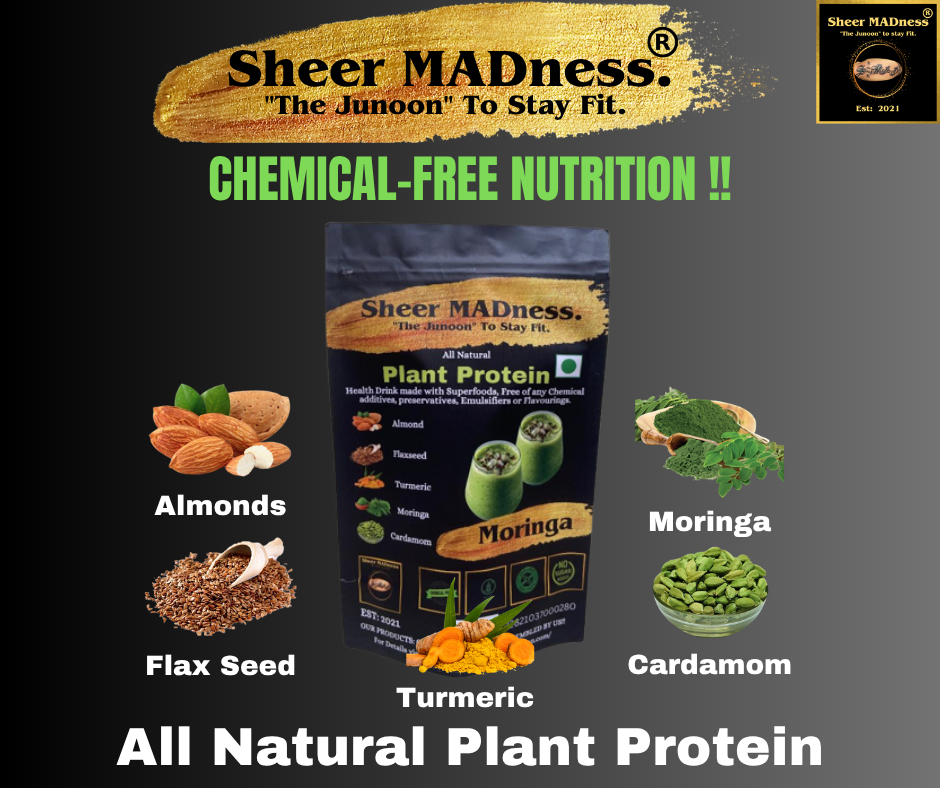
Sheer MADness Plant Protein Moringa contains zero synthetic chemical additive. No BHA, no BHT, no sucralose, no artificial sweetener, no synthetic preservative, no INS-coded additive. The liver receives only the natural food compounds in moringa leaf, almonds, flaxseed, turmeric, and cardamom — compounds that are recognised substrates for normal hepatic metabolic pathways rather than foreign xenobiotics.
This is the most specific and most honest liver health argument for Sheer MADness: the product that supports your liver does not simultaneously burden it with chemicals your liver must additionally process.
The Indian diet has shifted toward higher refined carbohydrate intake, higher refined oil consumption, reduced whole grain and pulse intake, and significantly increased processed food consumption over the past two decades. These shifts are the direct dietary drivers of NAFLD’s rising prevalence in India.
Furthermore, India has the world’s highest burden of Type 2 diabetes — and insulin resistance, the metabolic driver of NAFLD, precedes overt diabetes by years or decades. The estimated 77 million Indian adults with diabetes represent the diagnosed tip of a much larger insulin-resistant population at elevated NAFLD risk.
The lifestyle intervention most strongly supported by evidence for NAFLD management is weight loss through dietary modification and increased physical activity — specifically reducing refined carbohydrate and refined oil intake while increasing plant food, fibre, and antioxidant consumption. Moringa as part of this plant-food shift is specifically appropriate.
A 2021 systematic review in Nutrients on dietary interventions for NAFLD confirmed that antioxidant-rich plant foods consistently improve liver enzyme levels (ALT, AST), reduce hepatic fat fraction on imaging, and reduce inflammatory markers in NAFLD patients across multiple studies. Moringa’s exceptional antioxidant and anti-inflammatory profile — combined with its lipid metabolism effects — positions it among the most nutritionally appropriate foods for people managing NAFLD through diet.
This section addresses the specific role of moringa’s protein — not just its antioxidants — in supporting liver health.
Protein malnutrition specifically impairs liver function. The liver produces albumin — the blood’s primary transport protein — at rates that depend directly on dietary amino acid availability. Albumin production declines with protein insufficiency, reducing the liver’s capacity to transport hormones, vitamins, minerals, and drugs through the bloodstream.
Furthermore, the liver’s synthesis of clotting factors — including fibrinogen, prothrombin, and factors V, VII, IX, and X — requires adequate protein from diet. In protein-malnourished individuals, clotting factor synthesis declines, increasing bleeding risk. This is why protein malnutrition is specifically contraindicated in liver disease management — and why adequate dietary protein is a specific therapeutic target in hepatology.
Moringa’s complete plant protein — providing all nine essential amino acids — supports the liver’s synthetic capacity directly. The amino acids from moringa provide the substrate for albumin synthesis, clotting factor production, and enzyme synthesis that the liver requires for its functional integrity.
For Indian vegetarians and vegans who need adequate complete plant protein without dairy — the lactose intolerance that most Indian adults experience makes whey protein specifically inappropriate for daily consumption — moringa provides the complete amino acid profile that liver synthetic function requires.
Almonds in Sheer MADness Plant Protein Moringa contribute specific liver benefits beyond their protein contribution.
Vitamin E — at 12.5 milligrams per 100 grams of almonds — is the most studied nutritional intervention for NASH specifically. Research published in the New England Journal of Medicine (the PIVENS trial) found that Vitamin E supplementation at 800 IU per day significantly improved histological NASH outcomes in non-diabetic adult patients — reducing hepatocyte ballooning, reducing lobular inflammation, and reducing overall NAFLD activity score.
Whole-food Vitamin E from almonds arrives as the natural mixed tocopherol form — including alpha, beta, gamma, and delta tocopherols — rather than the synthetic dl-alpha-tocopherol used in supplements. Research confirms that mixed natural tocopherols have superior bioavailability and antioxidant activity compared to synthetic Vitamin E. Furthermore, almonds deliver Vitamin E alongside the healthy monounsaturated fats that are essential for fat-soluble vitamin absorption — creating the food-matrix context that maximises hepatic Vitamin E delivery.
The healthy monounsaturated fats in almonds also specifically support liver health by replacing the refined carbohydrates and saturated fats that drive hepatic lipid accumulation. Research published in the Journal of Hepatology confirmed that replacing refined carbohydrate calories with monounsaturated fats reduces hepatic fat content and improves liver enzyme levels in NAFLD patients.
Flaxseed’s ALA omega-3 in Sheer MADness Plant Protein Moringa provides liver benefits that go beyond the anti-steatotic effects already described.
Research published in Hepatology confirmed that omega-3 supplementation reduces hepatic stellate cell activation — the cellular mechanism through which liver inflammation becomes liver fibrosis. Hepatic stellate cells, when activated by inflammatory cytokines and oxidative stress, produce collagen that progressively stiffens liver tissue. This stellate cell activation is the cellular mechanism of liver fibrosis — and preventing it is one of the most important therapeutic targets in NASH management.
Omega-3’s anti-fibrotic effect operates through two mechanisms: reducing the inflammatory cytokines (TNF-α, TGF-β) that activate stellate cells, and directly reducing stellate cell contractility through endocannabinoid system modulation. Both mechanisms are relevant to the moringa-flaxseed combination in Sheer MADness Plant Protein Moringa — where moringa’s anti-inflammatory isothiocyanates reduce the cytokine trigger for stellate cell activation, and flaxseed’s omega-3 reduces stellate cell activity directly.
This dual approach to fibrosis prevention from two whole-food ingredients is more mechanistically complete than either ingredient provides alone.
The most practically effective daily liver health routine with Sheer MADness Plant Protein Moringa is consistent, morning consumption — because the liver’s detoxification work peaks during overnight fasting, and morning nutritional support provides the antioxidants and amino acids most needed at the start of the liver’s active metabolic day.
Morning liver support drink: Mix two to three tablespoons of Sheer MADness Plant Protein Moringa into 250ml of warm water or warm plant milk. Add a small piece of fresh ginger or half a teaspoon of additional turmeric if desired. Drink before breakfast or as a light breakfast alongside fresh fruit. This provides the moringa antioxidants, turmeric curcumin, flaxseed omega-3, and almond Vitamin E at the nutritional moment the liver most benefits from them.
Post-exercise liver recovery: Mix two tablespoons into warm milk within 30 minutes of exercise. Exercise generates free radicals that the liver processes alongside its normal detoxification burden. Post-exercise moringa antioxidant support specifically reduces this exercise-generated oxidative liver burden.
Pre-meal preparation: Mix one tablespoon into a smoothie with vegetable-heavy ingredients — spinach, cucumber, amla — for a liver-targeted nutritional combination that delivers multiple plant antioxidant compounds together.
Always pair with adequate water intake. The liver’s Phase II detoxification excretion — through urine and bile — requires adequate hydration for efficient toxin clearance.
This section is specifically important for anyone reading this post because of an existing liver condition.
Moringa protein and the Sheer MADness blend support liver health through dietary nutrition. They are not treatments for liver disease.
Anyone with diagnosed liver conditions — NAFLD, NASH, cirrhosis, hepatitis B or C, drug-induced liver injury, or autoimmune hepatitis — should be under the care of a hepatologist or gastroenterologist. Dietary interventions, including moringa, should be discussed with and approved by their treating physician.
Some specific cautions apply. People on warfarin or other blood thinners should note that moringa contains Vitamin K in meaningful amounts — which can affect anticoagulant dosing. Discuss with your physician before regular moringa consumption if on anticoagulation.
People with active hepatitis B or C should not rely on dietary supplements as a substitute for antiviral treatment. The evidence base for dietary management in viral hepatitis is supportive rather than curative.
People with cirrhosis have specific protein requirements that may differ from healthy adults — some cirrhotics require protein restriction while others need protein supplementation. This must be individually managed by a hepatologist.
Sheer MADness holds a registered trademark under the Government of India. The Natural Plant Protein formula is patent published under Patent No. 202331036733, searchable on Intellectual Property India. The brand holds a valid FSSAI licence and GSTIN registration.
| Liver Health Feature | Sheer MADness Moringa Blend | Commercial Whey Protein | Generic Moringa Capsule |
|---|---|---|---|
| Hepatic antioxidant support | High — quercetin, kaempferol, chlorogenic acid | Absent | Moderate — moringa only |
| Nrf2/glutathione pathway activation | Yes — moringa isothiocyanates | Absent | Partial |
| NF-κB anti-inflammatory hepatic | Yes — moringa + turmeric curcumin dual action | Absent | Partial — moringa only |
| Anti-steatotic AMPK activation | Yes — moringa compounds | Absent | Partial |
| Omega-3 anti-fibrotic support | Yes — flaxseed ALA | Absent | Absent |
| Vitamin E for NASH histology | Yes — natural mixed tocopherols from almonds | Absent or synthetic | Absent |
| Phase II enzyme induction | Yes — moringa isothiocyanates | Absent | Partial |
| Daily chemical liver burden | Zero — no synthetic additives | BHA, BHT daily | Usually absent |
| Complete protein for liver synthesis | Yes — moringa complete amino acid profile | Yes — but dairy-derived | Protein contribution only |
| Lactose-free for Indian liver patients | Yes — fully dairy-free | No — lactose issue | Yes |
| Price point | Accessible — ₹/serving competitive | High | Variable |
Does moringa support liver health?
Yes — through four specific, researched mechanisms: antioxidant protection of hepatocytes through quercetin and Nrf2 activation, anti-inflammatory inhibition of NF-κB and inflammatory cytokines through moringa isothiocyanates and turmeric curcumin, anti-steatotic reduction of hepatic fat accumulation through AMPK activation and lipogenesis enzyme inhibition, and Phase II detoxification enzyme induction through isothiocyanate-mediated Nrf2 pathway activation.
Can moringa help with fatty liver (NAFLD)?
Preclinical research and animal studies consistently show moringa reduces hepatic triglyceride accumulation and improves lipid metabolism markers in NAFLD models. Human clinical trials on moringa specifically for NAFLD are limited — though the biochemical mechanisms are well-documented. People with diagnosed NAFLD should discuss dietary interventions including moringa with their hepatologist.
The liver processes every synthetic chemical additive that enters the body. BHA, BHT, sucralose, and synthetic preservatives in commercial supplements are processed as xenobiotics — consuming liver enzyme capacity and glutathione reserves. A daily supplement that supports liver health should not simultaneously burden it with synthetic chemicals. Sheer MADness Plant Protein Moringa contains zero synthetic additive.
Is Vitamin E from almonds good for liver health?
Yes — the PIVENS trial published in the New England Journal of Medicine confirmed that Vitamin E significantly improved histological NASH outcomes. Almonds provide natural mixed tocopherol Vitamin E alongside the healthy fats that enable fat-soluble vitamin absorption — making whole-food almond Vitamin E specifically more bioavailable than synthetic Vitamin E supplements.
Omega-3 from flaxseed reduces hepatic stellate cell activation — the cellular mechanism of liver fibrosis — through reducing inflammatory cytokines (TNF-α, TGF-β) that trigger stellate cells, and through direct stellate cell contractility reduction. Research in Hepatology confirmed these anti-fibrotic omega-3 effects.
Is moringa safe for people with liver disease?
Moringa is generally considered hepatoprotective rather than hepatotoxic in standard food-level doses. However, people with diagnosed liver conditions should always consult their hepatologist before adding any new supplement — including moringa — to their regimen. Specific concerns include warfarin interaction from moringa’s Vitamin K content and individual protein requirements in cirrhosis.
How often should I take Sheer MADness Plant Protein Moringa for liver health?
Daily consumption provides the most consistent liver health support — because the antioxidant, anti-inflammatory, and Phase II enzyme induction effects accumulate with consistent daily intake. Two to three tablespoons daily in warm milk or water is the appropriate serving size for most healthy adults.
Does moringa contain Vitamin E?
Moringa leaf contains modest Vitamin E — primarily alpha-tocopherol at approximately 113 milligrams per 100 grams in some analyses. However, the most significant Vitamin E contribution in Sheer MADness Plant Protein Moringa comes from almonds — at approximately 12.5 milligrams per 100 grams of natural mixed tocopherols alongside the healthy fats that enable fat-soluble vitamin absorption.
The liver is the organ that processes everything you eat, breathe, and absorb — and it specifically benefits from consistent daily nutritional support through antioxidants, anti-inflammatory compounds, lipid metabolism support, and Phase II detoxification enzyme induction.
Moringa provides all four of these benefits through documented molecular mechanisms. Its quercetin, kaempferol, and isothiocyanates activate the Nrf2 pathway that increases hepatic glutathione and antioxidant enzyme production. These isothiocyanates and companion turmeric curcumin inhibit NF-κB — reducing the hepatic inflammatory cascade that drives NAFLD progression to NASH and fibrosis. Its AMPK-activating compounds reduce hepatic fat accumulation. These isothiocyanates induce Phase II detoxification enzymes.
Sheer MADness Plant Protein Moringa delivers these mechanisms alongside almond Vitamin E for NASH-specific hepatocyte protection, flaxseed omega-3 for anti-fibrotic stellate cell suppression, and turmeric curcumin for additional anti-fibrotic NF-κB inhibition — from five whole-food ingredients with zero synthetic chemical that would add to the liver’s daily processing burden.
This is the most honest, most comprehensive, and most practical liver health supplement argument available for moringa in India. Not a cure. Not magic. Specific, research-backed nutritional support for the organ that processes everything you consume — delivered without adding to the chemical load it must process.
Since 2021, every ingredient is on the front of the pack. The liver — and you — can see exactly what is coming.
I would also request you to please read my previous post: Benefits of Moringa Plant protein, the versatile Superfood powerhouse.
a) Everyone is an individual, so what suits me may not suit the next person.
b) If a person has a medical condition, a doctor’s advice and prescribed medication will only help. People with diagnosed liver conditions — NAFLD, NASH, hepatitis, cirrhosis — should consult their hepatologist before making dietary changes.
c) While buying any protein powder from the market, read the labels carefully. Watch out for INS codes, Anti-caking agent, INS 551 (Silicon dioxide), BHA (Butylated hydroxyanisole), BHT (Butylated hydroxytoluene), sucralose, and other lab-made chemicals — every one of which the liver must process as a xenobiotic, adding to the burden of the very organ you may be trying to support.
If you are interested in buying chemical-free Natural Plant Protein Moringa, Health Drinks for Kids, or our delicious chemical-free Energy Bars, Protein Bars, and Millet Bars, shop at Sheer MADness.
You can also find us on Flipkart, Jio Mart, or ONDC in India.
d) Exercise is the key to fitness. Exercise and nutrition are two sides of the same coin and always go hand in hand.
e) Excess of anything is wrong, even the best whole-food superfood. Consume only recommended quantities.
f) Rome was not built in a day. Discipline and consistency are the only keys to lasting health.
g) It is not only exercise and protein that builds health. A healthy gut, macro and micronutrients, body type, rest, and lifestyle all matter. Of all these, exercise and nutrition are within our control. Focus on these two primary aspects first.
h) The most important part of fitness is that nothing is better than exercise and a balanced meal.
Disclaimer: Our products are a source of HEALTHY NUTRIENTS and are COMPLETELY FREE OF ANY ADDED CHEMICALS. We do not claim to cure any medical condition. The content provided is informational. We do not claim to diagnose or treat a person with any specific medical condition