

Direct answer: Moringa protein supports athletic endurance through five specific physiological mechanisms: iron-dependent haemoglobin support for oxygen delivery to working muscles, quercetin-mediated mitochondrial biogenesis that increases aerobic capacity, antioxidant protection against the elevated free radical production of sustained exercise, B vitamin cofactors for the ATP production pathways that power aerobic metabolism, and anti-inflammatory compounds that reduce the cumulative fatigue load of high-volume endurance training. Sheer MADness Plant Protein Moringa compounds these moringa-specific endurance benefits with flaxseed omega-3 for DOMS reduction between training sessions and almond magnesium for ATP synthesis efficiency — creating the most comprehensive plant-based endurance nutrition available from a single whole-food powder in India.
I am Chef Ashutosh Awasthi, founder of Sheer MADness, professional chef, marathon runner, and author of Great Health Comes from Exercise & Nutrition. I run marathons. This is not a theoretical endorsement. Moringa has been part of my daily training nutrition for years — before and after training sessions, through long preparation blocks, and in the specific recovery windows that determine marathon readiness. Let me explain the endurance science behind moringa from both a research perspective and a practitioner’s perspective.
Endurance performance is fundamentally different from strength or power performance — and the nutritional requirements are fundamentally different as well. Understanding what endurance requires physiologically explains precisely why moringa’s nutritional profile is specifically aligned with endurance athletes’ needs.
VO2max is the maximum rate at which the body can consume oxygen during maximal exercise. It is the primary determinant of endurance capacity — the ceiling above which no aerobic effort can be sustained. VO2max is determined by the cardiovascular system’s capacity to deliver oxygen-rich blood to working muscles, and the muscles’ capacity to extract and utilise that oxygen.
Two factors directly limit VO2max: cardiac output (how much blood the heart pumps per minute) and haemoglobin concentration (how much oxygen each litre of blood carries). Haemoglobin — the iron-containing protein in red blood cells — is therefore one of the most direct determinants of VO2max.
Iron deficiency — even without clinical anaemia — measurably reduces haemoglobin concentration and VO2max in endurance athletes. Research confirms that iron-deficient non-anaemic athletes show VO2max values 4 to 7 percent below their iron-replete baseline — a meaningful endurance performance deficit.
Moringa’s exceptional iron content — 28 milligrams per 100 grams dry weight — directly supports haemoglobin maintenance for endurance athletes whose training demands elevate iron turnover through foot-strike haemolysis in runners, sweat losses, and increased red blood cell production with training adaptation.
The lactate threshold is the exercise intensity at which lactate accumulates faster than it can be cleared — the point above which exercise becomes unsustainable for long durations. Training raises the lactate threshold. Nutrition supports this by ensuring the mitochondria operate efficiently enough to clear lactate at higher exercise intensities.
Mitochondrial efficiency depends critically on B vitamins — specifically riboflavin (B2), niacin (B3), and pyridoxine (B6) — as cofactors for the Krebs cycle and electron transport chain enzymes that power aerobic ATP production. Moringa leaf provides meaningful B vitamin concentrations — Vitamin B6 at approximately 0.9 milligrams per 100 grams and riboflavin at approximately 0.7 milligrams per 100 grams — supporting the mitochondrial enzyme activity that determines lactate threshold.
During sustained aerobic exercise above approximately 60 percent of VO2max, glycogen — stored carbohydrate in muscle and liver — becomes the primary fuel. Glycogen stores are limited. The depletion of muscle glycogen is the primary cause of the fatigue “wall” that endurance athletes experience at approximately 90 minutes to 2 hours of sustained effort.
Endurance nutrition strategies aim to preserve glycogen by maximising fat oxidation at a given exercise intensity — allowing fat to fuel a greater proportion of the energy demand and sparing glycogen for when it is most needed. Factors that improve fat oxidation rate at submaximal intensities include omega-3 fatty acid availability and magnesium-dependent mitochondrial fat oxidation enzyme activity.
Flaxseed omega-3 in Sheer MADness Plant Protein Moringa supports fat oxidation through PPAR-α receptor activation — the nuclear receptor that upregulates fat oxidation enzyme gene expression in skeletal muscle. Almond magnesium supports the enzymatic efficiency of the fat oxidation process itself. Together, these two whole-food ingredients complement moringa’s direct endurance benefits through improved glycogen economy.
Quercetin — present in moringa leaf at approximately 50 to 60 milligrams per 100 grams — is one of the most extensively researched flavonoids for athletic endurance, and the specific mechanism through which moringa supports aerobic capacity beyond haemoglobin.
Research published in the Journal of Sports Science and Medicine confirmed that quercetin supplementation improves endurance performance through two specific mechanisms: increasing mitochondrial density through PGC-1α pathway activation, and reducing exercise-induced oxidative stress that impairs mitochondrial function.
PGC-1α (Peroxisome proliferator-activated receptor gamma coactivator 1-alpha) is the master regulator of mitochondrial biogenesis — the process by which muscle cells create new mitochondria. More mitochondria per muscle cell means greater aerobic ATP production capacity, higher sustainable exercise intensity, and better lactate clearance at any given effort level.
Quercetin activates the PGC-1α pathway through AMPK and sirtuin pathway modulation — creating a training-like stimulus for mitochondrial biogenesis independent of the exercise stimulus itself. In practical terms, this means daily moringa consumption with its quercetin content provides a complementary mitochondrial adaptation stimulus that compounds the mitochondrial benefits of the training itself.
A 2010 meta-analysis published in the International Journal of Sport Nutrition and Exercise Metabolism — one of the first systematic reviews on quercetin and endurance — found that dietary quercetin improved VO2max by an average of 3.9 percent and endurance performance time by 2.82 percent across multiple studies. While these are modest effects in isolation, for a trained endurance athlete where performance differences are measured in minutes and seconds, a 2 to 4 percent performance improvement from daily whole-food nutrition is significant.
Endurance exercise generates free radicals at rates proportional to exercise duration and intensity. A 60-minute easy run generates fewer free radicals than a 3-hour marathon training run. The longer and harder the session, the greater the oxidative stress and the greater the demand on antioxidant defence systems.
When antioxidant defence is overwhelmed by exercise-generated free radical production — as it frequently is in high-volume endurance training blocks — the result is exercise-induced oxidative damage that impairs mitochondrial function, delays recovery, and reduces training quality in subsequent sessions.
Moringa’s quercetin, kaempferol, and chlorogenic acid form a multi-pathway antioxidant defence that specifically addresses the exercise-induced oxidative stress of sustained aerobic effort. The 2020 Frontiers in Pharmacology review on moringa’s bioactive properties specifically confirmed moringa’s capacity to reduce malondialdehyde (MDA) — the lipid peroxidation marker most consistently elevated in endurance athletes during heavy training — alongside improving superoxide dismutase (SOD) and catalase antioxidant enzyme activities.
This antioxidant protection during sustained exercise specifically supports better training quality day after day — reducing the oxidative damage accumulation between sessions that leads to overtraining syndrome in volume-sensitive endurance athletes.
A 2024 randomised controlled trial — specifically on trained adults using moringa leaf aqueous extract — found statistically significant improvements in push-up performance and treadmill time to exhaustion in the moringa group compared to placebo at 30-day follow-up. This is the most directly relevant human trial on moringa and exercise performance currently available.
The trial specifically measured time to exhaustion — the endurance performance metric most directly relevant to distance athletes. Improvement in time to exhaustion reflects better aerobic capacity, better lactate clearance, or better fatigue resistance — all of which are relevant to marathon running, distance cycling, and sustained team sport endurance.
This trial is meaningful because it is a controlled human trial — not an animal study or a cell-line experiment — with trained adults as subjects, measuring performance outcomes rather than just biomarkers. It is one of the most direct pieces of evidence that moringa supplementation can improve endurance performance in humans.
This section is written from personal experience, not from research. The research provides the mechanism. The personal practice provides the application.
I run marathons. Not occasionally — consistently, as part of a training programme that I have sustained through my forties, across my transformation from overweight professional to distance runner, and through the continuous nutritional refinement that serious endurance training demands.
The specific endurance challenge of marathon training that moringa addresses most directly is the cumulative fatigue of high weekly mileage. Running 60 to 80 kilometres per week across five to six training days creates an oxidative stress burden that builds session by session. The athlete who manages this burden nutritionally — through consistent antioxidant intake that doesn’t blunt the beneficial adaptation signal but reduces the damaging excess — recovers better between sessions and can sustain higher training volume without breakdown.
Moringa’s quercetin and kaempferol manage this cumulative oxidative burden specifically. I take Sheer MADness Plant Protein Moringa before long training runs — the 25 to 35 kilometre runs that form the foundation of marathon preparation. The antioxidant preparation before the run means the peak free radical generation during three hours of running is met with higher circulating antioxidant capacity.
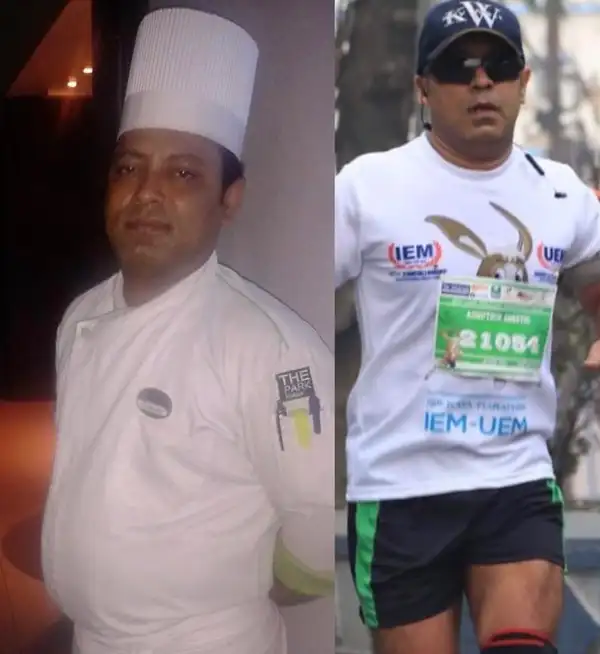
The iron from moringa is equally specific to marathon running. Runners lose iron through foot-strike haemolysis — the mechanical destruction of red blood cells when feet repeatedly impact the ground. Long runs at high weekly volume create meaningful iron loss that must be replaced daily. Moringa’s exceptional iron content provides this daily replacement from a whole-food source that I consume every morning regardless of whether I am running that day.
Furthermore, the turmeric curcumin in Sheer MADness Plant Protein Moringa reduces the inflammatory pain of DOMS that affects post-long-run mornings. The 2015 European Journal of Applied Physiology RCT on curcumin and DOMS specifically measured the effects most relevant to marathon training — soreness at 24, 48, and 72 hours post-exercise. Curcumin’s significant reduction in all three time points means that the morning after a 32-kilometre run, I experience less soreness and can complete the recovery run that maintains training continuity.
This is the practical application of moringa’s endurance science — not abstract performance claims but the specific daily management of iron, antioxidant capacity, inflammation, and recovery that marathon training demands over a 16 to 24-week preparation block.
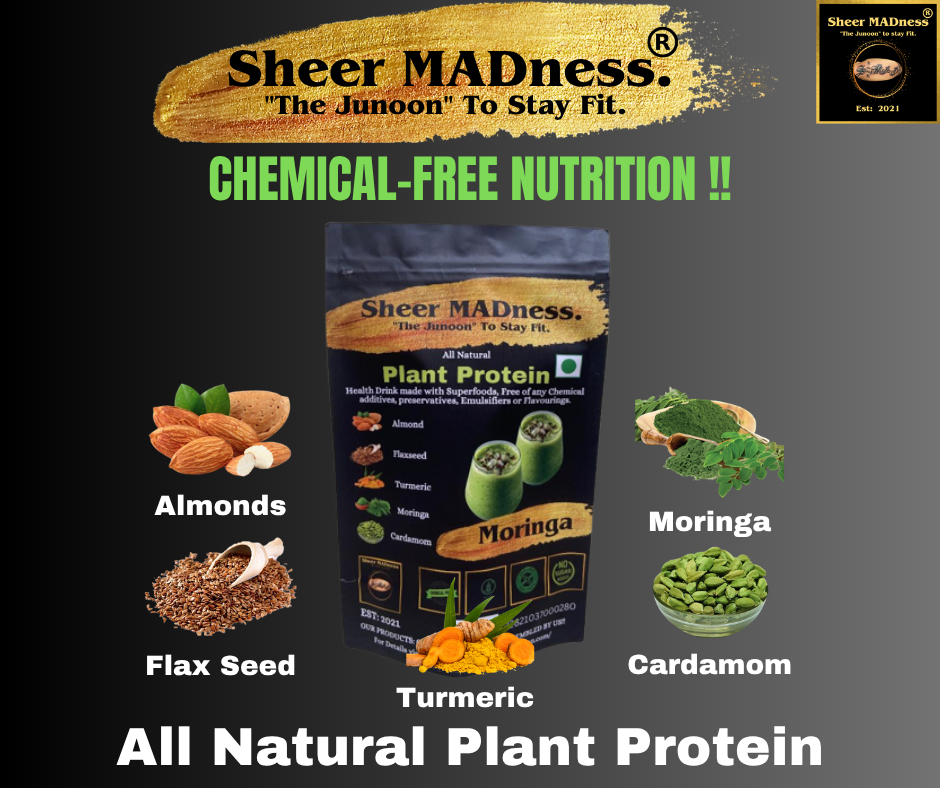
The flaxseed in Sheer MADness Plant Protein Moringa provides ALA omega-3 at approximately 22 grams per 100 grams — the richest plant source available. For endurance athletes, omega-3’s endurance relevance operates through a specific mechanism beyond general anti-inflammation.
Research in the American Journal of Clinical Nutrition confirmed that omega-3 supplementation improves oxygen delivery to working muscles through enhanced red blood cell membrane flexibility — specifically, more flexible red blood cell membranes pass more efficiently through the narrow capillaries delivering oxygen to working muscle fibres.
During maximal endurance effort, the micro-circulation to muscle depends on red blood cells navigating capillaries smaller than their own diameter. Red blood cells with more flexible membranes — enhanced by omega-3 incorporation into membrane phospholipids — navigate these capillaries more efficiently, improving micro-circulatory oxygen delivery even when haemoglobin concentration is constant.
This omega-3 red blood cell membrane flexibility mechanism is specifically relevant for endurance athletes at high intensities — where micro-circulatory oxygen delivery becomes the limiting factor for sustained high-intensity aerobic performance.
B vitamins are essential cofactors for every step of aerobic ATP production — the energy system that powers 90 percent or more of a marathon runner’s energy requirements.
Riboflavin (B2) is incorporated into FAD and FMN — the electron carriers of the electron transport chain that converts NADH and FADH₂ to ATP. Without adequate riboflavin, the electron transport chain operates below capacity and aerobic ATP yield per unit of carbohydrate and fat is reduced.
Pyridoxine (B6) is a cofactor for aminotransferase enzymes that move nitrogen groups between amino acids during the conversion of muscle amino acids to gluconeogenic precursors — the backup energy system that becomes relevant in the final kilometres of a marathon when glycogen approaches depletion.
Niacin (B3 equivalent from tryptophan) is incorporated into NAD⁺ — the primary electron carrier of the Krebs cycle. Adequate NAD⁺ availability determines how efficiently the Krebs cycle generates the electron carriers that the electron transport chain converts to ATP.
Moringa leaf’s B vitamin content — B2, B6, and the tryptophan precursor for NAD⁺ — directly supports all three of these aerobic energy pathways. The cumulative daily B vitamin contribution from Sheer MADness Plant Protein Moringa maintains the cofactor availability that aerobic energy production efficiency depends on throughout a training season.
Sheer MADness Plant Protein Moringa addresses the specific physiological demands of endurance athletes through a whole-food formulation that no isolated protein product matches.
No whey protein powder provides quercetin for mitochondrial biogenesis. No pea protein isolate provides moringa’s iron for haemoglobin maintenance. Zero commercial plant protein blend provides turmeric curcumin for DOMS reduction alongside flaxseed omega-3 for membrane flexibility and PPAR-α fat oxidation support. No protein supplement preserves its Vitamin C content with vacuum packing for the consistent iron absorption enhancement that endurance athletes’ daily iron requirements demand.
The combination of five ingredients in one powder — moringa leaf, almonds, flaxseed, turmeric, cardamom — addresses endurance performance through iron, quercetin mitochondrial biogenesis, B vitamins for aerobic metabolism, antioxidant protection, curcumin anti-inflammatory recovery, omega-3 membrane flexibility, and magnesium ATP synthesis — from whole foods, with no synthetic chemical, in a single daily drink.
Furthermore, Sheer MADness Plant Protein Moringa is 100 percent dairy-free — specifically important for Indian endurance athletes for whom whey protein’s lactose creates gut disruption during training and racing. Gut function during endurance racing is critical — gastrointestinal distress is the primary cause of DNF (Did Not Finish) in long-distance events. A dairy-free, naturally sweetened, whole-food powder produces no gut disruption — allowing the athlete to focus on performance rather than gastrointestinal management.
Mix two tablespoons of Sheer MADness Plant Protein Moringa in 250ml of warm water or plant milk 45 to 60 minutes before training. This pre-loads quercetin antioxidant capacity before the training-generated free radical surge, provides B vitamins for aerobic energy cofactor support, and begins iron delivery for haemoglobin replenishment.
Mix two to three tablespoons in warm milk or water within 30 minutes of completing training. Post-training is the most critical window for iron replenishment after foot-strike haemolysis losses in runners, for curcumin-mediated DOMS reduction, and for flaxseed omega-3’s initiation of the anti-inflammatory recovery process.
Athletes training twice daily — morning and afternoon sessions — benefit specifically from morning Sheer MADness Plant Protein Moringa consumption before the first session. The iron, quercetin, B vitamins, and magnesium loaded in the morning are available throughout both training sessions and the recovery window between them.
In the week before a target endurance event, daily moringa consumption maintains the antioxidant status and iron levels that race day performance depends on. Reduce to one tablespoon if gastrointestinal sensitivity increases with pre-race dietary changes.
Distance runners — for whom foot-strike haemolysis iron loss, high weekly mileage oxidative stress, and DOMS from long runs specifically benefit from moringa’s iron, quercetin antioxidants, and turmeric curcumin.
Cyclists — for whom sustained aerobic effort at high cadences creates the mitochondrial demand that quercetin’s PGC-1α activation specifically supports.
Trekkers and hikers — for whom multi-day sustained physical effort in challenging terrain creates the cumulative fatigue and oxidative stress burden that moringa’s antioxidants and B vitamins address.
Vegetarian Indian athletes — for whom plant-based iron from moringa addresses the haemoglobin maintenance challenge that vegetarian diets without red meat face specifically in the context of high endurance training volumes.
Women endurance athletes — for whom the combination of menstrual iron loss and training-related iron demands creates the highest iron replacement requirement of any athletic population. Moringa’s iron and Vitamin C — preserved by vacuum packing — addresses this combined iron demand specifically.
Sheer MADness holds a registered trademark under the Government of India. The Natural Plant Protein formula is patent published under Patent No. 202331036733, searchable on Intellectual Property India. The brand holds a valid FSSAI licence and GSTIN registration.
| Endurance Mechanism | Nutrient | Source | Specific Benefit |
|---|---|---|---|
| Haemoglobin production (VO2max support) | Iron — 28mg/100g | Moringa leaf | Oxygen delivery to working muscles |
| Non-haem iron absorption enhancement | Vitamin C | Moringa leaf | 2-4x absorption increase with co-present Vitamin C |
| Mitochondrial biogenesis (PGC-1α) | Quercetin | Moringa leaf — 50-60mg/100g | Increases aerobic capacity ceiling |
| Exercise oxidative stress reduction | Quercetin, kaempferol, chlorogenic acid | Moringa leaf | Protects mitochondria during sustained exercise |
| Aerobic ATP production (Krebs cycle) | Riboflavin, B6, niacin precursor | Moringa leaf | Cofactor support for all aerobic energy pathways |
| DOMS reduction (24-72 hour soreness) | Curcumin | Turmeric | Enables training continuity between sessions |
| Red blood cell membrane flexibility | Omega-3 ALA | Flaxseed | Improves micro-circulatory O₂ delivery |
| Fat oxidation efficiency (glycogen sparing) | Omega-3 ALA | Flaxseed | PPAR-α activation — fat fuel use at submaximal intensities |
| ATP synthesis efficiency | Magnesium — 270mg/100g | Almonds | ATPase enzyme cofactor support |
| Lactate clearance support | Magnesium | Almonds + moringa | Mitochondrial efficiency at lactate threshold |
How does moringa support athletic endurance specifically?
Moringa supports endurance through five documented mechanisms: iron for haemoglobin and VO2max, quercetin for mitochondrial biogenesis via PGC-1α activation, antioxidants for protection against sustained exercise free radical damage, B vitamins for aerobic ATP production efficiency, and anti-inflammatory compounds for recovery between training sessions. Sheer MADness Plant Protein Moringa adds flaxseed omega-3 for red blood cell membrane flexibility and fat oxidation support, and almond magnesium for ATP synthesis and lactate clearance efficiency.
Is moringa good for distance runners?
Yes — specifically. Runners lose iron through foot-strike haemolysis — the mechanical destruction of red blood cells with foot impact. High weekly mileage creates significant oxidative stress accumulation. Long training runs produce significant DOMS that affects training continuity. Moringa’s iron, quercetin antioxidants, and the turmeric curcumin in Sheer MADness Plant Protein Moringa address all three of the most runner-specific nutritional challenges.
Quercetin activates the PGC-1α pathway that drives mitochondrial biogenesis — the creation of new mitochondria in muscle cells. More mitochondria increase aerobic ATP production capacity, raise the lactate threshold, and improve VO2max ceiling. A meta-analysis in the International Journal of Sport Nutrition and Exercise Metabolism found quercetin improved VO2max by approximately 3.9 percent and endurance performance time by approximately 2.82 percent across multiple studies.
Can moringa replace sports supplements for endurance athletes?
Moringa is a whole-food supplement providing endurance-relevant nutrition — not a pharmaceutical ergogenic. It complements carbohydrate nutrition, electrolyte strategy, and training programme design. It specifically replaces isolated protein supplements that provide no antioxidant, iron, or B vitamin endurance support alongside their protein.
Is Sheer MADness Plant Protein Moringa suitable for marathon training?
Yes — specifically designed for sustained endurance training demands. It is the daily nutritional product I use personally throughout marathon preparation blocks. Its iron, quercetin, B vitamins, curcumin, omega-3, and magnesium address the specific nutritional requirements of high-volume distance running in a single daily whole-food drink.
Does moringa help with VO2max?
Moringa supports two VO2max-relevant mechanisms: iron-based haemoglobin maintenance for oxygen delivery capacity, and quercetin-mediated PGC-1α activation for mitochondrial biogenesis that improves the muscles’ oxygen utilisation capacity. Both are genuine and documented mechanisms. VO2max improvements from quercetin in controlled studies have ranged from 2 to 5 percent — modest but meaningful at competitive endurance performance levels.
Yes — completely. Moringa leaf powder, almonds, flaxseed, turmeric, and cardamom are all plant-based with no animal-derived ingredient. Specifically important for endurance athletes who experience gut distress from dairy-derived whey protein — moringa delivers complete plant protein without any lactose, dairy, or animal product.
How long before a long training run should I take moringa?
Take two tablespoons in warm water or plant milk 45 to 60 minutes before a long run. This pre-loads the quercetin antioxidant capacity before the peak free radical generation of sustained exercise, provides B vitamin cofactors for aerobic energy metabolism, and initiates the turmeric curcumin anti-inflammatory support that will be needed in recovery. Post-run, consume another two to three tablespoons within 30 minutes for iron replenishment and curcumin DOMS reduction.

Moringa is one of the most specifically aligned nutritional foods available for endurance athletes — not because of marketing claims or generic “superfood” appeal, but because its specific nutrient profile addresses the specific physiological demands of sustained aerobic exercise.
Iron for haemoglobin maintenance at the VO2max level. Quercetin for mitochondrial biogenesis that raises the aerobic capacity ceiling. B vitamins for the Krebs cycle and electron transport chain cofactor support that determines aerobic ATP efficiency. Antioxidants for the free radical protection that high-volume training demands. Curcumin for the DOMS reduction that training continuity requires. Omega-3 for red blood cell membrane flexibility and fat oxidation efficiency. Magnesium for ATP synthesis and lactate threshold support.
Seven specific endurance mechanisms from five whole-food ingredients. In one daily drink. That Indian athletes and marathon runners have been preparing versions of for centuries — Doodh Badam Haldi — now in a form that takes 60 seconds to prepare.
Since 2021, every ingredient is on the front of the pack. The endurance science is in the ingredients. And the marathon runner who formulated it eats it before every long run.
I would also request you to please read my previous post: Benefits of Moringa Plant protein, the versatile Superfood powerhouse.
a) Everyone is an individual, so what suits me may not suit the next person.
b) If a person has a medical condition, a doctor’s advice and prescribed medication will only help.
c) While buying any protein powder from the market, read the labels carefully. Watch out for INS codes, Anti-caking agent, INS 551 (Silicon dioxide), BHA (Butylated hydroxyanisole), BHT (Butylated hydroxytoluene), and other lab-made chemicals. An endurance athlete who carefully manages every aspect of training quality should be equally careful about what chemicals their daily nutrition exposes them to.
If you are interested in buying chemical-free Natural Plant Protein Moringa, Health Drinks for Kids, or our delicious chemical-free Energy Bars, Protein Bars, and Millet Bars, shop at Sheer MADness.
You can also find us on Flipkart, Jio Mart, or ONDC in India.
d) Exercise is the key to fitness. Exercise and nutrition are two sides of the same coin and always go hand in hand.
e) Excess of anything is wrong, even the best whole-food superfood. Consume only recommended quantities.
f) Rome was not built in a day. Discipline and consistency are the only keys to lasting health.
g) It is not only exercise and protein that builds health. A healthy gut, macro and micronutrients, body type, rest, and lifestyle all matter. Of all these, exercise and nutrition are within our control. Focus on these two primary aspects first.
h) The most important part of fitness is that nothing is better than exercise and a balanced meal.
Article by Chef Ashutosh Awasthi
Disclaimer: Our products are a source of HEALTHY NUTRIENTS and are COMPLETELY FREE OF ANY ADDED CHEMICALS. We do not claim to cure any medical condition. The content provided is informational. We do not claim to diagnose or treat a person with any specific medical condition.